Where is the Bolaven Plateau and what makes its coffee culture unique? — Origins, climate, and the people behind the beans
- Where is the Bolaven Plateau and what makes its coffee culture unique? — Origins, climate, and the people behind the beans
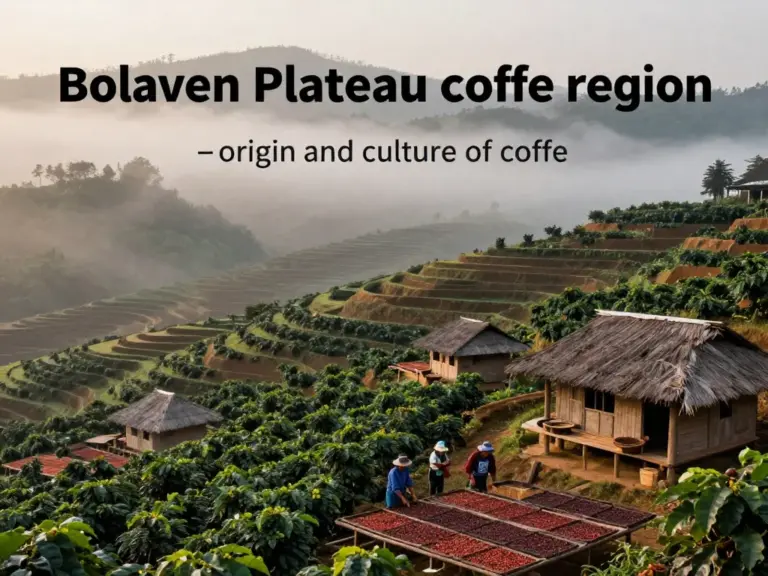
Nestled in the southern reaches of Laos, the Bolaven Plateau is a lush, elevated region that feels worlds away from the humid lowlands of the Mekong River. Known as the ‘coffee capital’ of Southeast Asia, this region offers a mesmerizing blend of dramatic waterfalls, ethnic diversity, and a coffee heritage that spans over a century. For travelers and caffeine aficionados alike, understanding the Bolaven Plateau coffee culture is the key to unlocking the soul of Southern Laos.
Where is the Bolaven Plateau?
The Bolaven Plateau is located in Southern Laos, positioned between the Annamite Mountain Range to the east and the Mekong River to the west. It sits at an average elevation ranging from 1,000 to 1,350 meters above sea level. The primary gateway to this region is the city of Pakse, from which a scenic loop road leads visitors into the heart of the plateau, specifically toward the town of Paksong, which is often cited as the coldest and highest point in the country.
The Origins: A French Legacy
The story of coffee in Laos began in the early 20th century during the French colonial era. French settlers recognized the plateau’s immense agricultural potential and introduced Arabica and Robusta seedlings. While the industry faced significant setbacks during the Indochina wars and the ‘Secret War,’ the resilience of the local farmers ensured that the coffee tradition survived. Today, the Bolaven Plateau coffee culture is a proud testament to this historical endurance, evolving from colonial plantation roots into a thriving local industry.
The Perfect Climate: Nature’s Recipe for Quality
What truly sets the Bolaven Plateau apart is its unique geography. The region is actually an ancient volcanic site, leaving behind nutrient-rich basaltic soil that provides the perfect mineral foundation for coffee trees. Combined with the high altitude, cool temperatures, and abundant rainfall, the environment allows coffee cherries to ripen slowly, concentrating sugars and developing complex flavor profiles that are difficult to replicate elsewhere in the tropics.
The People Behind the Beans: Ethnic Diversity and Community
The name ‘Bolaven’ itself refers to the Laven ethnic group, who have historically inhabited the area. However, the plateau is a mosaic of various ethnic minorities, including the Alak, Katu, and Ta Oy. These communities are the true backbone of the Bolaven Plateau coffee culture. Many families operate small-scale organic farms, practicing traditional harvesting methods passed down through generations. In recent years, the rise of cooperatives (such as the Jhai Coffee House or CPC) has empowered these farmers to focus on specialty grade beans, ensuring fair trade and sustainable practices.
- Arabica: Known for its floral notes and mild acidity, grown at higher altitudes.
- Robusta: Bold, strong, and high in caffeine, thriving in the lower plateau areas.
- Liberica: A rarer variety with a unique smoky and nutty profile.
Experience the Culture: From Crop to Cup
Tourism in the Bolaven Plateau has become synonymous with coffee workshops. Visitors can participate in ‘crop-to-cup’ tours where they learn to pick cherries, dry them in the sun, and roast them over an open fire. This immersive experience allows travelers to connect with the local way of life, understanding the labor-intensive process that goes into every bag of Lao coffee.
คำถามที่พบบ่อย (FAQ)
What is the best time to visit the Bolaven Plateau for coffee lovers?
How do I get to the Bolaven Plateau?
Is the coffee on the Bolaven Plateau organic?
What are the famous waterfalls on the plateau?
References
- Coffee Culture on the Bolaven Plateau: The Ultimate Guide to Coffee Farm Tours, Tastings, and Local Experiences
- How to plan and book a coffee farm tour on the Bolaven Plateau — best farms, tour types, seasons, and local guides
- What to expect on a tasting and processing demonstration — cupping, roast profiles, processing methods, and how to taste like a pro