How to Travel Responsibly: Ethical Tourism, Cultural Sensitivity, and Supporting Local Communities
- How to Travel Responsibly: Ethical Tourism, Cultural Sensitivity, and Supporting Local Communities
- The Foundation of Ethical Tourism in Laos
- Mastering Cultural Sensitivity: Respecting Local Traditions
- Supporting Local Communities and Economies
- Practical Tips for Responsible Travel in Laos
- คำถามที่พบบ่อย (FAQ)
- What is the most important cultural rule to remember in Laos?
- Should I give money to children begging in Laos?
- How can I ensure my accommodation choice supports the local economy?
- Are there specific dress codes for visiting temples (wats)?
Traveling is one of life’s greatest pleasures, offering us exposure to new landscapes, ideas, and cultures. Yet, the impact of tourism, particularly in developing nations like Laos, can be a double-edged sword. To ensure your journey contributes positively and respectfully, it is crucial to embrace the principles of ethical tourism. This guide focuses on how to engage in responsible travel in Laos, mastering cultural sensitivity, and directly supporting the local communities that make this beautiful country so unique.
Why Laos Needs Responsible Tourism
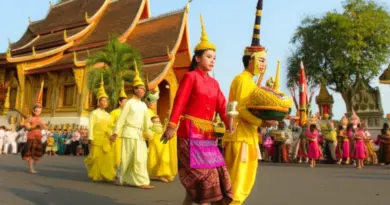
Laos, the ‘Land of a Million Elephants,’ is renowned for its tranquil Buddhist culture, stunning natural landscapes, and warm hospitality. However, its economic reliance on tourism makes it vulnerable. Your choices as a traveler directly influence environmental preservation, heritage protection, and the livelihoods of the Lao people.
The Foundation of Ethical Tourism in Laos
Ethical tourism goes beyond simply avoiding harm; it means actively seeking ways to benefit the destination. In the context of responsible travel in Laos, this starts with understanding the country’s unique challenges and opportunities.
Understanding Lao Culture and History
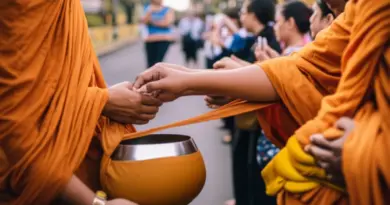
Laos holds the devastating distinction of being the most heavily bombed country per capita in history due to the Secret War. This history has left a legacy of unexploded ordnance (UXO). Traveling responsibly means supporting organizations dedicated to clearing UXO and educating yourself on the risks. Furthermore, understanding the Theravada Buddhist foundation of Lao society is key to respectful interaction. Monks hold the highest respect, and interactions must be approached with reverence.
Minimizing Environmental Footprint (Eco-tourism)
Eco-Friendly Actions
- Reduce Plastic: Laos struggles with waste management. Carry a reusable water bottle and use purification tablets or refill stations.
- Conserve Resources: Be mindful of water and electricity usage, especially in smaller guesthouses.
- Stay on Trails: When trekking, always stick to designated paths to prevent soil erosion and protect local flora and fauna.
Mastering Cultural Sensitivity: Respecting Local Traditions
Cultural sensitivity is the bedrock of ethical travel. The Lao people are gentle and forgiving, but observing simple rules shows profound respect and opens doors to genuine connection.
Dress Codes and Temple Etiquette
When visiting temples (Wats) or sacred sites, both men and women must dress modestly. This means covering shoulders and knees. Remove your shoes before entering a temple or a private home. Never point your feet at a person or a sacred object, as the feet are considered the lowest and least clean part of the body. Public displays of affection are also frowned upon.
Language and Communication
Learning a few basic Lao phrases (such as Sabaidee for hello/goodbye, and Khop jai for thank you) goes a long way. Always greet people with a smile. When interacting, remember that the head is considered sacred; never touch a Lao person’s head, even a child’s.
Photography Ethics
Always ask permission before taking a photograph, especially of monks, tribal people, or children. If you are photographing a religious ceremony or a private home, ensure your presence is not disruptive. Never pose inappropriately near Buddha statues or sacred imagery.
Supporting Local Communities and Economies
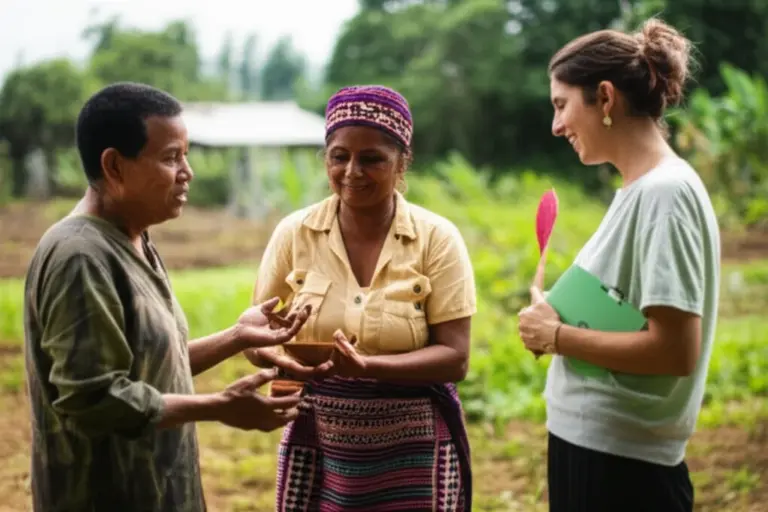
The financial choices you make determine whether your money flows into the hands of international corporations or directly supports Lao families and entrepreneurs.
Choosing Locally Owned Accommodation and Guides
Opt for locally run guesthouses, boutique hotels, and restaurants rather than large, international chains. When booking tours, seek out registered, Lao-owned guide services. This ensures that the profits remain within the country and directly benefit the people who live there.
The Ethics of Buying Souvenirs
Support fair trade and artisan cooperatives. Look for products made from sustainable materials. Crucially, avoid purchasing products made from endangered wildlife (e.g., ivory, rare wood, animal parts) or items potentially looted from historical sites. Bargaining is common in markets, but be fair and respectful; remember that a few extra Kip means much more to the vendor than to you.
Volunteering and Orphanages: A Critical Look
While intentions are often good, short-term ‘voluntourism,’ especially in orphanages, can be highly damaging. Experts advise against visiting or volunteering at orphanages unless you are a highly skilled professional committing to a long-term placement. Instead, support established, vetted NGOs that focus on education, health, and economic empowerment, thereby avoiding the ‘orphanage tourism’ cycle that can perpetuate child separation. Consider donating to recognized organizations like the Lao National Tourism Administration for vetted projects.
Practical Tips for Responsible Travel in Laos
| Focus Area | Responsible Action | Impact |
|---|---|---|
| Money | Use local banks and exchange services; avoid black markets. | Ensures fair wages and supports local financial institutions. |
| Animals | Never participate in elephant riding or activities that exploit wildlife. | Supports genuine conservation efforts and animal welfare. |
| Beggars/Children | Give donations to established charities, not directly to individuals. | Discourages begging and ensures support reaches those most in need sustainably. |
| Alms Giving (Tak Bat) | Observe respectfully from a distance. If participating, purchase food locally and follow strict etiquette guidelines. | Maintains the dignity and sacred nature of the tradition. |
Embracing responsible travel in Laos is a commitment to seeing the country thrive. By choosing ethical operators, respecting the rich cultural tapestry, and minimizing your environmental footprint, you transform your vacation into a force for good. Your journey becomes not just a memorable experience for you, but a sustainable benefit for the Lao people.
คำถามที่พบบ่อย (FAQ)
References
- Lao National Tourism Administration (Official Site)
- Responsible Travel Guidelines
- UXO Lao Information Center