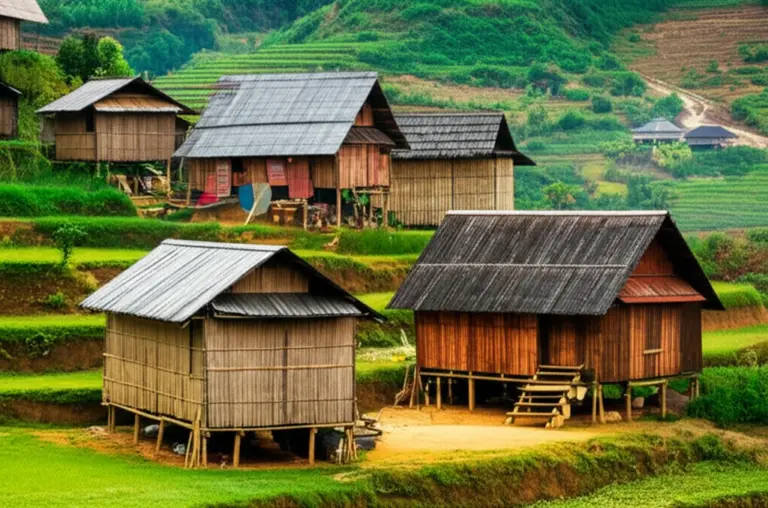
Where to Visit: Best Hill Tribe Villages and Regions in Laos for Authentic Cultural Experiences
- Where to Visit: Best Hill Tribe Villages and Regions in Laos for Authentic Cultural Experiences
Laos, often called the ‘Land of a Million Elephants,’ is also a land of millions of cultures. Home to over 160 distinct ethnic groups, the journey into its remote highlands offers unparalleled opportunities for authentic cultural immersion. If you are planning your trip, finding the Best Hill Tribe Villages and Regions in Laos is essential for a truly meaningful experience. This guide provides expert insights into the regions where you can respectfully engage with the Akha, Hmong, Khmu, and other communities, ensuring your visit contributes positively to sustainable tourism.
Northern Laos: The Cradle of Ethnic Diversity
Northern Laos remains the heartland of ethnic minority habitation. Due to rugged terrain and historically limited infrastructure, these regions have maintained their traditional way of life with minimal external influence. Visitors here should be prepared for basic accommodation but will be rewarded with profound cultural encounters.
Phongsali Province: Home of the Akha and Yao
Phongsali, bordering China and Vietnam, is famous for its tea plantations and diverse population, particularly the Akha and the Yao (Mien). The Akha are renowned for their distinctive, elaborate silver headdresses and strict adherence to their ancestral ‘Akha Zang’ laws. Trekking tours originating from Phongsali town often include overnight stays in traditional Akha villages, providing direct access to their unique customs and architecture, such as the iconic spirit gates.
Oudomxay (Muang Xai): Gateway to the Khmu Communities
Oudomxay serves as a major transport hub and an excellent starting point for exploring the Khmu and Hmong villages of the region. The Khmu, who are one of the largest ethnic groups in Laos, traditionally live closer to the valley floors and practice swidden agriculture. Community-Based Tourism (CBT) projects are particularly strong here, allowing visitors to participate in rice planting, weaving, and cooking classes, ensuring that your travel dollars directly support the local economy.
Central and Northeastern Laos: Accessible Cultural Experiences
While perhaps more frequently visited, the areas surrounding Luang Prabang and the Plain of Jars still offer profound cultural interactions, often with the benefit of slightly better infrastructure and organized tour options, making them popular choices when seeking the Best Hill Tribe Villages and Regions in Laos.
Luang Prabang Region: Sustainable Khmu and Hmong Projects
Luang Prabang, a UNESCO World Heritage site, is surrounded by accessible villages. While some villages near major tourist sites like Kuang Si Falls can feel commercialized, many responsible tour operators facilitate genuine homestays and trekking experiences deep within the surrounding hills, focusing on the Khmu and Hmong groups. Look for certified ethical tourism organizations that prioritize cultural exchange over simple observation.
Xieng Khouang (Plain of Jars): Historical Significance and Hmong Presence
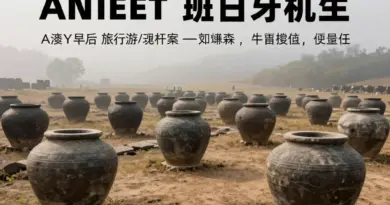
Xieng Khouang, home to the mysterious Plain of Jars, has a substantial Hmong population. The Hmong, known for their vibrant textiles, silver jewelry, and independent spirit, inhabit the higher mountain regions. Visits here often combine historical exploration (due to the region’s heavy bombing during the Secret War) with cultural visits, offering a complex view of modern Lao ethnic identity.
Southern Laos: Exploring the Mon-Khmer Groups
The provinces of Attapeu and Sekong, located in the remote southeastern corner of Laos, offer a completely different cultural landscape. These areas are home to numerous Mon-Khmer speaking groups, including the Laven, Alak, and Katu, who often have unique belief systems centered around animism and forest spirits.
| Region | Primary Ethnic Groups | Key Cultural Feature |
|---|---|---|
| Phongsali | Akha, Yao (Mien) | Elaborate Headdresses, Traditional Tea Culture |
| Oudomxay | Khmu, Hmong | Community-Based Tourism, Traditional Weaving |
| Sekong/Attapeu | Laven, Alak, Katu | Animist Rituals, Coffee Cultivation |
Tips for Responsible and Authentic Cultural Tourism
To ensure your visit is both respectful and beneficial, adhere to these guidelines for responsible cultural engagement:
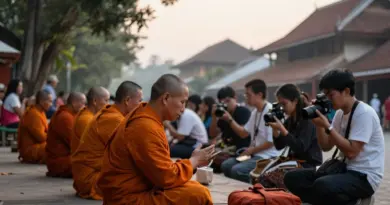
- **Ask Permission:** Always ask permission before taking photos of people, especially children or elders.
- **Gifts and Trade:** Instead of giving sweets or money, consider purchasing locally made handicrafts or bringing practical gifts like school supplies (if coordinated with a local organization).
- **Dress Modestly:** Especially when visiting temples or meeting village elders, cover your shoulders and knees.
- **Choose Ethical Operators:** Select tour companies that clearly state how revenue is distributed back to the host communities.
Exploring these regions requires patience and a willingness to step outside your comfort zone, but the rewards are immeasurable. The warmth and hospitality of the Lao people, combined with the stunning natural beauty of the highlands, create a travel experience that stands apart from typical Southeast Asian itineraries. By choosing the Best Hill Tribe Villages and Regions in Laos with sustainability in mind, you help preserve these unique cultures for generations to come. Planning ahead and perhaps utilizing the services of a local guide specializing in ethnic tourism is highly recommended for maximizing the authenticity and depth of your cultural exchange.
A Glimpse into Northern Laos Trekking
Location Reference: Oudomxay
Oudomxay (Muang Xai) is centrally located in Northern Laos, making it a critical hub for exploring the surrounding ethnic villages.
คำถามที่พบบ่อย (FAQ)
References
- Laos Official Tourism Website
- Guidelines for Ethical and Sustainable Travel
- UNESCO World Heritage Sites in Laos