Day 1 – Explore Luang Prabang’s Best Temples: Morning alms, Wat Xieng Thong, Wat Mai and cultural tips for respectful visits (temple dress code, opening hours, donation etiquette)
- Day 1 – Explore Luang Prabang’s Best Temples: Morning alms, Wat Xieng Thong, Wat Mai and cultural tips for respectful visits (temple dress code, opening hours, donation etiquette)
- The Sacred Dawn: Morning Alms Giving (Tak Bat)
- Wat Xieng Thong: The Golden City Temple
- Wat Mai Suwannaphumaham: Royal Temple Grandeur
- Essential Cultural Tips for Temple Visits
- Preparing for Your Spiritual Journey
- คำถามที่พบบ่อย (FAQ)
- What is the best time to witness the morning alms giving in Luang Prabang?
- What is the significance of Wat Xieng Thong in Luang Prabang?
- Are there specific dress codes for visiting temples in Luang Prabang?
- Is photography allowed during the alms giving ceremony?
- What is the typical entrance fee for temples like Wat Xieng Thong?
- References
Welcome to Luang Prabang, a UNESCO World Heritage city nestled in the heart of Laos, where spirituality and ancient traditions intertwine with breathtaking natural beauty. Your first day here promises an immersive cultural experience, inviting you to explore Luang Prabang’s best temples and witness timeless rituals. From the serene morning alms ceremony to the architectural splendors of Wat Xieng Thong and Wat Mai, this guide will ensure your visit is not only memorable but also deeply respectful of local customs and heritage.
The Sacred Dawn: Morning Alms Giving (Tak Bat)
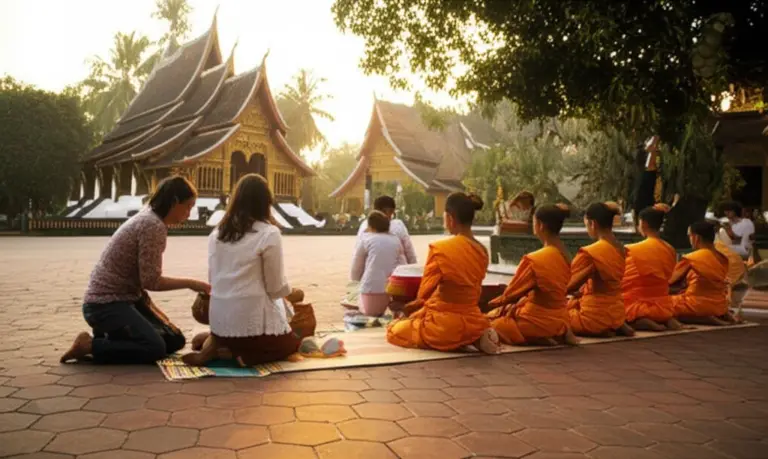
Your Day 1 in Luang Prabang begins before sunrise, with the ethereal Tak Bat, or morning alms giving ceremony. This deeply spiritual ritual sees hundreds of saffron-robed monks emerge from their temples, walking in silent procession to collect offerings of sticky rice and other food from devout locals. It’s a profound demonstration of the Buddhist principle of giving and receiving, and a cornerstone of daily life in Luang Prabang.
Participating Respectfully
While visitors are welcome to observe, participation requires adherence to strict etiquette. If you wish to offer alms, purchase sticky rice from a reputable local vendor early in the morning and take a seat on a mat provided along the main street (Sakkaline Road). Women should ensure their shoulders are covered, and legs are concealed with a traditional ‘phaa sin’ skirt or sarong. Maintain silence, avoid direct eye contact with the monks, and never touch them. This is a religious ceremony, not a tourist spectacle.
Best Viewing Spots
The main route for the procession is along Sakkaline Road, stretching from Wat Sene to Wat Xieng Thong. However, for a more intimate and less crowded experience, consider observing from a side street or a smaller temple. The ceremony typically starts around 5:30 AM to 6:30 AM, depending on the season and sunrise.
Wat Xieng Thong: The Golden City Temple
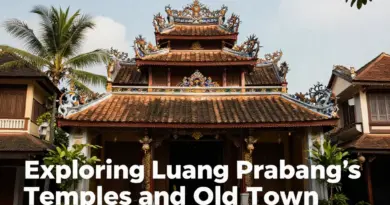
After the serene start to your day, immerse yourself in the grandeur of Wat Xieng Thong, often regarded as the most magnificent temple in Luang Prabang and a symbol of classical Laotian temple architecture. Built in 1560 by King Setthathirath, its sweeping low-slung roofs, intricate mosaics, and golden stenciling are a testament to the city’s rich artistic and religious heritage. It served as the royal temple for centuries, a place for king coronations and important annual festivals.
Architectural Marvels
The Sim (ordination hall) with its multi-tiered roof, reaching almost to the ground, is the temple’s most striking feature. Don’t miss the ‘tree of life’ mosaic on the rear exterior wall, depicting a vibrant scene of local life and Buddhist teachings. Inside, admire the gilded columns, Buddha images, and elaborate carvings. The various smaller chapels and stupas within the complex each hold unique artistic and historical value.
Historical Significance
Unlike many other temples in the region, Wat Xieng Thong was spared from destruction during various invasions, preserving its original beauty. It remains a vital center for Buddhist learning and a repository of traditional Lao art. Spending time here allows you to truly explore Luang Prabang’s best temples and their profound historical narratives.
Wat Mai Suwannaphumaham: Royal Temple Grandeur
Just a short walk from the Royal Palace Museum, Wat Mai Suwannaphumaham (often simply called Wat Mai) stands as another magnificent example of Luang Prabang’s rich temple heritage. Built in the late 18th century and largely rebuilt in the early 19th, it served as the temple for the Lao Royal Family until 1975 and housed the revered Phra Bang Buddha image before it was moved to the Royal Palace Museum.
The Ordination Hall
The most striking feature of Wat Mai is its five-tiered roof and the stunning golden bas-reliefs that adorn the front façade. These intricate carvings depict scenes from the Vessantara Jataka, the story of the Buddha’s penultimate rebirth, and other episodes from the Ramayana. The interior is equally impressive, with richly decorated columns and a large Buddha statue.
Annual Pi Mai Celebrations
Wat Mai plays a central role during the Lao New Year (Pi Mai) celebrations in April. During this time, the Phra Bang image is ceremoniously brought from the Royal Palace Museum to Wat Mai for a three-day public bathing ritual, symbolizing purification and renewal. It’s a vibrant and joyous occasion, showcasing the deep cultural significance of this temple.
Essential Cultural Tips for Temple Visits
To ensure your visits are respectful and enjoyable, here are crucial cultural tips:
Dress Code Etiquette
Opening Hours and Best Times to Visit
| Temple | Typical Opening Hours | Best Time to Visit |
|---|---|---|
| Wat Xieng Thong | 8:00 AM – 5:00 PM | Early morning or late afternoon for cooler temperatures and fewer crowds. |
| Wat Mai Suwannaphumaham | 8:00 AM – 5:00 PM | Mid-morning or late afternoon. |
Always check locally for any changes to opening hours, especially during public holidays or special events.
Donation Etiquette
While there’s often a small entrance fee for major temples like Wat Xieng Thong, additional donations are always appreciated. These contributions help with the upkeep and preservation of these invaluable cultural sites. Place donations respectfully in designated boxes.
General Respectful Conduct
- When sitting, avoid pointing your feet towards Buddha images or monks. Sit with your feet tucked to the side.
- Ask for permission before taking photos of monks or local people.
- Maintain a quiet demeanor; temples are places of worship and meditation.
- Do not touch Buddha images or sacred objects without explicit permission.
Preparing for Your Spiritual Journey
Your first day exploring Luang Prabang’s spiritual heartland is an unforgettable introduction to Laos’s profound cultural depth. By understanding and respecting local traditions, you contribute to the preservation of this unique heritage. Remember to carry a light scarf or sarong, stay hydrated, and allow yourself to be captivated by the serene beauty and ancient wisdom that permeates every corner of this enchanting city. These experiences will undoubtedly enrich your journey as you continue to explore Luang Prabang’s best temples and beyond.
คำถามที่พบบ่อย (FAQ)
What is the best time to witness the morning alms giving in Luang Prabang?
The morning alms ceremony typically begins between 5:30 AM and 6:30 AM, depending on the season and sunrise. It’s best to arrive at least 15-20 minutes beforehand to find a good, respectful viewing spot.
What is the significance of Wat Xieng Thong in Luang Prabang?
Wat Xieng Thong is considered the most important and historically significant temple in Luang Prabang. It served as the royal temple, a site for coronations, and is a masterpiece of classical Laotian temple architecture, renowned for its intricate mosaics and low-sweeping roofs.
Are there specific dress codes for visiting temples in Luang Prabang?
Yes, strict dress codes apply. Both men and women must cover their shoulders and knees. This means no sleeveless tops, short shorts, or skirts. It’s also customary to remove your shoes before entering the main ordination hall or any sacred areas.
Is photography allowed during the alms giving ceremony?
While photography is generally allowed, it must be done from a respectful distance without interfering with the ceremony or using flash. Avoid getting too close to the monks or local participants, and never pose for selfies during this sacred event.
What is the typical entrance fee for temples like Wat Xieng Thong?
Major temples like Wat Xieng Thong typically have a modest entrance fee, usually around 20,000-30,000 LAK (Lao Kip), which contributes to the temple’s maintenance and preservation. Wat Mai also has a similar fee. These fees are usually paid at the entrance gate.
References
- 3 Days in Luang Prabang: Ultimate 3-Day Itinerary for Temples, Waterfalls & Mount Phousi Sunset
- Day 2 – Kuang Si Waterfalls & Nature Excursions: How to get there, best time to visit, swimming spots, bear rescue center visit and packing checklist
- Day 3 – Mount Phousi Sunset, Night Market & Local Eats: Climb timing, photography spots, sunset viewing tips, Luang Prabang Night Market guide and recommended Lao dishes