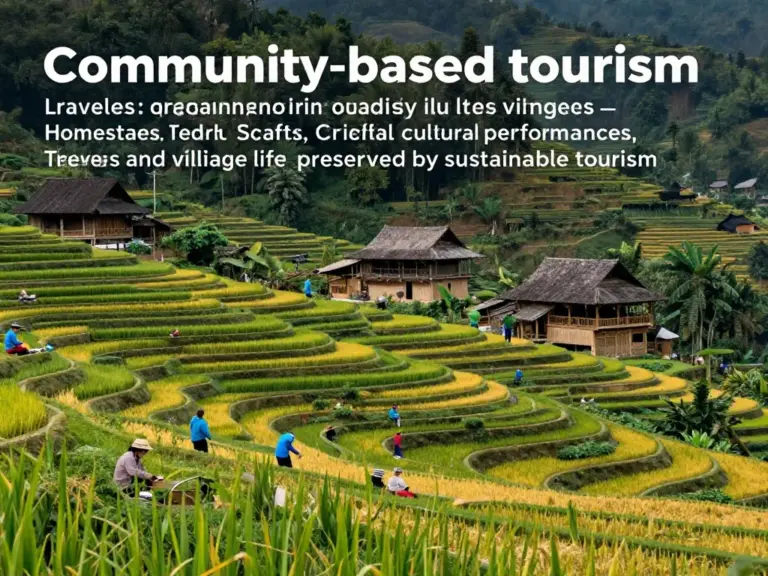
Community-Based Tourism in Laos: How Your Trip Can Support Local Villages and Preserve Culture
- Community-Based Tourism in Laos: How Your Trip Can Support Local Villages and Preserve Culture
Laos is a land of mist-covered mountains, ancient traditions, and unparalleled hospitality. As laos Tourism continues to evolve, a powerful movement known as Community-Based Tourism (CBT) is taking center stage. Unlike traditional mass tourism, CBT places local residents at the heart of the travel experience, ensuring that the economic benefits of your visit stay directly within the village. By choosing these authentic experiences, you aren’t just a spectator; you become a vital contributor to the preservation of Lao heritage and the empowerment of its people .
The Essence of Community-Based Tourism in Laos
At its core, CBT in Laos is about connection. It allows travelers to step off the beaten path and into the daily lives of ethnic groups like the Hmong, Khmu, and Akha. Instead of staying in large international hotel chains, visitors stay in locally-managed guesthouses or traditional stilt houses. This direct interaction fosters mutual respect and provides a platform for locals to showcase their unique traditions, from intricate weaving techniques to sacred spirit ceremonies.
Economic Empowerment: Where Your Money Goes
One of the most significant impacts of laos Tourism through the CBT lens is financial transparency. In a typical CBT model, a portion of the tour fee goes into a village fund. This collective pot is used for community projects such as building schools, improving water sanitation, or providing healthcare. When you hire a local guide, eat a meal prepared by a village family, or buy a handmade textile, you are providing a sustainable alternative to destructive industries like illegal logging or intensive farming.
Preserving Intangible Cultural Heritage
Globalization often threatens the survival of ancient customs. However, tourism can be a catalyst for cultural pride. In villages across Luang Namtha and Luang Prabang, the demand for authentic experiences has revitalized interest in traditional crafts and folklore. Younger generations are encouraged to learn the skills of their elders—such as natural indigo dyeing or bamboo weaving—because they see the value these skills hold for international visitors. This creates a virtuous cycle where culture is preserved through active practice rather than being relegated to a museum.
Top Destinations for Community-Based Tourism in Laos
| Region | Key Activity | Impact Area |
|---|---|---|
| Luang Namtha | Trekking & Homestays | Environmental Conservation |
| Luang Prabang | Handicraft Workshops | Cultural Preservation |
| Bolaven Plateau | Coffee Farm Tours | Economic Sustainability |
The Nam Ha National Protected Area in Luang Namtha is a pioneer in this field. Here, eco-guides lead treks that educate visitors on the local flora and fauna while staying in villages that have managed their forests for centuries. Similarly, the ‘Living Land Farm’ near Luang Prabang teaches visitors about rice cultivation, supporting a community enterprise that provides education and organic produce to the region.
How to Be a Responsible Traveler in Laos
To truly support laos Tourism and the local communities, consider the following steps:
1. Book through ethical operators: Look for agencies that have clear sustainability policies.
2. Minimize Waste: Bring a reusable water bottle; many villages have limited waste management systems.
3. Learn the Language: Even a simple ‘Sabaidee’ (Hello) goes a long way in building rapport.
4. Support Local Artisans: Purchase souvenirs directly from the makers rather than mass-produced items in city markets.
คำถามที่พบบ่อย (FAQ)
What is Community-Based Tourism (CBT)?
CBT is a form of tourism where local communities invite tourists to visit their communities with the provision of overnight accommodation. The residents manage the tourism activities and the benefits remain within the community.
Is it safe to stay in a village homestay in Laos?
Yes, village homestays are generally very safe. The communities involved in CBT programs are trained in hospitality and safety. It is a wonderful way to experience the genuine warmth of Lao people.
How does my visit help preserve Lao culture?
Your interest in local traditions provides a financial incentive for communities to maintain their customs, crafts, and languages. It shows younger generations that their heritage is valued globally.
Do I need to book CBT tours in advance?
While some can be booked on arrival in hubs like Luang Prabang, it is recommended to book in advance through reputable eco-tourism offices to ensure availability and proper preparation by the host village.
References
Lao National Tourism Administration
UNESCO Cultural Heritage Programs
- Why Community-Based Tourism Matters in Laos: Benefits for Villagers, Travelers, and Conservation
- How to Choose Ethical Community-Based Tours in Laos: Certifications, Local Partnerships, and Red Flags
- What to Expect on a Community-Based Tourism Experience: Activities, Homestays, and Cultural Exchange Etiquette