What to Expect on a Community-Based Tourism Experience: Activities, Homestays, and Cultural Exchange Etiquette
- What to Expect on a Community-Based Tourism Experience: Activities, Homestays, and Cultural Exchange Etiquette
- Authenticity in Action: Typical CBT Activities
- Living Like a Local: The Homestay Experience
- Cultural Exchange Etiquette: Essential Do’s and Don’ts
- Why Choose Community-Based Tourism?
- คำถามที่พบบ่อย (FAQ)
- What should I pack for a homestay in Laos?
- Is it safe to eat the food in a rural village?
- How do I book a Community-Based Tourism Experience?
- Will people speak English in the villages?
For the modern traveler, the allure of luxury resorts is often eclipsed by the desire for something deeper and more meaningful. In the heart of Southeast Asia, particularly within the serene landscapes of Laos, a Community-Based Tourism Experience offers a profound connection to the land and its people. Unlike conventional tours, Community-Based Tourism (CBT) is managed and owned by the community, ensuring that the benefits of your visit directly support local livelihoods and environmental conservation. This guide explores what you can truly expect when you step off the beaten path into a Lao village.
Authenticity in Action: Typical CBT Activities
When you engage in a Community-Based Tourism Experience, your itinerary isn’t dictated by a corporate office; it is shaped by the rhythms of village life. Activities are designed to be immersive, educational, and hands-on. You aren’t just a spectator; you are a participant in the daily survival and celebration of the community.
Hands-on Traditional Crafts
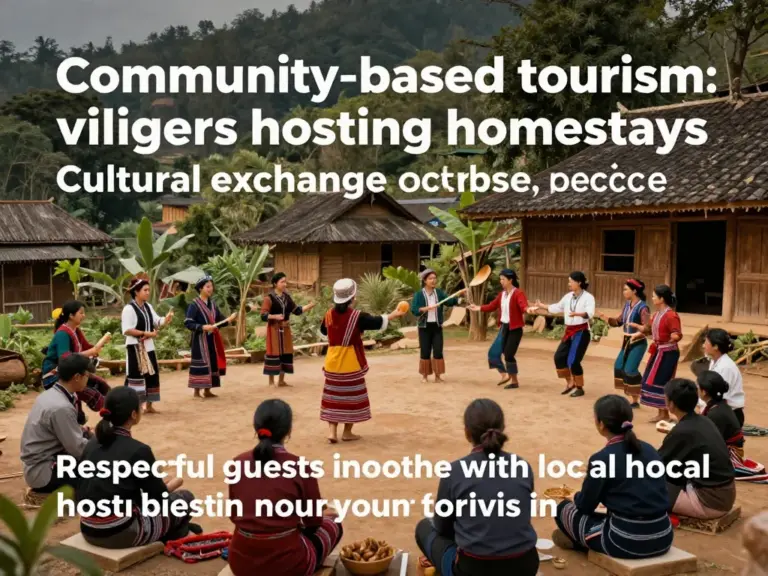
In many Lao villages, such as those inhabited by the Tai Dam or Hmong people, weaving and embroidery are vital cultural expressions. Expect to sit at a traditional wooden loom, learning how to dye silk with natural indigo or weave intricate patterns that have been passed down through generations. These sessions often involve laughter and patient guidance from local artisans who take immense pride in their craft.
Agriculture and Nature Exploration
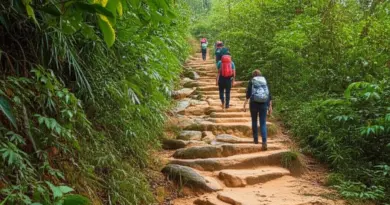
Laos is a land of mountains and rivers. Your experience might include trekking through protected forests led by local guides who know every medicinal plant and bird call. You might also find yourself knee-deep in a rice paddy, learning the grueling yet rewarding process of planting or harvesting rice. These activities provide a visceral understanding of the hard work required to sustain rural life.
Living Like a Local: The Homestay Experience
The cornerstone of any Community-Based Tourism Experience is the homestay. This is not a hotel; it is an invitation into a family’s private world. It requires an open mind and a willingness to adapt to simpler living conditions.
Accommodations and Amenities
Expect traditional Lao houses made of wood or bamboo, often raised on stilts. Sleeping arrangements usually consist of a comfortable mattress on the floor with a mosquito net. While electricity may be limited and bathrooms are often basic (squat toilets and bucket showers are common), the cleanliness and hospitality are typically exceptional. The sounds of the jungle or farm animals will be your morning alarm clock.
Dining is a communal affair. You will likely sit on a bamboo mat, sharing sticky rice, spicy jeow (dips), and fresh vegetables from the family garden. This is the best time for cultural exchange. Even with a language barrier, the act of sharing a meal fosters a sense of belonging and mutual respect.
Cultural Exchange Etiquette: Essential Do’s and Don’ts
To ensure your Community-Based Tourism Experience is positive for both you and your hosts, understanding Lao etiquette is crucial. Lao culture is deeply rooted in respect, modesty, and the concept of ‘keeping a cool heart.’
- Dress Modestly: Keep shoulders and knees covered, especially when entering religious areas or communal spaces.
- The Nop: Use the ‘Nop’ (placing palms together in a prayer-like gesture) when greeting elders or saying thank you.
- Head and Feet: Never touch someone on the head, as it is considered sacred. Conversely, do not point your feet at people or religious objects, as feet are considered the lowest part of the body.
- Public Affection: Avoid public displays of affection, which can be embarrassing for locals in rural areas.
Why Choose Community-Based Tourism?
Choosing a CBT experience helps preserve the very things that make Laos unique. It prevents the ‘commodification’ of culture, where traditions are performed only for tourists. Instead, it supports ‘living culture.’ Your financial contribution helps build schools, improve healthcare, and protect the surrounding forests from logging or poaching. It is travel with a purpose.