Top Northern Laos Trekking Routes Explained – Luang Namtha, Phongsaly, Nam Et-Phou Louey, and Muang La (Difficulty, Duration, Scenery)
- Top Northern Laos Trekking Routes Explained – Luang Namtha, Phongsaly, Nam Et-Phou Louey, and Muang La (Difficulty, Duration, Scenery)
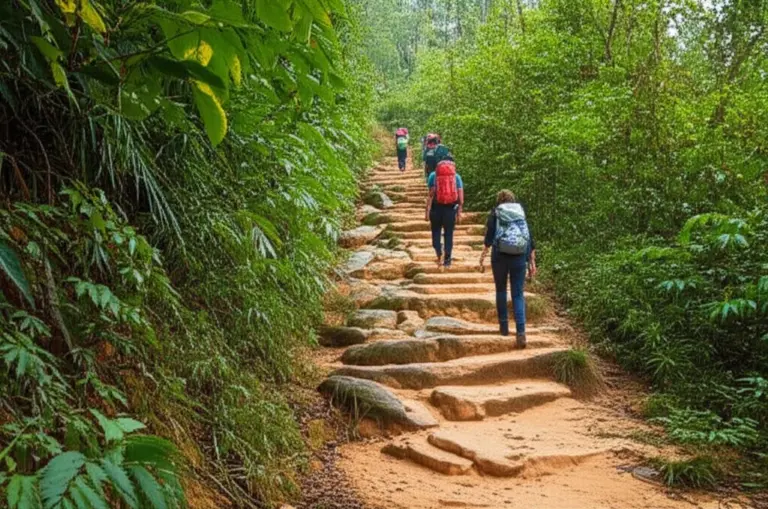
Northern Laos beckons the adventurous spirit with its untouched landscapes, vibrant ethnic cultures, and a network of challenging yet rewarding trekking trails. For those seeking an immersive experience beyond the well-trodden paths, exploring the Northern Laos trekking routes offers an unparalleled journey into pristine jungles, cloud-shrouded mountains, and remote villages. This guide delves into the distinct characteristics of key trekking regions—Luang Namtha, Phongsaly, Nam Et-Phou Louey, and Muang La—detailing their difficulty, typical duration, and the breathtaking scenery that awaits.
Why Trek in Northern Laos?
Laos, often overshadowed by its more bustling Southeast Asian neighbors, holds a quiet charm, especially in its northern reaches. Over 70% of the country is mountainous, providing a dramatic backdrop for exploration. Trekking here is not just about physical exertion; it’s a profound cultural exchange, an encounter with rare wildlife, and an opportunity to support sustainable tourism. The region’s commitment to eco-tourism means that many of these Northern Laos trekking routes directly benefit local communities, preserving their traditional ways of life and protecting the natural environment. [14]
Luang Namtha: The Gateway to Eco-Tourism
Luang Namtha, located in the northwest, is arguably the most well-known hub for eco-tourism in Laos. It serves as an excellent starting point for many Northern Laos trekking routes, particularly those within the Nam Ha National Protected Area (NPA). [14], [15]
Difficulty & Duration
Trekking options in Luang Namtha range from easy half-day walks through rice paddies to challenging multi-day jungle expeditions. Most popular treks are 1 to 3 days, often involving overnight stays in local villages. The difficulty is generally moderate, suitable for individuals with a reasonable level of fitness. [14]
Scenery & Highlights
Trekkers can expect to traverse dense primary forests, cross bamboo bridges over gurgling streams, and witness stunning panoramic views of the Nam Ha River valley. The region is home to numerous ethnic groups, including the Akha, Hmong, Khmu, and Lanten, offering unique cultural insights during village visits and homestays. Wildlife spotting, though not guaranteed, includes various bird species, monkeys, and even civets. [14]
Responsible Tourism & Local Engagement
Luang Namtha is a prime example of successful community-based tourism, where treks are often organized by local guides, ensuring that the economic benefits directly support the villages and conservation efforts. [13]
Phongsaly: Remote Highlands and Ethnic Diversity
Nestled in the far north, bordering China and Vietnam, Phongsaly province is one of Laos’s most remote and least-visited areas. It offers some of the most authentic and challenging Northern Laos trekking routes for intrepid adventurers. [14]
Difficulty & Duration
Treks in Phongsaly are generally more strenuous and longer, often spanning 3 to 5 days, due to the rugged terrain and limited infrastructure. They are best suited for experienced trekkers seeking a true wilderness experience. [16]
Scenery & Highlights
The landscape is characterized by dramatic, cloud-shrouded mountains, ancient tea plantations (some dating back 400 years), and pristine forests. Phongsaly is a melting pot of over 20 different ethnic groups, including Akha, Hmong, Tai Lue, and Khmu, each with their distinct languages, customs, and traditional attire. [14]
Cultural Immersion
Overnight stays in remote villages provide an unparalleled opportunity for cultural immersion, allowing trekkers to witness daily life, participate in local activities, and share meals with host families.
Nam Et-Phou Louey National Protected Area: Wildlife Encounters
Nam Et-Phou Louey (NEPL) NPA, located in Houaphanh and Luang Prabang provinces, is Laos’s largest protected area and a critical habitat for many endangered species. It offers unique, ethically-focused Northern Laos trekking routes centered around wildlife conservation. [16]
Difficulty & Duration
Treks here are typically 2 to 5 days, ranging from moderate to challenging, and are always guided by local experts. The focus is on low-impact, responsible tourism, with strict rules to protect the wildlife. [16]
Scenery & Highlights
The landscape is a mosaic of pristine evergreen forests, grasslands, and rugged mountains. The main draw is the opportunity for wildlife viewing, particularly during night safaris where trekkers can spot sambar deer, civets, and if extremely lucky, clouded leopards or even tigers. Camera traps capture elusive animals, contributing to conservation research.
Conservation & Night Safaris
The NEPL NPA is globally recognized for its efforts in tiger conservation. Trekkers contribute directly to these efforts, making it a highly impactful and educational adventure.
Muang La: Serene Landscapes and Hot Springs
Muang La, situated in Oudomxay province, offers a more tranquil and luxurious trekking experience compared to the rugged adventures of Phongsaly or NEPL. It’s known for its stunning riverine landscapes and natural hot springs, making it an ideal destination for those who appreciate comfort after a day of hiking. [17]
Difficulty & Duration
Treks around Muang La are typically easier to moderate, ranging from half-day walks to 2-day excursions. They are designed to be accessible to a wider range of fitness levels, focusing on scenic beauty and cultural encounters rather than extreme endurance. [17]
Scenery & Highlights
Trekkers will explore picturesque valleys, follow the banks of the Nam Pak River, and visit traditional Khamu and Hmong villages. The highlight for many is the opportunity to relax in the natural hot springs, which are believed to have therapeutic properties, providing a perfect way to soothe tired muscles after a trek.
Relaxation Post-Trek
Muang La is unique in offering high-end accommodation options that incorporate the hot springs, allowing for a truly rejuvenating experience amidst stunning natural beauty. [17]
Planning Your Northern Laos Trekking Adventure
Embarking on any of these Northern Laos trekking routes requires careful planning to ensure a safe and enjoyable journey.
Guides are Essential
For most multi-day treks, especially within protected areas, hiring a local guide is not only recommended but often mandatory. Guides provide invaluable knowledge of the terrain, local customs, and can act as interpreters, enriching your experience significantly. They also ensure your safety and adherence to local regulations. [14]
Essential Gear
Pack light but smartly. Sturdy, broken-in hiking boots, moisture-wicking clothing, rain gear (even in the dry season), insect repellent, a first-aid kit, and a water purification system are crucial. For overnight treks, a lightweight sleeping bag or liner might be useful, though homestays usually provide bedding.
Best Time to Visit
The dry season, from October to April, is generally the best time for trekking in Northern Laos, offering pleasant temperatures and lower chances of rain. However, even during this period, conditions can vary, and some rain is always possible. [15], [16]
Responsible Travel Practices
Always practice ‘leave no trace’ principles, respect local customs and traditions, and support local businesses. Engage with your guides and hosts respectfully, and be mindful of your environmental impact.
Northern Laos offers a remarkable array of trekking experiences, each with its unique flavor. Whether you seek cultural immersion, wildlife encounters, or simply the tranquility of nature, these routes provide an unforgettable adventure. Prepare to be captivated by the raw beauty and genuine warmth of this incredible region.
คำถามที่พบบ่อย (FAQ)
What is the best time of year for trekking in Northern Laos?
The best time for trekking in Northern Laos is generally during the dry season, which runs from October to April. During these months, the weather is cooler and there is less rainfall, making trails more accessible and comfortable for hiking. [15], [16]
Do I need a guide for trekking in Northern Laos?
For most multi-day treks and especially within protected areas like Nam Ha NPA or Nam Et-Phou Louey, hiring a local guide is highly recommended and often mandatory. Guides provide essential navigation, cultural interpretation, and ensure adherence to local regulations, enhancing both safety and the overall experience. [14]
What level of fitness is required for these treks?
The fitness level required varies by route. Treks in Luang Namtha and Muang La typically range from easy to moderate, suitable for individuals with a reasonable fitness level. Phongsaly and Nam Et-Phou Louey treks are generally more challenging and better suited for experienced trekkers with good physical endurance. [14], [16]
What should I pack for a trekking trip in Northern Laos?
Essential items include sturdy hiking boots, moisture-wicking clothing, rain gear, insect repellent, a basic first-aid kit, sunscreen, a hat, and a reusable water bottle (with purification tablets/filter). For overnight stays, a lightweight sleeping bag or liner may be useful. [16]
Is it safe to trek in Northern Laos?
Generally, trekking in Northern Laos is safe, especially with experienced local guides. However, it’s important to be aware of potential hazards like uneven terrain, leeches (especially in wet conditions), and unexploded ordnance in some remote areas (though guides are knowledgeable about safe paths). Always inform your embassy of your travel plans and consider travel insurance. [8]
References
- Autour Asia – Where To Trek In Laos? Top Best Trekking Routes In Laos And Hiking Tips
- BestPrice Travel – 7 Most Ideal Trekking Routes to Explore in Laos
- Where To Hike When – Hiking in Laos
- The Lavender Travelers – Northern Laos Itinerary: A Complete Guide to Offbeat Travel
- Asia Tours – Northern Laos Trekking Route
- Trekking in Northern Laos: The Best Trails, What to Expect, and How to Choose the Right Tour Operator
- Practical preparation for trekking in Northern Laos — best seasons, permits, gear, fitness level, and health precautions
- What to expect on multi-day treks — accommodation (homestays vs camps), food, local culture, and safety tips