Why Volunteer in Laos? Understanding Impact, Benefits, and Ethical Considerations for Travelers
- Why Volunteer in Laos? Understanding Impact, Benefits, and Ethical Considerations for Travelers
Laos, often referred to as the “Land of a Million Elephants,” is a country of breathtaking natural beauty and profound cultural heritage. For many travelers, simply visiting the ancient temples of Luang Prabang or the karst landscapes of Vang Vieng isn’t enough. There is a growing desire to give back. To Volunteer in Laos is to engage with the local community on a level that standard tourism rarely allows, creating a bridge between cultures while contributing to the nation’s development goals.
The Meaningful Impact of Choosing to Volunteer in Laos
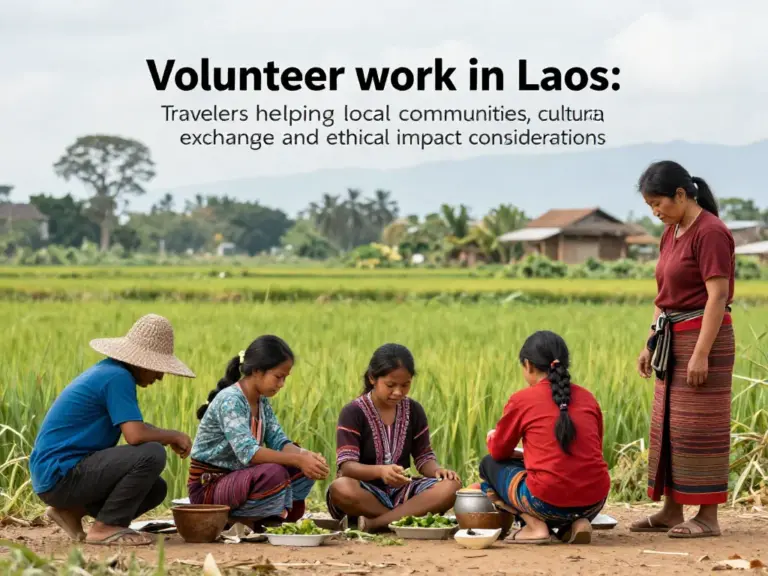
When you decide to Volunteer in Laos, your impact can be felt across various sectors. Laos remains one of the least developed countries in Southeast Asia, and while it is growing rapidly, many rural communities still face challenges regarding education, healthcare, and environmental conservation. Volunteers provide much-needed manpower and specialized skills that support local NGOs (Non-Governmental Organizations) and community-led initiatives.
The impact isn’t just about the physical work—it’s about capacity building. By working alongside Lao people, volunteers facilitate a cross-exchange of knowledge. Whether it’s helping a local teacher improve their English proficiency or assisting a farmer with sustainable agricultural techniques, the goal is long-term self-sufficiency rather than temporary aid.
Key Areas for Volunteer Involvement
There are several avenues through which travelers can contribute. Understanding these sectors helps in choosing a project that aligns with your skills and the actual needs of the country.
Education and Youth Development
English literacy is a gateway to the tourism industry and international trade for young Lao people. Volunteers often work in community centers or rural schools, assisting local teachers. This interaction helps students gain confidence in speaking and opens doors to future employment opportunities that can lift families out of poverty.
Conservation and Wildlife Protection
Laos is home to diverse ecosystems and endangered species, most notably the Asian elephant. Conservation projects focus on reforestation, sustainable land management, and protecting wildlife from poaching. Volunteers in this sector might help maintain sanctuaries or participate in environmental education programs for local villages.
Personal Benefits for the Traveler
The decision to Volunteer in Laos is not a one-way street; the personal growth experienced by the traveler is often immense. By stepping outside of the typical tourist bubble, you gain a nuanced understanding of Lao culture, traditions, and the daily realities of its people. This fosters empathy, resilience, and a global perspective that stays with you long after you return home.
- Skill Development: Enhance leadership, communication, and problem-solving skills in a foreign environment.
- Cultural Immersion: Learn the Lao language, participate in traditional Baci ceremonies, and understand the role of Buddhism in daily life.
- Networking: Meet like-minded individuals from around the world who share a passion for service.
As the popularity of volunteering grows, so does the need for ethical scrutiny. “Voluntourism”—a blend of volunteering and tourism—can sometimes do more harm than good if not managed correctly. To ensure your presence is beneficial, consider the following ethical pillars:
| Consideration | Best Practice |
|---|---|
| Sustainability | Choose projects that have a long-term plan and are led by the local community. |
| Child Protection | Avoid orphanage tourism. Support family-based care or community education instead. |
| Skill Alignment | Only perform tasks you are qualified to do in your home country (e.g., medical work). |
Ethical volunteering requires research. Look for organizations that are transparent about their finances and their impact. A truly ethical project will prioritize the needs of the Lao people over the “feel-good” experience of the volunteer.
Practical Tips for Prospective Volunteers
Before you pack your bags to Volunteer in Laos, there are administrative and cultural preparations to handle. Laos has a relaxed pace of life, known as “PDR” (Please Don’t Rush), and approaching your work with patience and humility is essential.
- Visa Requirements: Most volunteers enter on a tourist visa, but if staying long-term with an official NGO, you may require a business (NI-B2) visa. Always check with your host organization.
- Health and Safety: Ensure you are up to date on vaccinations and have comprehensive travel insurance that covers volunteer activities.
- Cultural Etiquette: Dress modestly (shoulders and knees covered), especially in schools and temples. Always ask for permission before taking photos of local people.
คำถามที่พบบ่อย (FAQ)
References
- Official Laos Tourism Board
- UNICEF Laos – Community Development
- World Volunteer Web – Ethical Guidelines
- Volunteering Opportunities in Laos: How to Give Back Responsibly During Your Travels
- How to Choose the Right Volunteer Program in Laos: Types of Projects, Reputable Organizations, and Red Flags to Watch For
- Preparing for Your Volunteer Trip: Visas, Health, Cultural Etiquette, Packing, and Funding Options for Long-term and Short-term Volunteers