What to expect on multi-day treks — accommodation (homestays vs camps), food, local culture, and safety tips
Embarking on multi-day treks in Laos offers an unparalleled opportunity to delve into the country’s breathtaking landscapes, rich cultural tapestry, and serene way of life. Far beyond the well-trodden tourist paths, these adventures lead you deep into verdant jungles, across remote mountains, and into the heart of traditional villages. This comprehensive guide will equip you with vital insights into accommodation choices, culinary experiences, engaging with local culture, and crucial safety measures, ensuring your Laotian trekking expedition is both memorable and safe.
Accommodation: Homestays vs. Camps
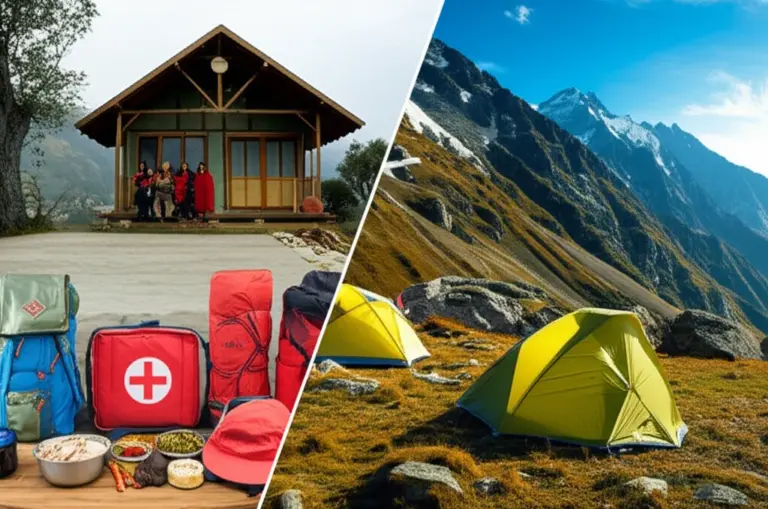
When planning your multi-day trek in Laos, one of the primary considerations will be where you lay your head at night. The two main options are village homestays and jungle camps, each offering a distinct experience.
Homestays: A Deep Dive into Local Life
Homestays provide an authentic and immersive cultural experience, allowing you to live alongside local families, typically from ethnic minority groups like the Hmong or Khmu [3, 5, 6, 7, 8, 13, 15, 17, 18]. This is often a cornerstone of community-based ecotourism in areas like Luang Prabang and Luang Namtha [3, 6].
What to Expect:
- Cultural Immersion: You’ll share meals, observe daily routines, and perhaps even participate in village activities or traditional ceremonies [5, 12, 13]. This direct interaction is invaluable for understanding local customs and ways of life [5, 6, 12].
- Basic Facilities: Expect simple accommodations, often sleeping on mats with mosquito nets in a communal area of a family home [15, 17]. Electricity might be limited or non-existent, and bathrooms are typically basic, shared, and outside [13, 17].
- Community Support: Staying in a homestay directly benefits the local community, contributing to their economy and preserving their traditions [6, 12].
Camps: Wilderness at Your Doorstep
For those seeking a more rugged experience, jungle camps offer the chance to sleep under the stars, surrounded by the sounds of nature [2, 4, 6]. These are common in national protected areas like Nam Ha [6].
What to Expect:
- Nature Immersion: Camps are typically set up in remote jungle locations, offering unparalleled access to wildlife and natural beauty [4, 6].
- Authentic Wilderness: Facilities are usually very basic, often involving tents or simple shelters, and meals cooked over an open fire [4].
- Peace and Solitude: While homestays offer social interaction, camps provide a tranquil escape, perfect for disconnecting.
Many multi-day treks in Laos combine both homestays and camps, offering a balanced experience of cultural exchange and wilderness adventure [4, 6].
Food on the Trail: A Taste of Laos
Laotian cuisine is a delightful part of the travel experience, known for its fresh ingredients, sticky rice, and bold flavors [10, 14, 16]. On a multi-day trek, your meals will often be prepared by your local guide or host families, offering an authentic taste of the region.
- Staple Foods: Expect sticky rice as a cornerstone of most meals, accompanied by various curries, stir-fries, fresh vegetables, and often grilled fish or meat [14, 16]. Ingredients are typically fresh and locally sourced [16].
- Flavors: Laotian food is characterized by herbs like lemongrass, ginger, and chili, along with fermented fish sauce (padek) [10, 14]. Don’t be afraid to try new flavors!
- Hydration: Staying hydrated is crucial. Guides typically provide bottled water, but it’s wise to carry your own refillable bottle [4, 10].
Food and Water Safety Tips:
While delicious, it’s important to be mindful of food and water safety:
- Eat Cooked Food: Opt for freshly cooked, hot meals [9, 11]. Avoid raw or undercooked meat, seafood, and eggs [9, 10, 11].
- Bottled Water: Always drink bottled or purified water. Avoid tap water and be cautious with ice, unless you’re certain of its source [9, 10, 11, 14, 16]. Many cities offer refill stations [10].
- Wash Produce: If eating raw fruits or vegetables, ensure they are thoroughly washed or peel them yourself [10, 11].
Engaging with Local Culture
The opportunity for cultural immersion is arguably the most rewarding aspect of multi-day treks in Laos. The country is home to diverse ethnic groups, each with unique traditions and languages [6, 12, 18].
Respectful Interactions:
Laotians are known for their hospitality, and showing respect for their customs goes a long way [9, 11, 16].
- Modesty: Dress modestly, especially when visiting temples, religious sites, or rural villages. Cover your shoulders and knees [9, 11, 14].
- Shoes Off: Always remove your shoes before entering a temple or someone’s home [9, 11, 14].
- Body Language: Avoid touching anyone’s head (considered sacred) or pointing your feet at people or Buddha images (considered disrespectful) [9, 11, 14]. Overt public displays of affection are also frowned upon [14, 16].
- Photography: Always ask permission before taking photos of people, particularly in remote villages [14].
Many treks, especially those with homestays, are designed to facilitate genuine cultural exchange. Your guide will often act as a translator and cultural bridge, helping you understand and appreciate the local way of life. The video below showcases the authentic village life and cultural interactions you can experience on a multi-day trek in Northern Laos.
Essential Safety Tips for Trekkers
While Laos is generally a safe country for tourists, preparedness is key, especially when venturing into remote areas. Following these safety tips will help ensure a smooth and enjoyable trek.
| Category | Safety Advice |
|---|---|
| Guidance | Always trek with a reputable local guide [6, 9, 14]. They have in-depth knowledge of the terrain, local communities, and potential hazards [3, 6]. Never wander off marked trails, especially in jungle areas [10, 16]. |
| Health | Consult a healthcare provider before your trip for recommended vaccinations (e.g., Hepatitis A/B, Typhoid, Tetanus, Rabies) and malaria prophylaxis [9, 10, 11, 16]. Carry a comprehensive first-aid kit, personal medications, and insect repellent [6, 9, 10]. Stay hydrated and protect yourself from the sun [9, 16]. |
| UXO Awareness | Unexploded Ordnance (UXO) from past conflicts remains a concern in some rural and border areas [9, 10, 11, 16]. Stick to well-established tracks and never touch unfamiliar objects [10, 16]. |
| Valuables | Keep your passport and valuables secure, ideally in a concealed money belt [11, 16]. Carry photocopies of important documents. Only carry necessary cash and be discreet [11]. |
| Communication | Inform someone of your travel plans and expected return [9]. While remote, a fully charged phone can be useful for emergencies, though signal may be limited. |
Many trekking companies in Laos prioritize responsible tourism, ensuring that treks are sustainable and benefit local communities. This often includes employing local guides and channeling a portion of the fees back into the villages and conservation efforts [6, 12].
คำถามที่พบบ่อย (FAQ)
What is the best time of year for multi-day treks in Laos?
The best time for trekking in Laos is generally during the dry season, from November to March. The weather is cooler, and trails are easier to navigate, reducing the risk of muddy or slippery conditions [6].
Do I need a high level of fitness for multi-day treks in Laos?
While some treks are rated moderate, a reasonable level of fitness and stamina is recommended, as you’ll be walking for several hours each day, often on uneven terrain [4, 6, 12]. Some trails can be steep and challenging [2, 7].
What should I pack for a multi-day trek in Laos?
Essential items include good hiking boots, comfortable and lightweight clothing, a rain jacket (especially during the wet season), insect repellent, sunscreen, a hat, a water bottle, and a headlamp/torch [6]. For homestays, consider a light sleeping bag liner. Modest clothing for cultural sensitivity is also important [9, 11].
Is it safe to drink alcohol during multi-day treks in Laos?
While local communities may offer traditional drinks, it’s generally advisable to exercise moderation, especially in remote areas. Avoid getting drunk in public, as it’s considered poor manners and can compromise your safety [16].
How can I minimize my environmental impact during a trek?
Practice Leave No Trace principles: carry out all your trash, stay on marked trails, respect wildlife, and minimize your use of single-use plastics by using a refillable water bottle [10]. Support tour operators committed to sustainable and responsible tourism [6].
References
- [2] Nong Khiaw 2‑Day Adventure Best Hikes In Laos – YouTube. youtube.com/watch?v=jVVCPgpnaX4
- [3] Trekking & Homestay – Manifa Travel, Luang Prabang, Laos Tour Company. manifatravel.com/trekking-homestay/
- [4] Wild Thrill Trails Camping & Homestay – Discover Laos. discoverlaos.today/tour/wild-thrill-trails-camping-homestay
- [5] 3 Day Trekking Homestay to Remote Hmong and Khmu Villages in Luang Prabang (3D2N). manifatravel.com/trip/3-day-trekking-homestay-to-remote-hmong-and-khmu-villages-in-luang-prabang-m3/
- [6] 3 Day Tours – Eco Voyage Laos. ecovoyagelaos.com/3-day-tours/
- [7] My Solo Trip in Northern Laos | 4 Day Jungle Trek – YouTube. youtube.com/watch?v=Q1sfmgDePOk
- [8] 2 Day Village Trek in Nong Khiaw || Laos Travel Vlog #4 – YouTube. youtube.com/watch?v=c1szDju_qKU
- [9] Safety Tips for Travelers to Laos. lao-evisa.com/safety-tips-for-travelers-to-laos/
- [10] Expert Tips for Staying Safe in Laos – Discover Laos. discoverlaos.today/post/staying-safe-in-laos
- [11] Staying Safe in Laos: Essential Travel Tips – Offvisa.com. offvisa.com/en/news/staying-safe-in-laos-essential-travel-tips
- [12] Hiking In Laos [Exploring The Soum Son Trail] – YouTube. youtube.com/watch?v=i1J5BeOQB6w
- [13] 3 day trek with homestay in the jungle around Luang Prabang – Luangprabang-laos.com. luangprabang-laos.com/3-day-Jungle-trek-close-to-Luang-Prabang
- [14] Laos Travel Tips: Avoid These Mistakes – Exotic Voyages. exoticvoyages.com/blog/laos-travel-tips-avoid-these-mistakes-35677.html
- [15] Authentic Overnight Village Trek | Luang Prabang, Laos – YouTube. youtube.com/watch?v=D7IqzsrBGvo
- [16] Laos travel advice – Responsible Travel. responsibletravel.com/holidays/laos/travel-guide/laos-travel-advice
- [17] Luang Namtha Jungle Trek, Laos – Crazy views and sleep in ethnic village – YouTube. youtube.com/watch?v=23uRk2GkGTw
- [18] LAOS TRAVEL (2024) | 10 Beautiful Places To Visit In Laos – YouTube. youtube.com/watch?v=BuE78EiOGkk
- Trekking in Northern Laos: The Best Trails, What to Expect, and How to Choose the Right Tour Operator
- Top Northern Laos Trekking Routes Explained – Luang Namtha, Phongsaly, Nam Et-Phou Louey, and Muang La (Difficulty, Duration, Scenery)
- Practical preparation for trekking in Northern Laos — best seasons, permits, gear, fitness level, and health precautions