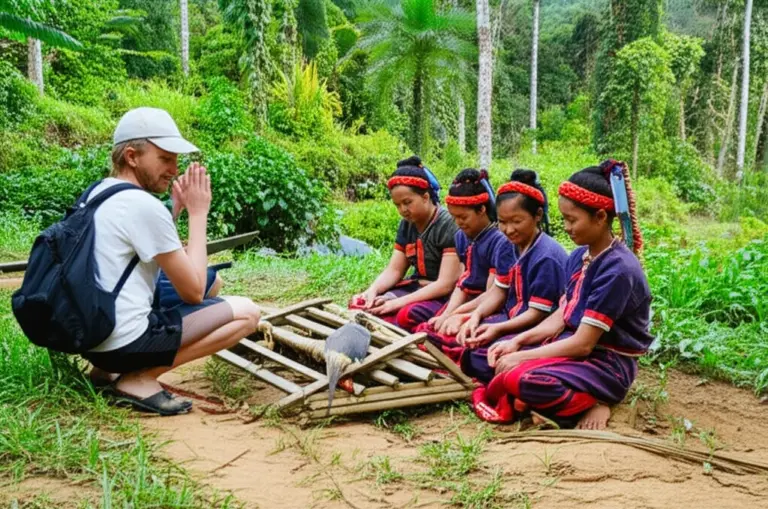
A Guide to Ecotourism in Laos: How to Travel Responsibly
- A Guide to Ecotourism in Laos: How to Travel Responsibly
Laos, often called the ‘Land of a Million Elephants,’ is a Southeast Asian gem renowned for its serene landscapes, ancient temples, and a culture deeply rooted in Buddhist traditions. As more travelers seek authentic and impactful experiences, ecotourism in Laos is emerging as a vital way to explore its wonders responsibly. This guide will delve into how you can make your journey to Laos not just memorable, but also beneficial for its people and pristine environment.
What is Ecotourism and Why is it Important in Laos?
Ecotourism is a form of tourism involving responsible travel to natural areas that conserves the environment, sustains the well-being of the local people, and involves interpretation and education. In a developing country like Laos, where natural resources are abundant but vulnerable, and many communities rely on traditional livelihoods, ecotourism offers a sustainable path for growth. It helps protect biodiversity, supports local economies, and preserves cultural heritage from the pressures of mass tourism.
The Fragile Beauty of Laos
Laos boasts an incredible diversity of ecosystems, from the mighty Mekong River and its tributaries to dense jungles, limestone karsts, and an array of unique wildlife. However, these natural treasures are susceptible to deforestation, illegal wildlife trade, and pollution. Responsible ecotourism practices are crucial to mitigating these threats and ensuring that future generations can also experience Laos’s untouched beauty.
The Principles of Responsible Travel
Responsible travel, at its core, is about minimizing negative impacts while maximizing positive ones. This includes respecting local cultures, supporting local economies, conserving resources, and minimizing waste. For travelers interested in ecotourism in Laos, understanding these principles is the first step towards a truly ethical adventure.
Key Ecotourism Destinations and Activities in Laos
Luang Prabang: Beyond the Temples
While Luang Prabang is famous for its UNESCO World Heritage status and stunning temples, it also serves as a gateway to ecotourism. Visitors can explore the Kuang Si Falls, but responsibly, by not littering and supporting local vendors. Ethical elephant sanctuaries, which prioritize the well-being of elephants over rides, offer a humane way to interact with these magnificent creatures.
You can also visit eco-friendly resorts and parks near Luang Prabang, focusing on sustainability and connecting people with nature. Here’s a look at an eco-travel day in the area:
Vang Vieng: Adventure with a Conscience
Once known for its party scene, Vang Vieng has transformed into a hub for adventure ecotourism. Activities like kayaking, caving, and rock climbing are offered, often by local operators who contribute to conservation efforts. Choosing guided tours that emphasize safety and environmental protection is vital here. Blue Lagoons, while popular, should be visited with respect for their natural state, avoiding excessive noise or litter.
The Bolaven Plateau: Coffee, Waterfalls, and Local Culture
In Southern Laos, the Bolaven Plateau is a prime example of community-based ecotourism. Famous for its coffee plantations and stunning waterfalls like Tad Fane and Tad Yuang, the plateau offers opportunities for homestays and tours that allow direct interaction with ethnic minority communities. This provides economic benefits directly to the villagers, fostering cultural preservation.
Northern Laos: Untouched Wilderness and Ethnic Diversity
Provinces like Luang Namtha and Oudomxay in Northern Laos are ideal for trekking and exploring remote ethnic villages. Many tours are organized by local conservation groups, ensuring that a portion of the proceeds goes back to the communities and supports forest protection. Homestays offer an authentic glimpse into local life, provided visitors are respectful of customs and privacy.
Practical Tips for Responsible Travel in Laos
Support Local Businesses and Communities
When traveling in Laos, make a conscious effort to purchase goods and services from local vendors. This includes eating at local restaurants, staying in locally owned guesthouses, and buying handicrafts directly from artisans. This approach ensures that your travel money directly benefits the Lao people, strengthening their economy and providing an incentive for communities to protect their natural and cultural assets. Avoid large, international chains where profits often leave the country.
Respect Local Culture and Traditions
Laos is a deeply spiritual country with strong Buddhist traditions. Dress modestly, especially when visiting temples or rural villages. Always remove your shoes before entering homes or temples. Be mindful of public displays of affection and avoid touching people’s heads, which is considered sacred. Understanding and respecting these customs contributes to a harmonious interaction with locals.
Minimize Your Environmental Impact
Laos’s infrastructure for waste management is still developing. To reduce your footprint, carry a reusable water bottle and refill it whenever possible, avoid single-use plastics, and refuse plastic bags. Participate in clean-up efforts if available, and always dispose of your trash properly. Stick to marked trails when trekking to prevent damage to fragile ecosystems.
Choose Ethical Tour Operators and Accommodations
Research and select tour operators and accommodations that clearly state their commitment to responsible tourism. Look for certifications or explicit policies on environmental protection, fair wages for employees, and community engagement. Avoid any tours that exploit animals (e.g., elephant riding) or involve unethical interactions with local communities. Green Discovery Laos is an example of an operator focused on sustainable and ethical tourism.
Engage in Meaningful Cultural Exchange
Beyond sightseeing, seek opportunities for genuine cultural exchange. Learn a few basic Lao phrases, participate in local workshops (e.g., weaving, cooking), or engage in conversations with locals. These interactions enrich your travel experience and foster mutual understanding and respect. Remember that begging, especially by children, should not be encouraged; instead, support community projects or schools.
Challenges and Opportunities for Ecotourism in Laos
While ecotourism in Laos holds immense promise, it faces challenges such as limited infrastructure in remote areas, the need for stronger regulatory frameworks, and ensuring that benefits are distributed equitably. However, these challenges also present opportunities for international cooperation, investment in sustainable practices, and the empowerment of local communities to become stewards of their own heritage and environment. Organizations and government initiatives are increasingly focusing on developing sustainable tourism models that balance economic growth with conservation and social responsibility.
The Future of Ecotourism in Laos
Laos is at a pivotal point in its tourism development. By embracing responsible travel principles and supporting genuine ecotourism initiatives, visitors can play a crucial role in shaping a sustainable future for the country. Your choices as a traveler have a direct impact, helping to preserve Laos’s natural beauty, support its vibrant cultures, and empower its people. Traveling responsibly in Laos isn’t just about minimizing harm; it’s about actively contributing to a positive legacy.
คำถามที่พบบ่อย (FAQ)
Q1: What is the main goal of ecotourism in Laos?
A1: The main goal is to promote responsible travel that conserves the environment, supports the well-being of local communities, and educates visitors about Laos’s natural and cultural heritage. It aims to ensure tourism benefits the country sustainably without causing harm.
Q2: How can I ensure my visit to an elephant sanctuary in Laos is ethical?
A2: To ensure an ethical visit, choose sanctuaries that prioritize the elephants’ welfare, do not offer rides, and focus on rescue, rehabilitation, and natural habitat conservation. Look for organizations that emphasize education and allow elephants to roam freely.
Q3: What are some specific ways to support local communities while traveling in Laos?
A3: You can support local communities by staying in locally-owned guesthouses, eating at local restaurants, buying handicrafts directly from artisans, and participating in community-based tourism initiatives like homestays or village tours where proceeds directly benefit the villagers.
Q4: Is it safe to drink tap water in Laos?
A4: It is generally not safe to drink tap water in Laos. It is highly recommended to drink bottled water or use a water purification system (like a filter bottle) to minimize plastic waste. Many hotels and guesthouses offer water refill stations for guests.
Q5: How can I minimize my plastic waste while traveling in Laos?
A5: Bring a reusable water bottle and refill it, use a cloth bag for shopping, refuse plastic straws and bags, and choose products with minimal packaging. Support businesses that have initiated plastic reduction programs.
References
- Responsible Travel – Laos Responsible Tourism Issues
- Travel And Tour World – Laos Emerges as a Premier Travel Destination
- YouTube – Eco Travel Day in LAOS: Visiting Namkhan Resort and Nahm Dong Park
- Why Choose Ecotourism in Laos? Benefits for Communities, Biodiversity, and Cultural Preservation
- Planning Your Responsible Trip: When to Go, Where to Stay (Eco-Lodges), and How to Minimize Your Footprint
- Ethical Activities and Experiences: Community-Based Tours, Wildlife-Friendly Adventures, and Sustainable Trekking Practices