Why Choose Ecotourism in Laos? Benefits for Communities, Biodiversity, and Cultural Preservation
- Why Choose Ecotourism in Laos? Benefits for Communities, Biodiversity, and Cultural Preservation
- The Pillars of Ecotourism in Laos: A Holistic Approach
- Embracing Responsible Ecotourism: Practical Tips for Travelers
- Conclusion: A Journey of Impact and Discovery
- คำถามที่พบบ่อย (FAQ)
- What is ecotourism and why is it important in Laos?
- How does ecotourism benefit local communities in Laos?
- What are some popular ecotourism activities in Laos?
- How does ecotourism contribute to biodiversity conservation in Laos?
- What steps can travelers take to practice responsible ecotourism in Laos?
- References
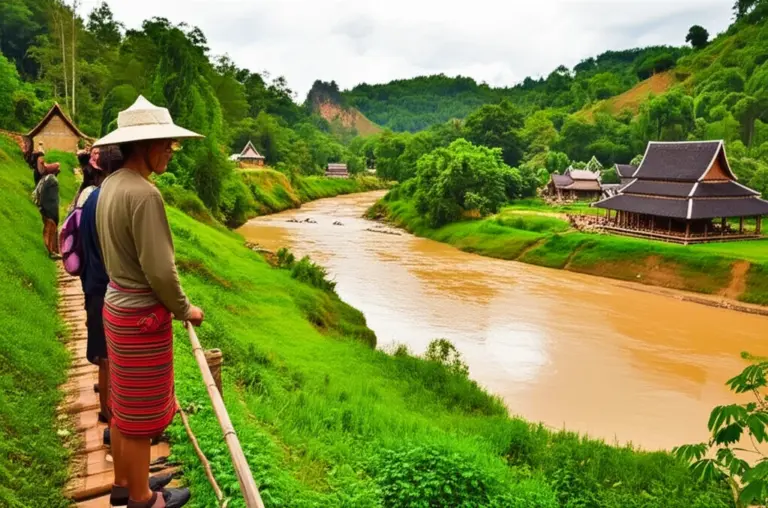
Laos, often referred to as the ‘Land of a Million Elephants,’ is a Southeast Asian gem renowned for its serene landscapes, rich cultural tapestry, and remarkably preserved natural environments. In an era where responsible travel is increasingly vital, choosing ecotourism in Laos offers a unique opportunity to explore this beautiful country while making a tangible positive impact. Ecotourism here is not just a trend; it’s a deeply ingrained philosophy that balances the desire for authentic experiences with the critical need for environmental protection and socio-economic development. It’s about immersing oneself in the local way of life, supporting sustainable practices, and contributing directly to the well-being of communities and the conservation of its unique biodiversity.
The Pillars of Ecotourism in Laos: A Holistic Approach
Ecotourism in Laos is built upon three fundamental pillars: benefiting local communities, fostering biodiversity conservation, and ensuring the preservation of cultural heritage. This holistic approach ensures that tourism serves as a catalyst for sustainable development rather than a source of exploitation. The Lao government, alongside various international and local organizations, has made significant strides in promoting and regulating ecotourism to ensure its long-term viability and positive impact.
Empowering Local Communities Through Responsible Travel
One of the most significant advantages of opting for ecotourism in Laos is its direct and profound impact on local communities. Many ecotourism initiatives are designed as Community-Based Tourism (CBT) projects, ensuring that the economic benefits of tourism flow directly to the villagers and ethnic groups who host visitors.
This empowerment takes several forms. Firstly, it creates vital income opportunities through various roles such as local guides, homestay hosts, artisans selling traditional crafts, and farmers supplying fresh produce to eco-lodges. Projects like the Nam Ha National Protected Area in Luang Namtha are prime examples, where villagers manage trekking trails and directly benefit from tourist fees, significantly alleviating rural poverty and improving livelihoods. [4, 16, 28] The ‘Lasting Laos’ campaign and the SUSTOUR Laos Project further promote certified businesses that adhere to sustainable practices, ensuring economic recovery and growth for local enterprises. [8, 13, 27]
Beyond direct income, ecotourism fosters skill development and entrepreneurship within these communities. Villagers learn hospitality, guiding, and sustainable resource management, leading to enhanced self-sufficiency and improved quality of life. By choosing ecotourism, travelers contribute to community funds, education, and even infrastructure development in remote areas, creating a sustainable cycle of growth and well-being. [5, 11, 26]
Safeguarding Laos’ Rich Biodiversity
Laos boasts an extraordinary wealth of biodiversity, with lush tropical forests, limestone karsts, and the mighty Mekong River providing habitats for a diverse array of flora and fauna, including many rare and endangered species. Ecotourism plays a crucial role in protecting these natural treasures.
A significant portion of the revenue generated from ecotourism activities, such as entrance fees to protected areas and guided tours, is often reinvested directly into conservation efforts. This funding supports anti-poaching initiatives, habitat restoration, scientific research, and wildlife monitoring programs. For instance, in the Nam Et-Phou Louey National Protected Area, ecotourism products are designed to directly link tourist payments to conservation incentives for local people, with greater incentives for sightings of rarer species. [23, 24] This innovative model creates a direct economic motivation for communities to protect wildlife.
Moreover, ecotourism raises awareness among both locals and visitors about the importance of environmental conservation. By experiencing the natural beauty and encountering wildlife responsibly, travelers become advocates for preservation. Reputable ecotourism operators enforce strict guidelines to minimize environmental impact, such as waste reduction, responsible trekking practices, and avoiding activities that harm animals. The Bokeo Nature Reserve, home to the Gibbon Experience, exemplifies a successful ecotourism project focused on gibbon conservation through canopy tours and tree-top accommodation. [5, 10, 18]
Ecotourism sustaining landscapes and livelihoods in Lao PDR
Watch this video to understand more about how ecotourism contributes to sustainable development and conservation in Laos.
Preserving Laos’ Unique Cultural Heritage
Laos’ cultural heritage is as rich and diverse as its natural landscape, shaped by centuries of history, spirituality, and ethnic traditions. Ecotourism, when managed responsibly, serves as a powerful tool for cultural preservation, ensuring that these invaluable traditions are not lost to modernization or mass tourism.
Through ecotourism, visitors have the opportunity for authentic cultural exchange, participating in traditional ceremonies, learning about local customs, and experiencing daily life in ethnic villages. Homestays, for instance, offer an intimate glimpse into Lao culture, allowing travelers to engage directly with families and gain a deeper appreciation for their way of life. This interaction fosters mutual respect and understanding, which is crucial for safeguarding cultural identity. [5, 12, 19]
Furthermore, ecotourism supports local artisans and traditional crafts. By purchasing handmade textiles, pottery, and other souvenirs directly from the creators, travelers contribute to the economic viability of these cultural practices, encouraging their continuation across generations. Laos is home to three UNESCO World Heritage Sites – Luang Prabang, the Plain of Jars, and Wat Phou – all of which benefit from responsible tourism practices that emphasize their preservation and educational value. [2, 9, 10, 13] The focus on small group sizes and respectful interactions ensures that cultural experiences remain authentic and non-intrusive.
Embracing Responsible Ecotourism: Practical Tips for Travelers
To maximize your positive impact when choosing ecotourism in Laos, consider the following:
- Choose Certified Operators: Look for tour operators and accommodations that are certified by programs like ‘Lasting Laos’ or ‘Travelife,’ which ensure adherence to sustainable and ethical practices. [8, 27]
- Support Local Businesses: Prioritize staying in locally owned guesthouses, eating at local restaurants, and buying handicrafts directly from artisans. This ensures your money directly benefits the community. [25, 26]
- Minimize Your Footprint: Carry a reusable water bottle, reduce plastic waste, conserve energy and water, and always dispose of trash properly. ‘Leave no trace’ is a key principle of ecotourism. [26]
- Respect Local Culture: Dress modestly, especially when visiting temples. Ask for permission before taking photos of people, and be mindful of local customs and traditions. A little effort to learn basic Lao phrases goes a long way. [26]
- Engage Responsibly with Wildlife: Choose ethical wildlife viewing experiences that prioritize animal welfare and conservation. Avoid activities like elephant riding or any interaction that exploits animals. [26]
Popular ecotourism activities in Laos include trekking in national protected areas like Nam Ha NPA and Nam Et-Phou Louey, kayaking on the Nam Ou River, cycling through the Bolaven Plateau, and experiencing homestays in remote villages such as Nong Khiaw. [5] Each of these offers an immersive way to connect with Laos’ nature and culture.
Conclusion: A Journey of Impact and Discovery
Choosing ecotourism in Laos is more than just a vacation; it’s a conscious decision to embark on a journey that enriches not only your own life but also the lives of those you encounter and the environment you explore. By embracing responsible travel practices, you directly contribute to the economic empowerment of local communities, the vital conservation of Laos’ unique biodiversity, and the enduring preservation of its profound cultural heritage. It allows for authentic, meaningful experiences that leave a lasting positive footprint, ensuring that the ‘Land of a Million Elephants’ remains a pristine and culturally vibrant destination for generations to come. Your responsible choices can help shape a sustainable future for Laos, making every adventure a step towards a better world.
คำถามที่พบบ่อย (FAQ)
How does ecotourism benefit local communities in Laos?
What are some popular ecotourism activities in Laos?
How does ecotourism contribute to biodiversity conservation in Laos?
What steps can travelers take to practice responsible ecotourism in Laos?
References
- Laos Ecotourism: Explore Pristine Nature and Authentic Local Living – Asia King Travel
- Laos Ecotourism Projects
- Lasting Laos: Promoting sustainable tourism in Laos
- Community Based Tourism in ASEAN Region – Visit Southeast Asia
- Laos Wildlife – Ecotourism Laos
- Lao PDR – Wildlife Conservation Society
- Cultural Traditions of Laos: How Tourism Helps Preserve Heritage – laos-proceed
- Community Implementation of the ASEAN Community-Based Tourism (CBT) Standard: An Executive Stakeholder Study on Lao PDR – MDPI
- Laos Sacred Natural Sites and Biodiversity – Constructive Voices
- Sustainable Tourism in Laos | Guide to Eco-Friendly Travel – Brother Tours