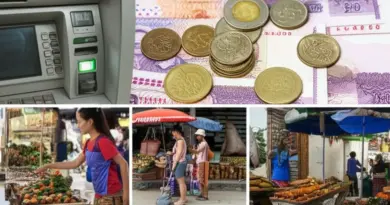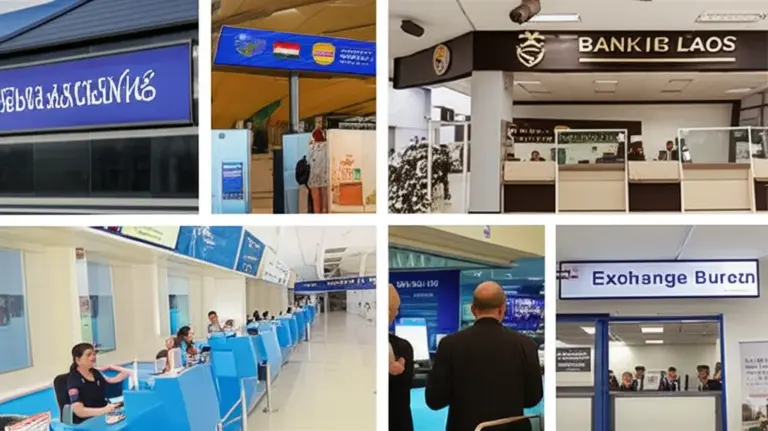
Where and how to exchange money in Laos safely — airports, banks, exchange bureaus, and tips to avoid scams
- Where and how to exchange money in Laos safely — airports, banks, exchange bureaus, and tips to avoid scams
- Understanding the Lao Kip (LAK) and Currency Basics
- The Best Places to Exchange Money in Laos
- Maximizing Your Exchange Rate and Minimizing Fees
- Essential Tips to Exchange Money in Laos Safely and Avoid Scams
- คำถามที่พบบ่อย (FAQ)
- Should I exchange money at the border crossing into Laos?
- Can I use US Dollars everywhere in Laos?
- What is the typical ATM withdrawal limit in Laos?
- Are credit cards widely accepted outside of major cities?
Welcome to Laos, the land of a million elephants! For a seamless and stress-free trip, knowing precisely how and where to exchange money in Laos safely is paramount. While Laos is generally safe, navigating currency exchange requires awareness of local practices, exchange rates, and potential pitfalls. This comprehensive guide provides expert advice on using airports, banks, and authorized bureaus to ensure you get the best value for your currency while protecting yourself from common tourist scams.
Understanding the Lao Kip (LAK) and Currency Basics
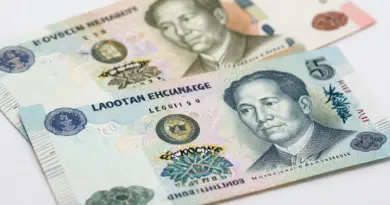
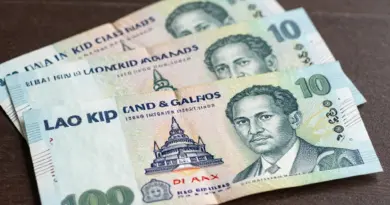
The official currency of Laos is the Lao Kip (LAK). Unlike many other currencies, the Kip is not convertible outside of Laos, meaning you cannot obtain it before arrival, and you must spend all your LAK before leaving. While the Kip is the legal tender, Laos operates on a multi-currency system, especially in major tourist hubs like Vientiane and Luang Prabang.
Which Currencies Are Accepted?
Travelers will often find three main currencies in circulation:
- US Dollars (USD): Widely accepted for large purchases, hotels, tours, and visas on arrival. USD often offers competitive rates, but change is usually given in LAK.
- Thai Baht (THB): Highly accepted, particularly in areas bordering Thailand (e.g., Vientiane). Many businesses, especially restaurants and guesthouses, list prices in THB alongside LAK.
- Lao Kip (LAK): Essential for everyday transactions, small purchases, local transport, and markets. Always use LAK for the best rates on small items.
The Best Places to Exchange Money in Laos
The key to successful currency exchange is balancing convenience with obtaining a favorable rate. Here is a breakdown of your best options for exchanging money in Laos safely.
1. International Airports (Vientiane and Luang Prabang)
Upon arrival at Wattay International Airport (Vientiane) or Luang Prabang International Airport, you will find several exchange counters, typically operated by major banks like BCEL. While airport rates are generally slightly lower than those in the city center, they offer unparalleled convenience.
2. Commercial Banks and ATMs
Commercial banks, such as BCEL (Banque Pour Le Commerce Exterieur Lao) and Lao Development Bank (LDB), offer the most secure and often the best exchange rates. They are reliable and transparent. Bank branches are typically open from 8:30 AM to 3:30 PM, Monday to Friday.
| Method | Pros | Cons |
|---|---|---|
| Bank Counters | Best rates, highest security, official documentation. | Limited hours (Mon-Fri), requires passport. |
| ATMs | 24/7 access, convenient location (widely available in cities). | High transaction fees (local and international), low withdrawal limits (often 1,000,000 to 2,000,000 LAK). |
3. Licensed Private Exchange Bureaus
In major cities, licensed money changers (often small, well-marked windows) offer rates that are competitive with banks, sometimes even better, and they usually operate longer hours. Always look for official signage and ensure the bureau is visibly regulated. These are excellent options for exchanging money in Laos safely outside of standard banking hours.
Maximizing Your Exchange Rate and Minimizing Fees
When to Exchange and How Much?
Avoid exchanging large sums immediately. Exchange in smaller batches as needed, primarily in the city center. Rates tend to be better for larger bills (e.g., $100 bills often get a better rate than $20 bills). Ensure your foreign currency bills are crisp, clean, and undamaged; banks may refuse old or damaged notes.
The Role of ATMs and Debit Cards
ATMs are widely available in Vientiane, Luang Prabang, and Pakse. While convenient, the fees stack up quickly. Most ATMs impose a local fee of around 20,000 LAK to 40,000 LAK per transaction, plus whatever your home bank charges. If you use an ATM, aim for the maximum withdrawal limit to minimize the impact of the fixed fee. Look for BCEL or Lao Development Bank ATMs, which are reliable.
Essential Tips to Exchange Money in Laos Safely and Avoid Scams
Safety is crucial when dealing with cash. Follow these guidelines to ensure you exchange money in Laos safely and avoid being targeted by opportunistic scammers.
-
Count Immediately and Discreetly
Always count your Kip immediately at the counter before walking away. Lao Kip bills have many zeros, making miscounting easy. Do this subtly, away from public view once you step aside.
-
Use Only Official Channels
Never exchange money with individuals on the street, no matter how attractive the rate seems. Unlicensed changers are the primary source of counterfeit money and short-changing scams.
-
Beware of the ‘Missing Zero’ Scam
When paying with large LAK notes (e.g., 50,000 or 100,000 LAK), vendors sometimes claim you paid with a smaller note (e.g., 5,000 or 10,000 LAK). Familiarize yourself thoroughly with the appearance and colors of the different denominations.
-
Use Digital Payments When Possible
While cash is king in Laos, major hotels and high-end restaurants accept credit cards. Using a card minimizes the amount of cash you need to carry and exchange.
-
Keep Your Passport Handy
Banks and official exchange bureaus require your passport for all major currency transactions. Ensure you have it (or a high-quality copy) with you.
By utilizing official banks and licensed exchange bureaus, being vigilant about counting your money, and understanding the local currency structure, you can confidently manage your finances and focus entirely on enjoying the incredible natural beauty and culture that Laos has to offer.
คำถามที่พบบ่อย (FAQ)
References
Bank of Lao PDR Official Currency Information
Travel Advisory: Currency Exchange Safety Tips in Southeast Asia
- Money in Laos: A Complete Guide to Lao Currency, Costs, and Practical Tips for Travelers and Expats
- What currency does Laos use, how to read Lao kip banknotes and coins, and current exchange rates for travelers
- Using cash, cards, and mobile payments in Laos: ATM availability, credit card acceptance, fees, and recommended travel cards