Zipline Canopy Stays in Bokeo: Inside the Gibbon Experience — Ultimate Guide to Planning, Booking, and Enjoying Your Canopy and Treehouse Adventure
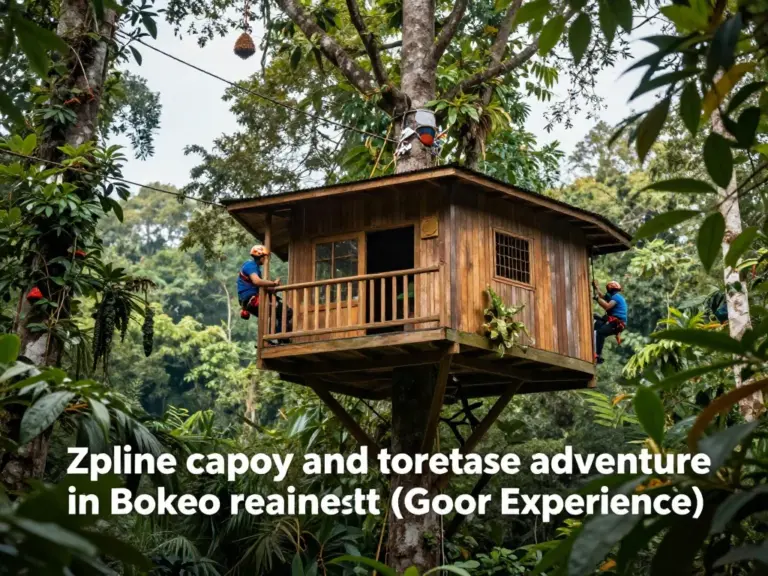
Deep within the lush Nam Kan National Park in Bokeo Province, Laos, lies one of the world’s most unique eco-tourism projects: the Gibbon Experience. This isn’t just a tour; it is a conservation-led adventure that allows travelers to live like forest dwellers. By combining high-flying ziplines with the world’s highest treehouses, visitors get an unparalleled perspective of the jungle canopy while contributing directly to the protection of the endangered black-crested gibbon.
The Magic of the Gibbon Experience: Why Go?
The core of the Gibbon Experience is its innovative approach to forest conservation. Originally founded to stop illegal logging and poaching, the project turned local hunters into forest guardians. Today, your visit funds the salaries of rangers and the maintenance of the park. Beyond the ethics, the sheer thrill of gliding across 500-meter-long ziplines to reach a wooden home suspended 40 meters above the ground is a bucket-list moment that few other destinations can match.
Choosing Your Adventure: Classic, Waterfall, or Honeymoon?
There are several ways to experience the canopy stays in Bokeo, depending on your fitness level and interest:
- The Classic (3 Days/2 Nights): The most popular option, focusing on maximum ziplining and a variety of treehouses.
- The Waterfall (3 Days/2 Nights): Involves more trekking and takes you deeper into the forest to a stunning waterfall and swimming hole.
- The Express (2 Days/1 Night): A condensed version for those with limited time, though it involves a faster pace.
What to Expect Inside Your Treehouse
The treehouses are architectural marvels. Built into massive tropical trees, they offer 360-degree views of the jungle. Inside, you will find basic but comfortable amenities:
| Feature | Description |
|---|---|
| Sleeping | Mattresses with mosquito nets and clean bedding. |
| Bathroom | Open-air showers with a view (cold water) and Western-style toilets. |
| Dining | Meals are delivered via zipline by the local guides. |
| Safety | Safety harnesses are required whenever you are near the edge. |
How to Plan and Book Your Stay
The gateway to the Gibbon Experience is Houayxay (also spelled Huay Xai), a town on the border of Thailand and Laos. Most travelers arrive here via a slow boat from Luang Prabang or by crossing the border from Chiang Khong, Thailand. Booking should be done directly through the official Gibbon Experience website to ensure your funds go to the conservation project.
Essential Packing List for the Jungle
Packing light is key, as you will be carrying your own gear through the jungle. Consider these essentials:
- Shoes: Sturdy hiking boots or trail runners with excellent grip.
- Clothing: Lightweight, quick-dry long sleeves and pants to protect against insects and leeches.
- Protection: High-DEET insect repellent and biodegradable sunscreen.
- Extras: A headlamp for the treehouse at night and a power bank for your camera.
คำถามที่พบบ่อย (FAQ)
Q: Is the Gibbon Experience safe?
A: Yes, the project uses high-quality climbing gear and double-cable systems. Guides provide thorough safety training before you hit the first zipline.
Q: Will I actually see gibbons?
A: While sightings are not guaranteed, you are very likely to hear their haunting morning calls. Early risers have the best chance of spotting them swinging through the trees.
Q: What is the best time of year to visit?
A: The dry season (November to February) is the most comfortable. The rainy season (June to October) makes the jungle lush but the trails can be very muddy and slippery.
References
Official Gibbon Experience Website
Laos National Tourism Administration
- What is the Gibbon Experience in Bokeo and why choose zipline canopy stays over traditional jungle tours?
- How to plan and book a Gibbon Experience: permits, best seasons, costs, packing list, and travel logistics to Bokeo, Laos
- What to expect on-site: safety briefings, canopy routes, treehouse accommodations, wildlife encounters, and daily itinerary