Why The Gibbon Experience Is a Must-Do: Overview, Best Time to Visit, and What to Expect
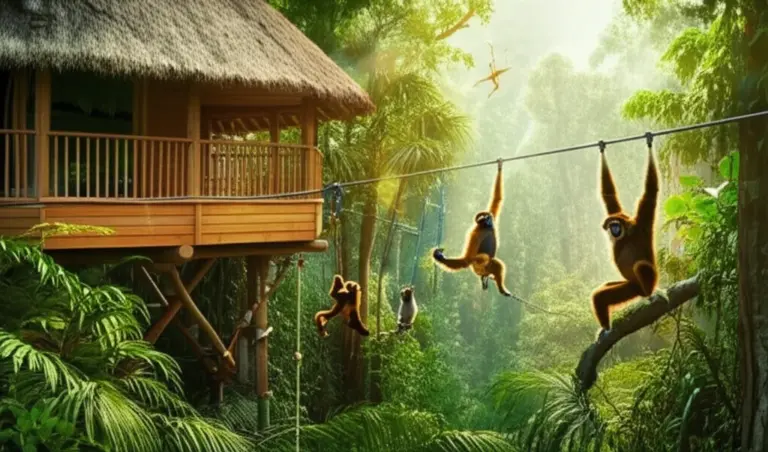
For those seeking a truly unique and impactful adventure in Southeast Asia, **The Gibbon Experience** in Laos stands out as an absolute must-do. Far more than just a thrilling zip-lining tour, this ecotourism project offers travelers the chance to sleep high in the world’s tallest treehouses, soar over the pristine canopy of Nam Kan National Park, and directly contribute to the conservation of one of the region’s most precious ecosystems. If you are planning **Laos Tourism** and looking for an unforgettable experience that combines adrenaline, nature, and sustainability, this northern Laos gem should be at the top of your itinerary.
E-E-A-T Highlight: Conservation in Action
The Gibbon **Experience** is a tourism-based conservation project. Revenue directly supports the protection of the 136,000-hectare Nam Kan National Park from illegal logging and poaching, while providing employment and income for local communities in Bokeo Province. Your adventure is a direct investment in the future of Laos’s biodiversity.
Overview of The Gibbon Experience
Located near the town of Huay Xai in Bokeo Province, Northern Laos, **The Gibbon Experience** is a pioneering adventure that began in 1996. The core of the experience revolves around a massive network of zip-lines—some stretching over 500 meters long—that crisscross the forest canopy, connecting a series of breathtaking treehouses. These wooden structures are built high in the trees, offering unparalleled views and a truly immersive jungle stay. The overall adventure is a multi-day commitment, focusing on trekking, zip-lining, and overnight stays.
The Three Main Tour Options
The project offers three main itineraries, each catering to a different level of fitness and focus. All tours are 2 nights/3 days, except for the Express option.
- **Classic Gibbon Experience:** The most popular option, balancing extensive zip-lining with moderate trekking. It is designed to maximize time in the canopy and the unique treehouses.
- **Waterfall Gibbon Experience:** This tour includes longer, more challenging hikes to a beautiful waterfall, with less emphasis on zip-lines than the Classic. It is ideal for dedicated trekkers.
- **Gibbon Express:** A shorter, more physically demanding 1 night/2 days trip. It involves a significant uphill hike at the start and a dense schedule of zip-lining, offering a quick, intense dose of the jungle.
Best Time to Visit The Gibbon Experience
Choosing the right time to visit Laos can significantly enhance your experience. The climate in Northern Laos is characterized by three main seasons, each with its pros and cons for a jungle adventure like this.
| Season | Months | Conditions & Recommendations |
|---|---|---|
| **Dry/Cool Season (Best Time)** | November to February | Cooler temperatures (especially at night) and minimal rain mean less mud and fewer mosquitoes. This is the optimal time for comfort and trekking. |
| **Hot Season** | March to May | Temperatures can be very high, making trekking challenging. However, the forest is relatively dry, and visibility is generally good. |
| **Wet/Green Season** | June to October | The jungle is lush and vibrant, but heavy rain can make trails very slippery and muddy. This season also brings the highest concentration of insects, including leeches. Bookings are essential regardless of the season. |
What to Expect: The Day-to-Day Adventure
Your journey begins at the Gibbon Experience office in Huay Xai, where you’ll receive a safety briefing, store your main luggage, and be transported to the edge of the Nam Kan National Park. From there, the real adventure starts.
The Thrill of Ziplining and Trekking
The days are spent trekking through the dense jungle and soaring across the valleys on the zip-lines. The guides are highly trained and safety is paramount, with high-quality equipment and rigorous procedures. Once you reach the main zip-line network, you are often free to traverse the lines between the treehouses at your own pace, providing an exhilarating sense of freedom and incredible panoramic views of the canopy below.
Life in the Treehouses
The overnight stay is the most unique aspect. These are not luxury resorts, but rustic, functional, and awe-inspiring structures built into the living trees. They are equipped with mosquito nets, basic bedding, and a simple toilet/shower (often cold water). Food—delicious, local Lao meals—is delivered to your treehouse via zip-line by the local staff. Waking up to the mist-shrouded jungle and the loud, distinctive calls of the Black Gibbon is an experience you won’t forget.
Watch a detailed overview of what **The Gibbon Experience** Classic Tour entails, including the treehouses and the exhilarating zip-lines.
Wildlife and Gibbon Sightings
While the project is named for the Black Gibbon, spotting one is rare and not guaranteed, as they are wild and elusive. However, the early morning is your best chance to hear their calls, which echo through the valley. The experience itself is a chance to see a variety of other jungle wildlife, from exotic birds and insects to perhaps a giant squirrel. It is crucial to manage expectations; the true reward is the immersion into the ancient forest itself.
Location and Access
The Gibbon Experience is accessible from the border town of Huay Xai, which is a key hub for **Laos Tourism**, particularly for those crossing from Chiang Rai or Chiang Mai in Northern Thailand. The journey from Huay Xai to the park entrance is managed by the Gibbon Experience team.
Essential Tips for Your Trip
- **Pack Light, Pack Smart:** You only carry a small daypack. Bring quick-drying clothes, a headlamp, a small first-aid kit, and good walking shoes.
- **Insect Repellent:** High-quality insect repellent is non-negotiable, especially during the wet season. Consider long sleeves and pants for trekking.
- **Water:** While water is provided, a reusable bottle is recommended.
- **Camera Safety:** Secure your phone/camera with a strap while zip-lining to prevent drops.
In summary, The Gibbon Experience is a rare opportunity to combine high-octane adventure with meaningful ecotourism. It is a challenging, rewarding, and deeply memorable way to connect with the wild heart of Laos and is truly a must-do for any adventurous traveler.
คำถามที่พบบ่อย (FAQ)
Is The Gibbon Experience safe?
Yes, safety is a top priority. The company uses high-quality zip-lining gear, conducts thorough safety briefings, and employs trained local guides who are experienced in jungle navigation and rescue protocols. Equipment is regularly inspected, and the treehouses are structurally sound.
How do I book The Gibbon Experience?
Bookings must be made directly through the official Gibbon Experience office or their website. It is highly recommended to book well in advance, especially during the peak cool/dry season (November to February), as spots are limited to maintain the integrity of the national park.
How much does The Gibbon Experience cost?
The cost is high by local Lao standards (typically several hundred US dollars per person), but this price covers all transport from Huay Xai, safety equipment, guides, all meals, and the unique treehouse accommodation. Crucially, a significant portion of the fee funds the conservation efforts of Nam Kan National Park and provides income for the local community.
What is the minimum age/fitness level required?
Participants must be at least 8 years old and weigh at least 20 kg. A moderate level of fitness is required, as all tours involve trekking on uneven terrain and using your upper body strength for some zip-lining maneuvers. The Waterfall and Express tours are more physically demanding than the Classic tour.