Health and Safety in Laos: Vaccines, Mosquitoes, and Travel Clinics
- Health and Safety in Laos: Vaccines, Mosquitoes, and Travel Clinics
Laos is an enchanting destination known for its serene rivers, lush mountains, and rich cultural heritage. However, traveling to Southeast Asia requires careful preparation regarding personal wellness. Understanding the requirements for Health and Safety in Laos is your first step toward a worry-free adventure. From navigating vaccination schedules to managing mosquito-borne risks, staying informed is the best way to protect yourself and your travel companions.
Essential Vaccinations for Laos
Before you board your flight, it is crucial to consult with a travel medicine specialist or your primary care physician at least 4 to 6 weeks before departure. While there are no specific vaccination requirements for entry into Laos, several routine and travel-specific vaccines are highly recommended to prevent illness.
Recommended Vaccines
- Routine Vaccines: Ensure you are up to date on measles-mumps-rubella (MMR), diphtheria-tetanus-pertussis, varicella (chickenpox), polio, and your yearly flu shot.
- Hepatitis A & Typhoid: These are highly recommended for most travelers, as they can be contracted through contaminated food or water, which is a common risk in developing regions.
- Hepatitis B: Recommended if you might have sexual contact with a new partner, get a tattoo or piercing, or undergo medical procedures.
- Japanese Encephalitis: This is a disease spread by mosquitoes in rural areas. If you plan on spending significant time outdoors, particularly in rice-growing regions, this vaccine is strongly advised.
Mosquito Protection and Vector-Borne Diseases
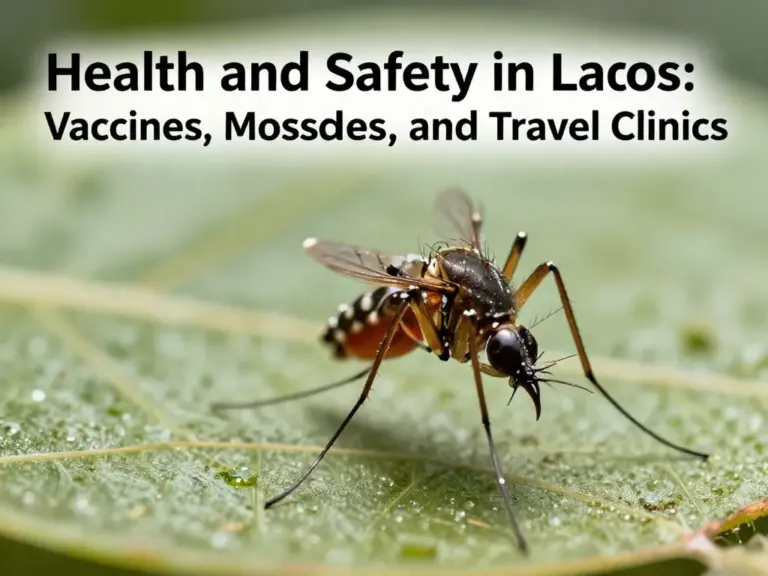
Mosquitoes in Laos can transmit diseases such as Dengue Fever, Zika virus, and Malaria. While Malaria is less common in major cities like Luang Prabang or Vientiane, it remains a risk in remote, forested areas. The most effective strategy is prevention through rigorous bite avoidance.
Top Tips for Avoiding Mosquito Bites
- Use an EPA-registered insect repellent containing DEET, Picaridin, or Oil of Lemon Eucalyptus.
- Wear long-sleeved shirts and long pants, ideally treated with permethrin.
- Stay in accommodations with air conditioning or well-screened windows.
- Use a mosquito bed net if sleeping in open-air or rural settings.
Accessing Travel Clinics and Medical Care
Medical facilities in Laos are limited, especially outside the main urban centers. Vientiane and Luang Prabang have international-standard clinics that can handle routine issues and stabilizing care. However, for serious medical emergencies, travelers are often evacuated to neighboring Thailand (typically Bangkok or Udon Thani).
Always ensure you have comprehensive travel insurance that includes medical evacuation coverage. Keep a copy of your medical records and a list of all medications you are taking. If you need a clinic, seek out those specifically catering to tourists, as they are more likely to have English-speaking staff and reliable supplies.
Food and Water Safety
Traveler’s diarrhea is the most common illness for visitors to Laos. To minimize your risk, stick to bottled, sealed water, avoid ice in drinks unless you are in a reputable establishment, and eat food that is served steaming hot. Street food is a highlight of the Laotian experience, but choose busy stalls where food is freshly cooked in front of you.