How seasonal weather affects waterfall flow, trekking conditions, and safety (rainy vs dry season)
- How seasonal weather affects waterfall flow, trekking conditions, and safety (rainy vs dry season)
Planning a trip to Laos to witness its magnificent waterfalls? Timing is everything. The dramatic shift between the monsoon (rainy) season and the dry season fundamentally alters the experience of exploring Laos’ natural wonders. Understanding How seasonal weather affects waterfall flow, trekking conditions, and safety (rainy vs dry season) is crucial for maximizing enjoyment and ensuring a safe adventure. This guide offers an expert perspective on navigating the Lao landscape across these distinct climatic periods.
The Dual Seasons of Laos: An Overview
Laos operates under a tropical monsoon climate, characterized by two dominant periods: the hot, wet season (roughly May to October) and the cooler, dry season (November to April). While both offer unique beauty, the conditions for waterfall exploration and trekking vary drastically. Expertise in reading these seasonal cues is the key to unlocking the best of Lao nature.
Rainy Season (Monsoon): Lushness and Power
The rainy season transforms the landscape into an intensely vibrant green. However, this abundance comes with significant challenges that directly affect waterfall visits and trekking routes.
Waterfall Flow: Maximum Volume
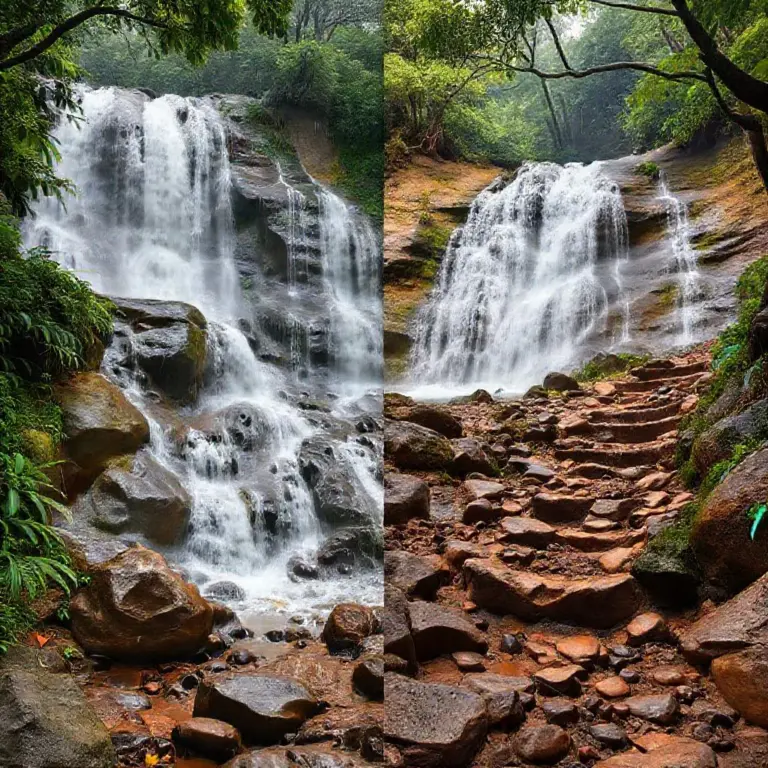
During the peak monsoon months (July to September), waterfalls like Kuang Si near Luang Prabang or Tad Sae reach their absolute maximum flow. The water volume is immense, creating thunderous displays of natural power. While visually spectacular, this high flow rate can obscure the turquoise pools often associated with these falls.
Trekking Conditions: Slippery and Challenging
Trekking paths become saturated. Mud is ubiquitous, turning gentle slopes into treacherous slides. River crossings, which might be easy hops in the dry season, can become deep, fast-moving torrents requiring local guide assistance or postponement. Navigation can be difficult due to overgrown vegetation and poor visibility during heavy downpours.
Safety Concerns: Flash Floods and Access
Safety is paramount. The primary risk is flash flooding, especially near smaller, narrow gorges or the base of high falls. Authorities may close access to certain areas entirely during sustained heavy rain. Mosquito-borne illnesses are also more prevalent during this humid period.
Dry Season (Cool/Hot): Clarity and Accessibility
The dry season, particularly November through February, is often considered the prime tourist window. The weather is stable, and the trails are at their most manageable.
Waterfall Flow: Gentle Cascades and Clear Pools
While the majestic roar diminishes, the dry season unveils the true colors of Laos’ waterfalls. The water flow becomes gentler, allowing the characteristic milky blue and turquoise hues of limestone-fed pools (like Kuang Si) to shine through brilliantly. Swimming is much more pleasant and safer when the current is weak.
Trekking Conditions: Optimal Footing
Trails are firm, dry, and easy to follow. This period allows trekkers to cover longer distances and explore secondary, less accessible cascades. Visibility is high, making photography much easier. However, the intense heat in March and April can make midday trekking exhausting.
Safety Concerns: Heat and Dust
The main safety concerns shift to heat exhaustion and dehydration. Always carry ample water, especially when hiking away from established tourist centers. Dust on unpaved roads can also affect respiratory health.
Comparative Analysis: Rainy vs. Dry Season
To aid your decision-making, here is a direct comparison summarizing How seasonal weather affects waterfall flow, trekking conditions, and safety (rainy vs dry season).
| Factor | Rainy Season (May–Oct) | Dry Season (Nov–Apr) |
|---|---|---|
| Waterfall Flow | Maximum volume; powerful, often murky. | Reduced flow; clear, vibrant pools ideal for swimming. |
| Trekking Difficulty | High (Muddy, slippery, overgrown). | Low to Moderate (Dry, firm trails). |
| Primary Safety Risk | Flash floods, landslides, difficult crossings. | Heat exhaustion, dehydration, dust. |
| Photography Quality | Dramatic power shots, lush greenery. | Vibrant water color, clear skies. |
Essential Trekking Safety Tips for Laos
Regardless of the season, preparedness is the hallmark of an experienced traveler. For waterfall excursions, especially those requiring a hike, follow these expert guidelines.
- Hire Local Guides: This is non-negotiable during the wet season. Local guides know which river fords are safe and which trails are currently closed due to instability.
- Footwear Matters: Invest in high-quality, quick-drying hiking boots with excellent grip for the wet season, or sturdy sandals for the dry season pool exploration.
- Check Local Forecasts: Even in the dry season, localized afternoon storms can occur. Always check the forecast the morning of your planned trek.
- Never Swim Above a Waterfall: During high flow, the force of the water can drag you over the edge. Always stay well clear of the precipice.
Locating Key Waterfalls in Laos
For those planning trips focused on the Luang Prabang area, understanding the proximity of major sites is helpful. Kuang Si is accessible year-round, though the experience changes drastically. Tad Sae, being entirely dependent on the Nam Khan River, often dries up completely by February or March.
คำถามที่พบบ่อย (FAQ)
What is the absolute best time to visit Lao waterfalls?
The shoulder months of November/early December or March/early April often provide the best balance: good water flow without the peak intensity of the monsoon or the extreme heat of the late dry season. This allows for safer trekking and clearer pool swimming.
Can I still visit waterfalls if it is the rainy season?
Yes, but exercise extreme caution. Always hire a local guide, wear appropriate gear, and be prepared for trail closures. Never attempt to cross swollen rivers alone.
Which waterfalls in Laos dry up completely?
Waterfalls fed by smaller tributaries or those with less consistent sources, such as Tad Sae near Luang Prabang, are the most likely to significantly diminish or dry up entirely during the peak of the dry season (typically February through April).
Are there specific safety protocols for swimming in waterfall pools?
Always check the depth before diving, as the bottom composition changes seasonally. Avoid swimming in areas marked as restricted or directly underneath strong currents, regardless of the season.
How does seasonal weather affect local travel infrastructure?
During the rainy season, unpaved secondary roads leading to remote waterfalls can become impassable for standard vehicles, sometimes requiring 4×4 transport or local boat services, which may increase travel time and cost.
References
Official Laos Tourism Board Information
World Meteorological Organization Climate Data for Laos
- Laos Weather by Month: Best Times for Waterfalls, Trekking & Festivals — When to Go and What to Expect
- Best months to visit Laos for waterfalls, trekking routes, and top festivals (month-by-month guide)
- Festival calendar and cultural events by month — planning trips around Lao New Year, boat races, and harvest festivals