Hidden Gems in Champasak: 10 Places Most Tourists Miss
- Hidden Gems in Champasak: 10 Places Most Tourists Miss
- hidden gems in Champasak: 1. The Quiet Beauty of Don Kho
- 2. Tad Tayicseua: The Waterfall Collective
- 3. The Ancient Ruins of Oum Muong
- 4. Ban Nong Boua
- 5. Tad Hang and Tad Lo Village
- Comparison of Popular vs. Hidden Sites
- 6. The Coffee Plantations of Paksong
- 7. The Xe Pian National Protected Area
- 8. Ban Khiet Ngong Wetlands
- 9. Phou Asa Temple Ruins
- 10. The Riverside of Pathoumphone
- Conclusion
- Frequently Asked Questions (FAQ)
Most travelers visiting Southern Laos flock immediately to the 4,000 Islands or Wat Phou, leaving the rest of the province in blissful silence. However, those willing to venture slightly off the beaten path will find that the real magic of Southern Laos lies in these quieter corners. If you are looking for hidden gems in Champasak that offer a more authentic connection to the land and its people, you are in the right place. From secluded waterfalls to lesser-known archaeological sites, this guide uncovers the spots that most tourists completely overlook.
While Don Det and Don Khon are bustling with backpackers, Don Kho remains a peaceful river island near Pakse. This is the perfect place to witness traditional weaving culture. The islanders are famous for their intricate silk textiles, and you can often watch the entire process, from spinning the thread to operating the wooden looms, right in the villagers’ homes.
2. Tad Tayicseua: The Waterfall Collective
Located on the Bolaven Plateau, Tad Tayicseua is arguably the most impressive waterfall collection in the region. Unlike the highly commercialized Tad Fane, this site features seven different waterfalls accessible via a lush, jungle trek. It is a haven for nature lovers who want to escape the crowds and enjoy a swim in pristine, cool mountain water.
3. The Ancient Ruins of Oum Muong
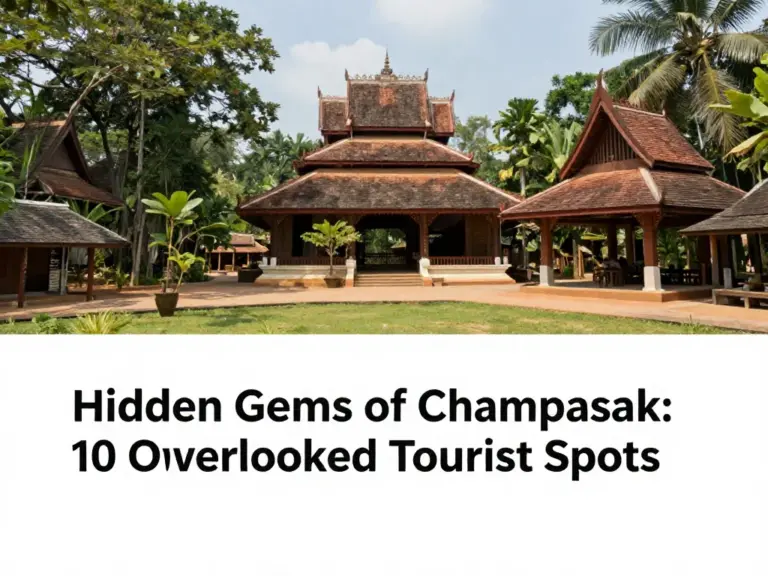
Often overshadowed by the famous Wat Phou, the Oum Muong temple complex near Champasak town offers a hauntingly beautiful experience. These pre-Angkorian ruins are tucked away in the forest, offering a sense of discovery that is rare in modern travel. The moss-covered stone carvings are incredible, and you will likely have the entire site to yourself.
4. Ban Nong Boua
For those interested in rural Lao life, Ban Nong Boua is a fascinating stop. This village is known for its traditional blacksmithing. Watching local artisans forge tools using techniques passed down through generations is a humbling look at the resilience and skill of the local community.
5. Tad Hang and Tad Lo Village
While Tad Lo is becoming more popular, the smaller cascade of Tad Hang, just a short walk away, is often ignored by day-trippers. This area provides a fantastic opportunity to interact with the local Katu and Alak ethnic groups, who maintain distinct cultural traditions that remain vibrant despite the encroachment of modern tourism.
Comparison of Popular vs. Hidden Sites
| Site Name | Popularity | Key Experience |
|---|---|---|
| Wat Phou | High | UNESCO World Heritage history |
| Oum Muong | Low | Secluded ancient ruins |
| Tad Fane | High | Dramatic twin waterfalls |
| Tad Tayicseua | Low | Seven-waterfall jungle trek |
6. The Coffee Plantations of Paksong
While many tourists do a quick drive-through, few take the time to stay at a working coffee farm. Paksong is the center of Lao coffee production. Staying at a small, family-run plantation allows you to learn about the Arabica and Robusta cultivation processes while enjoying some of the freshest coffee you will ever taste, overlooking misty volcanic soil hills.
7. The Xe Pian National Protected Area
This is one of the most biodiverse areas in Southeast Asia. While most people stick to the main roads, exploring the wetlands and forests of Xe Pian offers a chance to spot rare bird species and perhaps even wild elephants. Always ensure you hire a local guide to navigate this area responsibly.
8. Ban Khiet Ngong Wetlands
This village sits on the edge of the Xe Pian protected area and is famous for its buffalo-back trekking. Walking through the wetlands at sunrise or sunset provides a landscape of serene beauty, with the dramatic Phou Asa mountain looming in the background.
9. Phou Asa Temple Ruins
Accessible from Ban Khiet Ngong, this mysterious site consists of stone pillars arranged in a circle. There is much debate about whether these are ancient temple remnants or part of a later, more obscure construction. Regardless of the history, the panoramic view from the summit is spectacular.
10. The Riverside of Pathoumphone
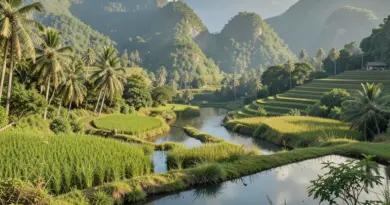
The district of Pathoumphone is largely off the tourist radar. The riverside areas here are perfect for cycling, offering flat, scenic paths that wind through rice paddies and small, friendly villages where you are more likely to be greeted by a curious child than another traveler.
Travel Checklist for Off-the-Beaten-Path Exploration
- Hire a local guide: Essential for safety and cultural respect in remote areas.
- Carry cash: ATMs are nonexistent in remote villages.
- Dress modestly: Respectful attire is required when visiting temples and rural communities.
- Pack a first aid kit: Medical facilities are limited outside of Pakse.
- Respect the environment: Carry out all your trash and avoid disturbing wildlife.
Conclusion
Champasak is a province defined by its depth. While it is easy to tick off the major sites, the true character of Southern Laos is found in the places where the road turns to dirt and the crowds disappear. By visiting these hidden gems, you not only get a better travel experience but also contribute to the local economy in regions that rarely see the benefits of tourism. Travel slowly, tread lightly, and keep an open mind.
Frequently Asked Questions (FAQ)
A: Generally, yes. However, it is highly recommended to hire a local guide, especially for trekking in national protected areas like Xe Pian, to avoid getting lost and to ensure you respect local customs.
A: A motorbike is the most flexible way to explore, but many of these locations can be reached by hiring a local driver or joining a small, responsible tour operator based in Pakse.
A: The dry season, from November to February, offers the most comfortable weather for trekking and exploring. The waterfalls are most impressive just after the rainy season (October).