Top 5 Homestays in Plain of Jars for an Authentic Experience
- Top 5 Homestays in Plain of Jars for an Authentic Experience
The Plain of Jars, located in the Xieng Khouang Plateau of Laos, is a destination shrouded in mystery and history. While many travelers visit for the ancient megalithic stone jars, the true magic of this region lies in the warmth of its people. Choosing to stay in homestays in Plain of Jars offers more than just a place to sleep; it provides a gateway into the daily lives, traditions, and culinary secrets of the local Lao communities. If you are seeking an experience that goes beyond the standard hotel itinerary, this guide will help you navigate the best local accommodations for an authentic cultural immersion.
homestays in Plain of Jars: Why Choose a Homestay in Phonsavan?
Phonsavan, the capital of Xieng Khouang province, serves as the gateway to the Plain of Jars. While there are several hotels and guesthouses in the town center, they often lack the personal touch that defines a Laotian hospitality experience. Staying with a local family allows you to support the community directly, enjoy home-cooked meals, and gain insights into the complex history of the region—including the remnants of the Indochina War that still shape the landscape today. Authentic homestays in Plain of Jars provide an intimate setting where you are treated as a guest rather than a tourist.
Top 5 Recommended Homestays for Cultural Immersion
Finding the right homestay requires looking beyond major booking platforms. Many of the most rewarding experiences are found through community-based tourism initiatives or direct local recommendations. Here are five top-rated areas and types of accommodations that promise an unforgettable stay.
1. The Hmong Community Homestays
The Hmong people make up a significant portion of the population in Xieng Khouang. Staying in a Hmong-run guesthouse or a village homestay is perhaps the most immersive experience available. You will likely participate in traditional tea ceremonies, witness Hmong embroidery craftsmanship, and eat meals prepared with fresh, mountain-grown ingredients.
2. Traditional Lao Wooden Houses
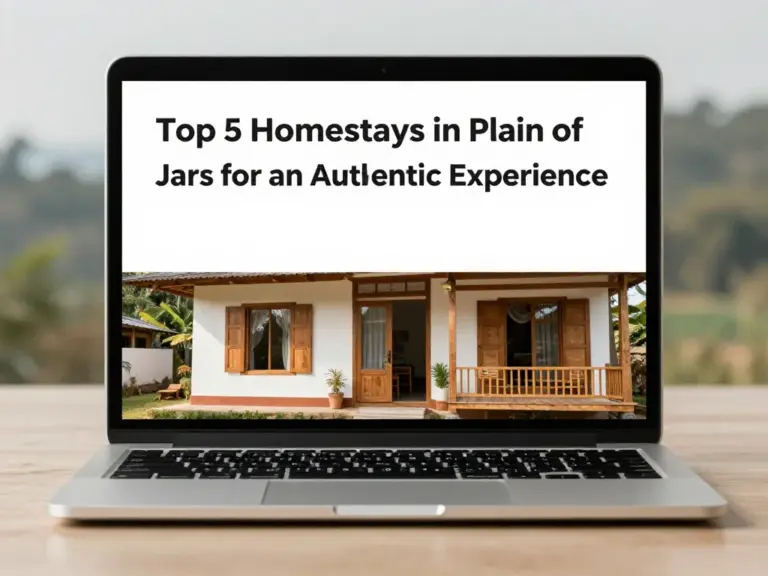
Several family-run establishments operate out of traditional wooden stilt houses. These structures are designed for the climate, offering natural ventilation and a connection to the surrounding gardens. These hosts are often eager to share stories about the local history of the Plain of Jars and the resilience of the local people.
3. Farm-to-Table Eco Homestays
For those interested in sustainable travel, look for farm-based homestays. These accommodations often involve helping with morning chores, such as picking vegetables or feeding livestock. It is a fantastic way to learn about the agricultural practices that sustain the plateau.
4. Muang Khoun Heritage Stays
Muang Khoun, the old capital, offers a more rustic and historic atmosphere. Staying in this area puts you closer to ancient temple ruins. Homestays here are often small, family-owned operations that provide a quiet, reflective environment far removed from the busier streets of Phonsavan.
5. Community-Led Tourism Cooperatives
Several village cooperatives have been established to welcome international visitors. These are often organized through local tourism offices. By staying here, you ensure that your tourism dollars contribute directly to village infrastructure and education.
Comparison of Accommodation Types
| Feature | Standard Hotel | Homestay Experience |
|---|---|---|
| Cultural Interaction | Low | High |
| Authentic Cuisine | Limited | Traditional/Home-cooked |
| Cost | Moderate | Budget-friendly |
| Facilities | Modern/Standard | Basic/Rustic |
| Support Local | Indirect | Direct |
Checklist: Preparing for Your Homestay
Before heading out to your chosen homestay, keep this checklist in mind to ensure a respectful and smooth experience:
- Pack Light: Many homestays are in rural areas with limited space. A backpack is easier to manage than a large suitcase.
- Respect Dress Codes: Modest clothing is appreciated, especially in rural villages. Keep shoulders and knees covered.
- Bring Small Gifts: A small token from your home country (like postcards, candies, or stationary) is a thoughtful gesture for your hosts.
- Learn Basic Phrases: Knowing a few words in Lao (e.g., hello, thank you) goes a long way in building rapport.
- Manage Expectations: Homestays are not hotels. Expect shared bathrooms, simpler bedding, and early morning starts.
Cultural Etiquette and Tips
When staying in homestays in Plain of Jars, cultural sensitivity is paramount. Laos is a deeply Buddhist country, and the Hmong communities have their own rich animist and ancestral traditions. Always remove your shoes before entering a home. Avoid pointing your feet toward people or sacred objects, as this is considered disrespectful. Finally, always ask permission before taking photographs of family members or their homes.
Conclusion
Visiting the Plain of Jars is a bucket-list item for many, but transforming that visit into a cultural exchange through a homestay makes the trip truly meaningful. By choosing to stay with a local family, you gain a deeper understanding of the resilience, warmth, and complexity of the people of Xieng Khouang. Whether you choose a farm-based stay or a heritage home in Muang Khoun, you are guaranteed an authentic experience that no hotel can replicate.
Frequently Asked Questions (FAQ)
A: Yes, generally speaking. The local people are very welcoming. However, always exercise standard travel precautions and book through reputable local tourism offices or community-based initiatives.
A: You do not need to be fluent, but learning basic greetings is highly appreciated. Many hosts in popular areas have some experience with international travelers, but a translation app is a useful backup.
A: Many homestays are not on major booking sites. The best way is to contact the Phonsavan Tourist Information Center upon arrival or search for community-based tourism projects in Xieng Khouang online.
A: Bring a mosquito net (if not provided), personal toiletries, a flashlight, and a respectful attitude. Cash is essential as many rural homestays do not accept credit cards.