Key rituals and ceremonies to observe at Lao wats: alms-giving, prayer, monk interactions, and festival customs
- Key rituals and ceremonies to observe at Lao wats: alms-giving, prayer, monk interactions, and festival customs
- The Cornerstone Ritual: Alms-Giving (Tak Bat)
- Prayer and Devotional Practices Inside the Wat Sim
- Respectful Monk Interactions: Rules for Tourists
- Festival Customs: Boun and Celebrations
- General Etiquette for Visiting Lao Wats
- คำถามที่พบบ่อย (FAQ)
- Is photography allowed inside Lao Wats?
- What is the correct way for a woman to greet a monk?
- Are there specific times I should avoid visiting a Wat?
For the discerning traveler exploring Laos, visiting a Wat (Buddhist temple) is not merely sightseeing; it is an immersion into the spiritual heart of the nation. These sacred compounds are vibrant centers of daily life, steeped in Theravada Buddhist traditions. Understanding the Key rituals and ceremonies to observe at Lao wats: alms-giving, prayer, monk interactions, and festival customs is crucial for showing respect and enriching your cultural experience. This guide provides the essential knowledge needed to navigate these revered spaces with grace and understanding.
The Cornerstone Ritual: Alms-Giving (Tak Bat)
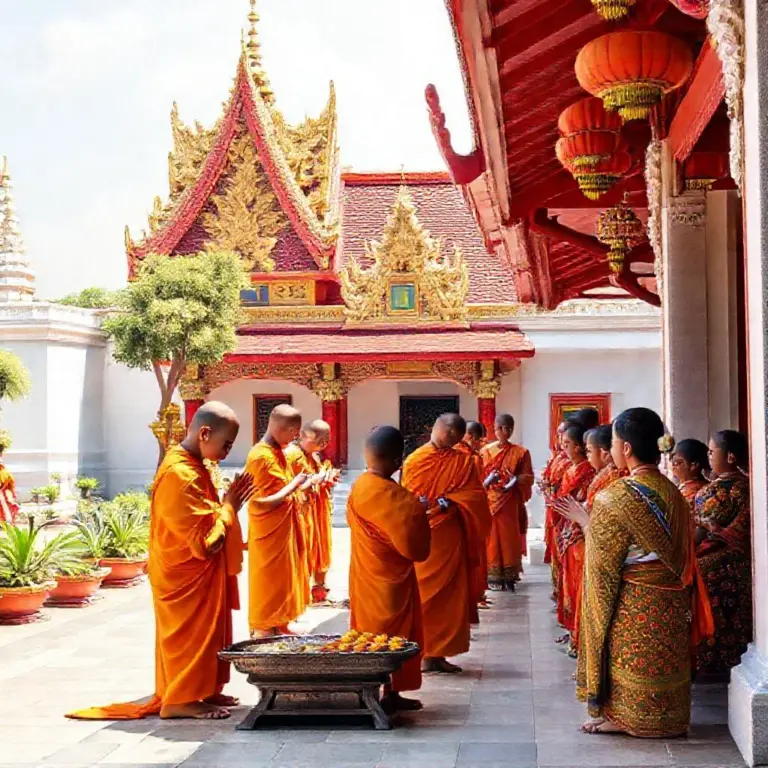
The most visible and moving daily ritual is Tak Bat, the morning alms-giving ceremony. This practice embodies the core Buddhist tenet of generosity (Dāna) and mutual reliance between the monastic community (Sangha) and laypeople. Observing this requires preparation and profound respect.
When and Where to Observe Tak Bat
The ceremony typically begins just before sunrise, often between 6:00 AM and 6:30 AM, depending on the specific city or village. Luang Prabang is famous for its particularly grand and traditional Tak Bat, though it is practiced everywhere.
How to Participate Respectfully
If you choose to participate rather than just observe, follow these guidelines:
- Prepare Offerings: Sticky rice (khao niao) is the traditional offering. Purchase it from a local vendor beforehand to ensure authenticity.
- Dress Modestly: Wear long pants or skirts and shirts covering your shoulders.
- Observe Silence: The atmosphere must remain silent and reverent. Do not use flash photography.
- Positioning: If you are female, never hand offerings directly to a monk; place them on the ground or a low table near him.
Witnessing this daily act of faith provides unparalleled insight into Lao spiritual life. For a deeper understanding of the monastic routine, consider watching this brief visual guide:
Prayer and Devotional Practices Inside the Wat Sim
The primary structure within a Wat compound is the Sim (ordination hall or main shrine). This is the space dedicated to communal prayer and housing the principal Buddha images. Understanding the local prayer customs enhances your visit.
The Structure of Lao Prayer
Lao Buddhists typically show respect by:
- Removing shoes before entering the Sim.
- Bowing three times (prostration) before the main altar, touching the forehead to the floor (the Sampeah Kao).
- Chanting short sutras, often accompanied by the sound of gongs or bells.
While tourists are welcome to sit quietly and observe, joining in is encouraged if you know the basic phrases. Even a simple, respectful silence speaks volumes about your appreciation for the sanctity of the space.
Respectful Monk Interactions: Rules for Tourists
Monks are highly revered figures in Lao society. Direct interaction is possible, but it must adhere to strict cultural protocols, especially concerning gender.
Rules for Interacting with Monks
| Action | Rule for Interaction | Reason |
|---|---|---|
| Speaking to Monks | Maintain a respectful distance and speak softly. | To maintain their meditative focus. |
| Giving Items (Non-Alms) | Offer items (like books or money) via a third party or place them on a table. | Physical contact between laywomen and monks is forbidden. |
| Men Offering Items | Men can hand items directly, but must slightly bow or place the item on a cloth. | Still requires a gesture of humility. |
| Sitting Near Monks | Never sit higher than a monk, even if seated on a chair. | Hierarchy of respect in Buddhism. |
These guidelines are essential when considering the Key rituals and ceremonies to observe at Lao wats, particularly those involving direct communication or offerings outside of morning alms. Remember, monks dedicate their lives to the Dharma, and respecting their boundaries shows cultural understanding.
Festival Customs: Boun and Celebrations
Lao culture is punctuated by vibrant Boun (festivals), many of which are centered around the Wat. These are opportunities to witness Buddhist principles expressed through joyous community action.
Key Festivals to Witness
- Boun Pi Mai (Lao New Year, April): While famous for water splashing (symbolizing purification), the core ritual involves visiting the Wat to bathe Buddha images with scented water and make offerings.
- Boun Khao Phansa (Start of Buddhist Lent, July/August): Marks the beginning of the three-month monastic retreat. Wats host special ceremonies involving candle lighting and offerings to support the monks during their intensive study period.
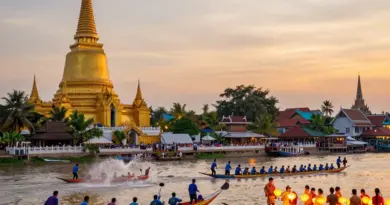
- Boun Ok Phansa (End of Buddhist Lent, October): Celebrated with spectacular candlelight processions around the Wat, offering thanks for the end of the rainy season retreat.
During festivals, the atmosphere is lively, but the central focus remains the temple. Visitors are welcome, but noise levels should remain respectful, especially near the main shrine.
General Etiquette for Visiting Lao Wats
Beyond specific ceremonies, general conduct ensures you honor the sacred nature of these sites. These universal rules cover most visits to temples across the country, including famous sites like Wat Si Saket in Vientiane.
- No Pointing Feet: Never point the soles of your feet towards a Buddha image or a monk. Sit with your feet tucked underneath you or to the side.
- Do Not Touch Artifacts: Unless explicitly invited to do so, refrain from touching Buddha statues or other religious relics.
- Respect Statues: Never climb onto or touch a Buddha image for a selfie.
References
คำถามที่พบบ่อย (FAQ)
Here are answers to common questions regarding temple visits in Laos.
- Buddhism in Laos: Essential Temple Etiquette and Top Wats to Visit for Respectful Travelers
- What is the cultural and religious significance of Buddhism in Laos and how does it shape temple life?
- How to behave at Lao temples: a practical guide to dress, gestures, photography, and dos and don’ts for visitors