Buddhism in Laos: Essential Temple Etiquette and Top Wats to Visit for Respectful Travelers
- Buddhism in Laos: Essential Temple Etiquette and Top Wats to Visit for Respectful Travelers
- Understanding the Significance of the Wat
- Essential Temple Etiquette: Showing Respect at Lao Wats
- Top Wats to Visit in Laos for the Cultural Explorer
- Immersive Experiences: Beyond the Sightseeing
- คำถามที่พบบ่อย (FAQ)
- Is it okay to take photos inside the main altar room (Sim)?
- What is the proper way to greet a monk in Laos?
- When should I participate in the Tak Bat (Alms Round)?
- Are there any specific gestures to avoid when talking to Lao people?
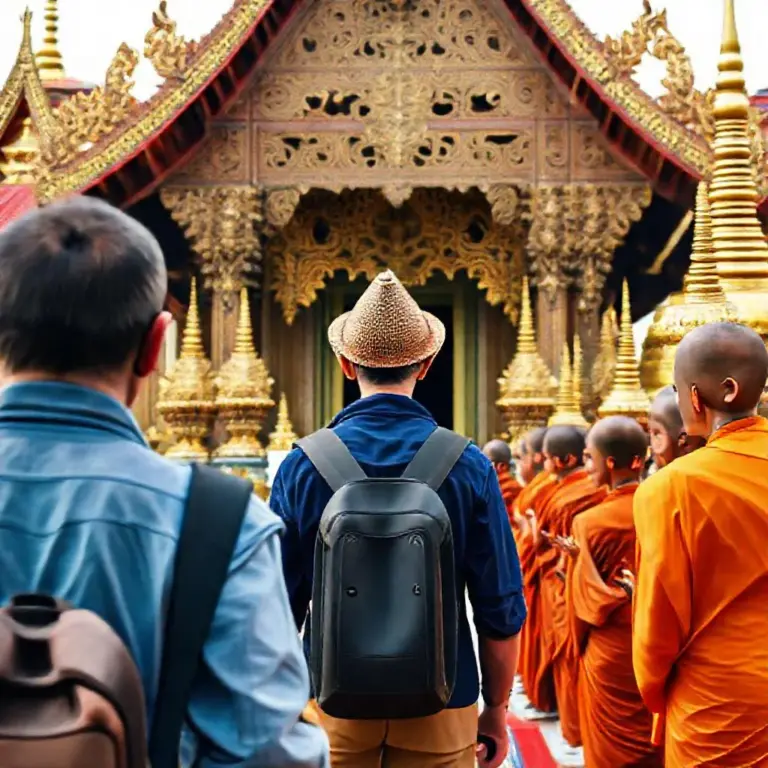
Laos, often called the ‘Land of a Million Elephants,’ is deeply interwoven with Theravada Buddhism. For the respectful traveler, understanding Buddhism in Laos: Essential Temple Etiquette and Top Wats to Visit for Respectful Travelers is crucial for enriching your journey. This guide provides the necessary cultural context and practical advice to ensure your visits to Laos’ sacred sites, or Wats, are harmonious and meaningful.
The spiritual heart of Laos beats strongest within its magnificent temples, where saffron-robed monks are a daily sight. Navigating these spaces requires sensitivity to local customs, rooted in deep reverence for the Buddha, the Sangha (monastic community), and elders. By adhering to simple guidelines, you transition from being a mere tourist to a respectful guest.
Understanding the Significance of the Wat
A ‘Wat’ (meaning ‘temple enclosure’) is more than just a place of worship; it is the social, cultural, and educational hub of the Lao community. Wats host festivals, house novice monks, and serve as places for meditation and learning. They are architecturally distinct, often featuring multi-tiered roofs and intricate carvings depicting Buddhist Jatakas (tales of the Buddha’s previous lives).
The Core Tenets of Lao Buddhism
Lao Buddhism is predominantly Theravada, emphasizing adherence to the Vinaya (monastic rules) and the path to Nirvana through merit-making. Travelers often participate in merit-making activities, such as offering food to monks during the daily Tak Bat (alms round) or donating to temple maintenance.
Essential Temple Etiquette: Showing Respect at Lao Wats
Mastering Lao temple etiquette is the key to appreciating the deep spirituality of the country. These rules are non-negotiable signs of respect for the local faith.
1. Dress Code: Covering Up is Crucial
Always dress modestly when entering any religious site. This applies to both men and women.
- Shoulders and Chest: Must be covered. Avoid spaghetti straps or tank tops.
- Legs: Shorts or skirts should fall below the knee. Long trousers are always a safe choice.
- Headwear: Hats should be removed before entering the main ordination hall (Sim).
2. Entering the Sim (Ordination Hall)
The Sim houses the principal Buddha images and is the most sacred area. Observe these actions:
- Remove Footwear: Take off your shoes and socks before stepping onto the raised platform or inside the main door.
- No Pointing Feet: When sitting or kneeling to admire the statues, ensure your feet are never pointed directly at a Buddha image or a monk, as feet are considered the lowest and dirtiest part of the body.
- Posture: Sit quietly and respectfully. If you wish to show deep reverence, kneel, place your hands together in the ‘nop’ gesture, and bow your head three times (the Triple Prostration).
3. Interacting with Monks
Monks are highly respected figures in Lao society. Special rules apply, particularly for female travelers.
- Women and Monks: Women should never touch a monk or hand an item directly to him. If you need to pass something, place it on a table or pass it via a man.
- Personal Space: Give monks ample space, especially when they are walking or seated.
- Photography: Always ask permission before photographing a monk, especially if you are taking a close-up portrait.
4. General Conduct
Keep your voice low, avoid loud conversations, and refrain from excessive public displays of affection within the temple grounds.
Top Wats to Visit in Laos for the Cultural Explorer
While nearly every village has a beautiful Wat, certain sites stand out for their historical importance, architectural splendor, and spiritual atmosphere. Here are the must-see locations for those interested in Buddhism in Laos: Essential Temple Etiquette and Top Wats to Visit for Respectful Travelers.
Luang Prabang: The Spiritual Heart
Luang Prabang, a UNESCO World Heritage city, is the epicenter of Lao Buddhist tradition. Witnessing the morning alms round here is an unforgettable cultural experience.
Wat Xieng Thong
Arguably Laos’ most famous temple, Wat Xieng Thong embodies the classic Luang Prabang temple style. Look for the stunning ‘tree of life’ mosaic on the rear wall of the main chapel and its sweeping, low-hanging roofs.
Wat Mai Suwannaphumaham
This Wat serves as the temporary residence for the Lao Buddhist Patriarch. Its façade is richly decorated with gold stenciling and detailed lacquerwork, making it a photographer’s delight (with permission, of course).
Vientiane: Capital Grandeur
The capital city offers grander, more modern examples of Lao religious architecture.
Pha That Luang
This towering golden stupa is the national symbol of Laos and is considered the most important national monument. While not a traditional Wat complex, its grounds are sacred and host major religious festivals. Its design is said to mirror a lotus flower.
Watch an overview of the spiritual landscape of Laos:
Wat Si Saket
Built in 1818, Wat Si Saket is unique because it survived the Siamese invasion of 1828, unlike many other Vientiane Wats. It features thousands of miniature Buddha statues lining its cloister walls—a truly impressive sight.
To help you locate these sites, here is a map reference for the capital:
Immersive Experiences: Beyond the Sightseeing
To truly connect with Lao Buddhist culture, consider participating in respectful local practices. Many Wats welcome visitors for short meditation sessions or dharma talks, offering profound insight into the daily lives of monks.
Remember, your visit is a privilege. Approach every temple with an open heart and a commitment to observing Buddhism in Laos: Essential Temple Etiquette and Top Wats to Visit for Respectful Travelers. This respect will be reciprocated tenfold by the warm and devout Lao people.
คำถามที่พบบ่อย (FAQ)
References
UNESCO World Heritage Centre: Luang Prabang
BuddhaNet – A Resource for Buddhist Teachings
- What is the cultural and religious significance of Buddhism in Laos and how does it shape temple life?
- How to behave at Lao temples: a practical guide to dress, gestures, photography, and dos and don’ts for visitors
- Key rituals and ceremonies to observe at Lao wats: alms-giving, prayer, monk interactions, and festival customs