Overview of Health Risks in Laos and Recommended Vaccinations for Travelers and Expats
Laos is a stunning landlocked country known for its mountainous terrain, French colonial architecture, and Buddhist monasteries. However, for travelers and expats, the tropical climate and developing healthcare infrastructure present specific health challenges. Being aware of the health risks in Laos allows you to take proactive measures, ensuring that your stay—whether for a week or a year—remains focused on the beauty of the Mekong rather than medical emergencies.
Understanding Primary Health Risks in Laos
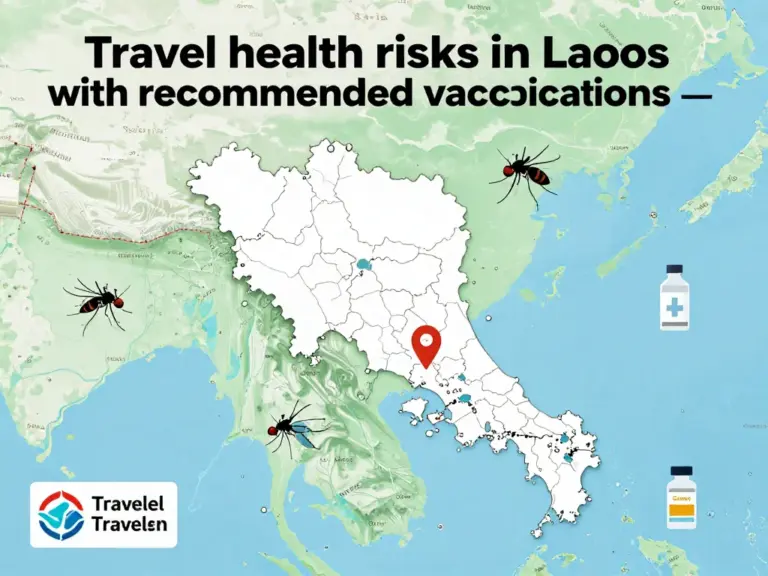
The most common health risks in Laos involve mosquito-borne illnesses, water-borne diseases, and environmental factors. Dengue fever is endemic and occurs throughout the year, with increased transmission during the rainy season (May to October). Malaria is also present, particularly in rural and forested areas, though major cities like Vientiane and Luang Prabang are generally considered low-risk.
Vector-Borne Diseases
- Dengue Fever (High risk in urban areas)
- Malaria (Rural/Forested areas)
- Zika Virus (Occasional reports)
- Japanese Encephalitis
Water & Food Safety
- Typhoid Fever
- Hepatitis A
- Traveler’s Diarrhea
- Cholera (Rare but possible)
Recommended Vaccinations for Laos
Before traveling, it is essential to be up-to-date on routine vaccinations. In addition, the CDC and WHO recommend specific vaccines based on the duration of your stay and your planned activities. For expats, the requirements are often more comprehensive due to long-term exposure.
Environmental Concerns and Medical Care
Air quality can be a concern, particularly during the ‘burning season’ (February to April) in Northern Laos, which may exacerbate respiratory issues. Furthermore, healthcare facilities in Laos are limited. While Vientiane has some international clinics, serious medical conditions often require evacuation to Thailand (specifically Udon Thani or Bangkok). Therefore, comprehensive travel insurance with medical evacuation coverage is non-negotiable for both tourists and expats.
Practical Prevention Tips
Drink Bottled Water: Never drink tap water. Ensure ice is made from purified water.
Mosquito Protection: Use DEET-based repellents and wear long sleeves during dawn and dusk.
Food Hygiene: Eat food that is served hot and avoid raw vegetables washed in local water.
คำถามที่พบบ่อย (FAQ)
Is it safe to drink tap water in Laos?
No, tap water in Laos is not safe for consumption. Always drink bottled, boiled, or chemically treated water.
Do I need malaria pills for Vientiane?
Generally, Vientiane and Luang Prabang are considered low-risk for malaria. However, if you are trekking in rural provinces, prophylaxis may be recommended by your doctor.
What is the biggest health risk in Laos?
Dengue fever and road traffic accidents are statistically the highest risks for travelers. Mosquito prevention and cautious transportation choices are vital.
Where should I go for serious medical emergencies?
For serious conditions, most expats and travelers cross the border to Thailand, as the medical facilities in cities like Bangkok or Udon Thani are of a higher international standard.
References
CDC Health Information for Travelers to Laos
WHO – Lao People’s Democratic Republic Overview
- Health and Safety in Laos: Essential Vaccines, Clinics, and Travel Insurance Tips for Expats and Tourists
- How to Find and Choose Reliable Clinics and Hospitals in Vientiane, Luang Prabang, and Remote Areas
- Preparing for Medical Emergencies: Travel Insurance, Evacuation Coverage, and How to File a Claim from Laos