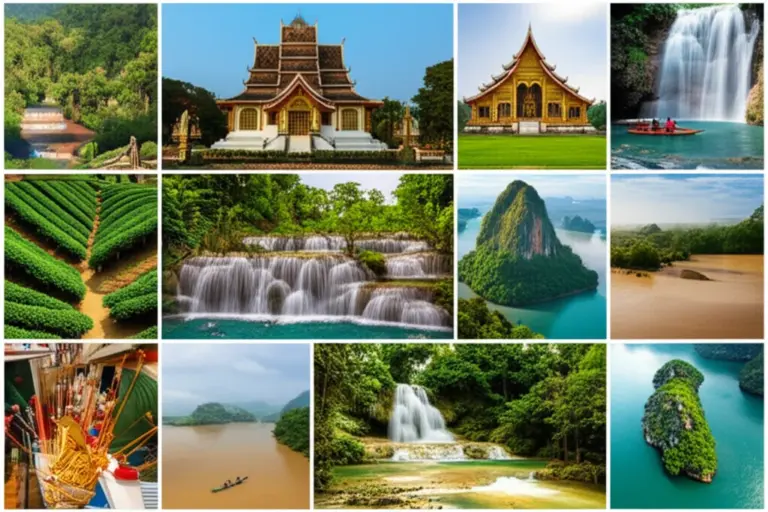
The Perfect 10-Day Laos Itinerary: From Luang Prabang to the 4000 Islands — Ultimate Day-by-Day Guide for Culture, Nature & Adventure
- The Perfect 10-Day Laos Itinerary: From Luang Prabang to the 4000 Islands — Ultimate Day-by-Day Guide for Culture, Nature & Adventure
- The Ultimate 10-Day Laos Itinerary: A Day-by-Day Breakdown
- Essential Laos Travel Tips
- คำถามที่พบบ่อย (FAQ)
Welcome to Laos, a landlocked gem in Southeast Asia, often overshadowed by its more bustling neighbors but brimming with serene beauty, rich cultural heritage, and thrilling adventures. If you’re planning a trip and looking for the ultimate experience, this 10-day Laos itinerary is meticulously crafted to guide you from the spiritual heart of Luang Prabang to the tranquil paradise of the 4000 Islands. Whether you’re a culture enthusiast, a nature lover, or an adrenaline junkie, this guide will ensure your laos Tourism adventure is unforgettable. Prepare to immerse yourself in ancient traditions, explore breathtaking landscapes, and discover the laid-back charm that defines this captivating country.
Why Choose Laos for Your Next Adventure?
Laos offers a unique blend of experiences that cater to diverse interests. From the UNESCO World Heritage town of Luang Prabang with its gilded temples and saffron-robed monks, to the adventurous karst landscapes of Vang Vieng, and the serene riverine charm of the 4000 Islands, this country promises authenticity and tranquility. It’s a destination where ancient traditions thrive, nature is untouched, and the pace of life encourages genuine relaxation. [42]
The Ultimate 10-Day Laos Itinerary: A Day-by-Day Breakdown
This comprehensive 10-day Laos itinerary balances cultural immersion with outdoor activities, ensuring you experience the very best of Laos. We’ll start our journey in the spiritual north and make our way south, offering a seamless travel experience.
Days 1-3: Luang Prabang – The Cultural Heartbeat
Your 10-day Laos itinerary begins in Luang Prabang, a town steeped in history and spirituality, nestled at the confluence of the Mekong and Nam Khan rivers. [42]
Day 1: Arrival & Riverside Charm
- Arrive at Luang Prabang International Airport (LPQ). Transfer to your accommodation.
- Spend the afternoon exploring the charming Old Quarter, a UNESCO World Heritage site, with its well-preserved French colonial architecture and ancient temples like Wat Xieng Thong and Wat Mai. [6, 25]
- Sunset at Mount Phousi: Climb the 300+ steps to the summit for panoramic views of the city and the Mekong River as the sun dips below the horizon. [14, 29]
- Evening: Indulge in local street food and browse handicrafts at the vibrant Luang Prabang Night Market. [14, 29]
Day 2: Waterfalls & Caves
- Morning: Visit the stunning Kuang Si Falls, a multi-tiered waterfall with turquoise pools perfect for swimming. Don’t miss the Tat Kuang Si Bear Rescue Centre located within the park. [6, 12, 14, 29]
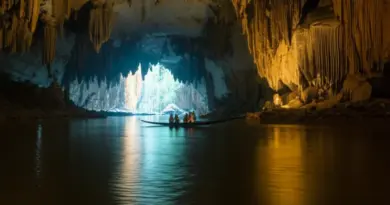
- Afternoon: Take a scenic boat trip on the Mekong River to the Pak Ou Caves, home to thousands of miniature Buddha statues left by pilgrims over centuries. [12, 29]
- Evening: Enjoy a traditional Lao Baci ceremony and dinner.
Day 3: Monks & Mekong Life
- Early Morning: Witness the daily Alms Giving Ceremony (Tak Bat), where local monks collect alms from devotees. Maintain respectful distance and silence. [14]
- Visit the Royal Palace Museum (Haw Kham), offering insights into Laos’ royal history and traditional architecture.
- Afternoon: Explore the Traditional Arts and Ethnology Center (TAEC) to learn about Laos’ diverse ethnic groups.
- Consider renting a bicycle to explore the quieter areas along the Nam Khan River. [12]
Days 4-5: Vang Vieng – Adventure Playground
Travel from Luang Prabang to Vang Vieng by train (approx. 2 hours) or bus (approx. 6-7 hours). The train is faster and more comfortable. [8, 16] Vang Vieng, surrounded by stunning limestone karsts and the Nam Song River, is an adventure hub.
Day 4: Blue Lagoons & Caving
- Morning: Head to one of Vang Vieng’s famous Blue Lagoons (e.g., Blue Lagoon 1, 3, or 4), known for their clear, refreshing waters and rope swings. [7, 18, 34]
- Explore Tham Phu Kham Cave, home to a reclining Buddha statue, often combined with a visit to a Blue Lagoon. [18]
- Afternoon: Enjoy tubing or kayaking down the Nam Song River, taking in the picturesque karst scenery. [7, 18, 30, 34]
Day 5: Viewpoints & Hot Air Balloons
- Morning: Hike to a viewpoint like Nam Xay Viewpoint or Pha Ngern Viewpoint for breathtaking panoramic views of the Vang Vieng landscape. [7, 30, 34]
- For an unforgettable experience, consider an early morning hot air balloon ride over the karsts. [7, 18, 33]
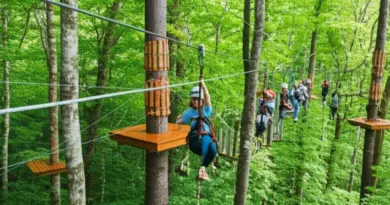
- Alternatively, try ziplining through the jungle. [7, 18, 30]
Day 6: Travel Day – Vientiane
Take the high-speed train from Vang Vieng to Vientiane (approx. 1 hour). [8] Check into your hotel and take the afternoon to relax or begin a gentle exploration of the capital.
- Afternoon: Stroll along the Mekong River promenade and enjoy the sunset.
- Evening: Explore the Vientiane Night Market for dinner and souvenirs. [40]
Day 7: Vientiane – Capital Charms
Vientiane, the charming capital, offers a relaxed pace and significant cultural sites. [38]
- Morning: Visit Pha That Luang, the national symbol of Laos, a magnificent golden stupa. [22, 37]
- Explore Patuxay (Victory Gate), Vientiane’s own Arc de Triomphe, with its unique Laotian design. [22, 37]
- Visit Wat Si Saket, Vientiane’s oldest temple, and Ho Phra Keo, a former royal temple now a museum. [37, 38]
- Afternoon: Head to the COPE Visitor Centre to learn about the devastating impact of unexploded ordnance in Laos and the efforts to assist victims. [38]
- Finish your day at Buddha Park (Xieng Khuan), an eccentric sculpture park filled with Buddhist and Hindu statues, located just outside the city. [22, 37]
Days 8-10: 4000 Islands (Si Phan Don) – Southern Serenity
Take a domestic flight from Vientiane to Pakse (approx. 1 hour). From Pakse, take a bus or minivan to Ban Nakasang and then a short boat ride to Don Det or Don Khone, the main islands in Si Phan Don. [16] The 4000 Islands offer the perfect end to your laos Tourism journey – a place to unwind and soak in the slow pace of rural life.
Day 8: Island Arrival & Relaxation
- Travel from Vientiane to the 4000 Islands.
- Settle into your riverside bungalow and embrace the tranquil island vibe.
- Enjoy a spectacular sunset over the Mekong from your hammock. [19, 27]
Day 9: Waterfalls & Cycling
- Rent a bicycle and explore Don Det and the connecting island of Don Khone via the old French bridge. [19, 24, 27, 36]
- Visit Li Phi Falls (Tat Somphamit Waterfall) on Don Khone. [19, 24, 27, 36]
- Continue to Khone Phapheng Falls, Southeast Asia’s largest waterfall, a truly impressive natural wonder. [19, 24, 27, 39]
- Consider a boat trip to spot the rare Irrawaddy dolphins (seasonal and not guaranteed). [19, 27]
Day 10: Departure
- Enjoy a final relaxed morning on the islands.
- Depart from the 4000 Islands, taking a boat back to Nakasang, then a bus/taxi to Pakse Airport for your onward journey.
Essential Laos Travel Tips
This 10-day Laos itinerary offers a comprehensive journey through the country’s highlights. Laos is a destination that promises a unique and enriching travel experience, leaving you with lasting memories of its gentle people, stunning landscapes, and profound culture.
คำถามที่พบบ่อย (FAQ)
Is Laos safe for tourists?
Generally, Laos is considered a safe country for tourists. Petty crime like pickpocketing can occur in crowded areas, but violent crime is rare. It’s always advisable to take standard precautions, such as keeping valuables secure and being aware of your surroundings, especially at night. For laos Tourism, safety is a key consideration, and the local authorities are keen on maintaining a welcoming environment for visitors.
What is the best way to travel between cities in Laos?
The best way to travel between major cities like Vientiane, Vang Vieng, and Luang Prabang is by the new Laos-China Railway, which is fast and comfortable. For other routes, VIP buses and minivans are common and affordable. Domestic flights are available for long distances, such as to Pakse for the 4000 Islands, saving significant travel time. [8, 16, 28]
Do I need a visa to visit Laos?
Most foreign nationals need a visa to enter Laos. Many can obtain a Visa on Arrival (VOA) at international airports (Vientiane, Luang Prabang, Pakse) and major land border crossings. An e-Visa system is also available for pre-arrival application. Always check the latest visa requirements for your specific nationality before traveling. [10, 17, 20, 26, 31]
What is the local etiquette in Laos?
Laos is a Buddhist country with a strong emphasis on respect. Dress modestly, especially when visiting temples (cover shoulders and knees). Remove your shoes before entering temples or private homes. Do not touch monks, especially if you are a woman. Use both hands when giving or receiving something. A gentle nod or a ‘nop’ (pressing palms together) is a common greeting.
What should I budget for a 10-day Laos trip?
Laos is generally an affordable travel destination. For a comfortable mid-range trip including accommodation, food, activities, and transport, a budget of $50-$100 USD per person per day is a good estimate. This can vary significantly based on your travel style, choice of accommodation, and activities. Budget travelers can spend less, while luxury options will naturally cost more.
References
- Wayfairer Travel – When to Go to Laos
- Travel Lush – What to Do in Luang Prabang
- Fahey James Travel – 10 Magical Things To Do In Vang Vieng
- Hanoi Voyages – Transportation in Laos
- Audley Travel – Best Time to Visit Laos
- Wikipedia – Visa Policy of Laos
- Enchanting Travels – Best Time to Visit Laos
- Journey Era – 9 Best Things To Do In Luang Prabang
- New Asia Tours – Top 5 Transportations In Laos
- Stoked to Travel – Best Things to Do & See in Luang Prabang
- Loren’s Wanderlust – When to Go to Laos
- Lao e-Visa – How to get Around in Laos
- Parfum d’Automne – Laos Visa – everything you need to know
- Klook Travel – Best Places To Visit in Vang Vieng
- Mismatched Passports – 10 Awesome Things to Do in the 4000 Islands, Laos
- VisaIndex – Laos Tourist Visa Requirements
- Responsible Travel – Best time to visit Laos
- Lonely Planet – Must-see attractions in Vientiane
- YouTube – Laos 10-day travel itinerary
- GetYourGuide – The BEST Vang Vieng Tours and Excursions
- Backpack Adventures – The Most Beautiful Things to do in Vang Vieng
- Lonely Planet – Must-see attractions in Luang Prabang
- Laos Travel – Top 10 Places To Visit In Luang Prabang
- BucketListly Blog – Discover Vang Vieng: 10 Adventures You Can’t Miss
- VisaHQ – Laos Visa – Price, Requirements and Application
- YouTube – 10 day northern Laos itinerary
- Brunette at Sunset – A guide to Don Det & the 4000 Islands in Laos
- Hotels.com – 17 Best Things to Do in Vientiane
- Viator – The Top 15 Things To Do in Vientiane
- Megaworld Asia – 4000 Islands in Laos
- BucketListly Blog – Visiting Vientiane: 10 Incredible Things to Do & More
- Passport the World – Things to do in Vientiane Laos
- Let’s Venture Out – My 10-Day Laos Itinerary
- YouTube – Laos in 10 days
- Autour Asia – Laos Itinerary 10 Days
- How to Plan Your 10 Days in Laos: Best Time to Visit, Visa Tips, Budgeting and Transport Options Between Cities
- Day 1–3: Exploring Luang Prabang’s Highlights — Temples, Morning Alms, Kuang Si Falls and River Cruises with Suggested Timetable
- Day 4–6: Northern Laos Adventures — Day Trips to Nong Khiaw, Pak Ou Caves and Authentic Rural Experiences