Preparing for Volunteer Work in Laos: Visas, Vaccines, Language, and Cultural Etiquette
- Preparing for Volunteer Work in Laos: Visas, Vaccines, Language, and Cultural Etiquette
Laos, the ‘Land of a Million Elephants,’ offers rich cultural experiences and incredible opportunities for meaningful volunteer work. However, ensuring your trip is successful, safe, and respectful requires thorough preparation. This comprehensive guide focuses on the four pillars of readiness—visas, vaccines, language, and cultural etiquette—to help you in Preparing for Volunteer Work in Laos and guarantee a positive impact on both the local community and yourself. Proper planning not only streamlines your entry and stay but also demonstrates respect for Lao sovereignty and traditions.
Understanding the visa process is the first critical step in Preparing for Volunteer Work in Laos. It is essential to distinguish between a standard tourist visa and the legal requirements for engaging in any form of labor, including unpaid volunteer work.
Tourist Visa vs. Volunteer Visa
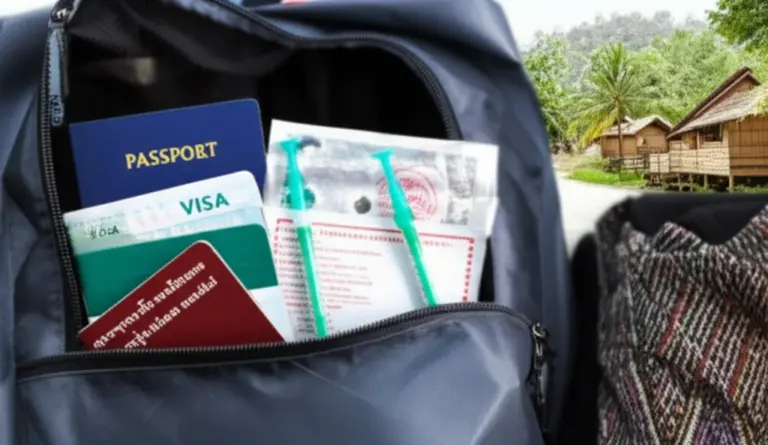
Many short-term volunteers mistakenly enter Laos on a 30-day tourist visa (Visa on Arrival or E-Visa). While convenient, this visa explicitly prohibits employment or work activity. For formal, long-term, or structured volunteer placements, you generally require a Non-Immigrant Visa (NI-B2), often sponsored by the organization you are working with. This process requires significant documentation and cooperation from the Lao host organization. Always insist on proper documentation to avoid legal issues, fines, or deportation.
- Passport valid for at least six months beyond your intended stay.
- Completed visa application form.
- Recent passport photos.
- Letter of Invitation/Sponsorship from the Lao volunteer organization (Crucial for NI-B2).
- Proof of onward or return travel.
Health and Safety: Essential Vaccines and Precautions
Health is paramount, especially when working in rural or remote areas. Consult a travel health specialist 4–6 weeks before departure to ensure all necessary immunizations are up-to-date. Your routine vaccines (MMR, DPT) should be current.
Mandatory and Recommended Vaccines
| Vaccine | Recommendation | Reason |
|---|---|---|
| Hepatitis A & B | Highly Recommended | Transmitted through contaminated food or water (A) and bodily fluids (B). |
| Typhoid | Highly Recommended | Common in areas with poor sanitation and hygiene. |
| Rabies | Recommended (High-Risk) | Essential if working with animals or in remote areas with limited medical access. |
| Japanese Encephalitis | Recommended (Seasonal/Rural) | Mosquito-borne disease prevalent during the rainy season. |
Dealing with Mosquito-Borne Illnesses
Malaria and Dengue Fever are risks, particularly outside major cities. Use high-DEET insect repellent, sleep under mosquito nets, and wear long sleeves and trousers at dawn and dusk. Carry a comprehensive first-aid kit, including anti-diarrheal medication, and consider prophylactic anti-malarial medication if advised by your doctor.
Bridging Communication Gaps: Lao Language Basics
While English is common in tourist hubs like Vientiane and Luang Prabang, learning basic Lao is crucial for effective volunteer work and deep cultural integration. Lao is a tonal language, meaning the inflection changes the meaning of a word, which can be challenging but rewarding.
Essential Phrases for Volunteers
- **Sabaidee (ສະບາຍດີ):** Hello/How are you? (Use with a gentle nod/bow.)
- **Khop Jai (ຂອບໃຈ):** Thank you. (Add ‘lai lai’ for ‘very much’.)
- **Khor Thod (ຂໍໂທດ):** Excuse me/Sorry.
- **Pai Sai? (ໄປໃສ?):** Where are you going? (Common friendly greeting.)
Making an effort to speak Lao, even poorly, shows immense respect and can open doors to deeper relationships with the local community, significantly enhancing your volunteer placement.
Respecting Tradition: Cultural Etiquette in Laos
Lao culture is deeply rooted in Theravada Buddhism and traditional values. Adhering to local customs is non-negotiable for any visitor, especially volunteers who are integrated into daily life. Respectful behavior ensures you maintain good rapport and avoid unintentional offense.
The Rules of Head and Feet
The head is considered the most sacred part of the body, and the feet the lowest and dirtiest. Never touch a Lao person’s head, even a child’s. When sitting, ensure the soles of your feet do not point towards people, religious objects (like a Buddha statue), or homes. Always remove your shoes before entering a private home, temple, or sometimes even a local shop or office.
Interacting with Monks and the Dress Code
- **Monks:** Women should never touch a monk or hand anything directly to them. If you must pass something, place it on the ground or a table for the monk to retrieve. Stand back respectfully if monks are passing.
- **Wai (Nop):** The traditional Lao greeting involves pressing your hands together in a prayer-like gesture (the *nop* or *wai*). The higher the hands are held (up to the nose), the greater the respect shown.
- **Modesty:** Dress conservatively, especially when volunteering or visiting temples. Shoulders and knees should be covered. Avoid public displays of affection.
Conclusion: Making Your Volunteer Experience Impactful
Preparing for Volunteer Work in Laos goes far beyond packing a bag. It involves legal diligence regarding visas, proactive health measures, basic language acquisition, and a genuine commitment to cultural sensitivity. By mastering these four areas, you ensure your time in Laos is not only rewarding for you but also ethical and beneficial for the communities you serve. Embrace the quiet charm of Laos, be patient, and always lead with respect.
คำถามที่พบบ่อย (FAQ)
References
- Lao Ministry of Foreign Affairs: Official Visa Information
- CDC Travel Health Notices for Laos: Vaccination Recommendations
- Guide to Lao Cultural Etiquette: Laos Tourism Official Site