How to Prepare for a Sunset SUP Session: Gear, Safety Tips, and Local Regulations
Watching the sun dip below the limestone karsts of Vang Vieng or the golden stupas of Luang Prabang from the middle of a river is a quintessential Laos experience. A sunset SUP session offers a unique perspective on the country’s natural beauty, blending tranquility with a touch of adventure. However, paddling as daylight fades requires more preparation than a midday excursion. To ensure your experience is as safe as it is breathtaking, you need to consider specific gear, environmental factors, and the unique regulations governing Laotian waterways.
Essential Gear for a Sunset SUP Session
When the sun goes down, visibility becomes your primary concern. Standard paddleboarding gear is a baseline, but sunset-specific items are non-negotiable for safety. Here is what you should have in your kit:
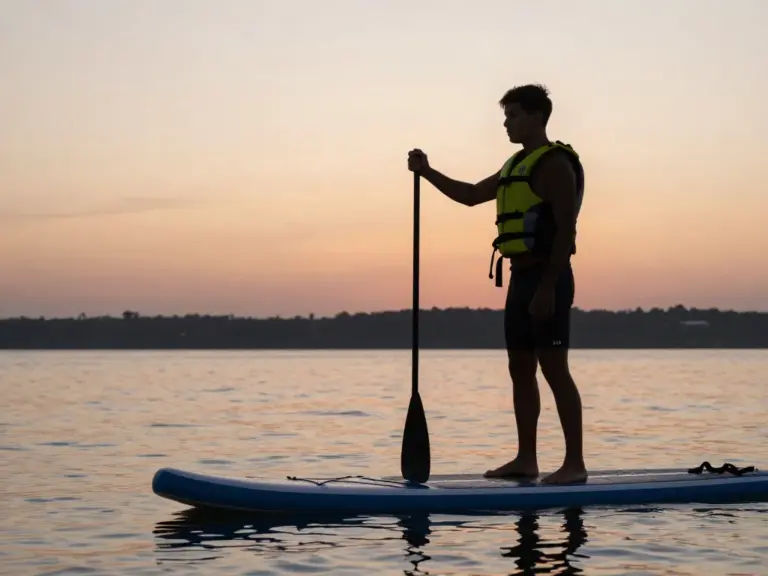
- Waterproof Lighting: In many regions, including Laos, it is a legal requirement to have a white light source after dark. A waterproof headlamp or a 360-degree white light attached to the tail of your board is essential.
- Safety Leash: Never paddle without a leash, especially at dusk. If you fall, the wind or current can quickly separate you from your board, which is your primary flotation device.
- Personal Flotation Device (PFD): Even if you are a strong swimmer, a PFD is mandatory. In Laos, local authorities often require tourists to wear life jackets during water activities on the Mekong and Nam Song rivers.
- Dry Bag: For your phone (to track GPS or call for help), a light jacket (as temperatures drop after sunset), and a small first-aid kit.
Safety Tips for Paddling into the Twilight
A successful sunset SUP session relies on proactive safety measures. The transition from light to dark can be disorienting, making it harder to spot obstacles like submerged logs or fishing nets, which are common in the Mekong River.
1. Plan Your Route in Advance
Familiarize yourself with the area during daylight hours. Identify your launch and exit points clearly. Landmarks look different in the dark, so choose exit points with distinct features or lights.
2. Monitor the Weather and Wind
Wind often changes direction at sunset as the land cools. Ensure you are not paddling against a strong headwind on your return journey when you are likely to be more fatigued.
3. The Buddy System
Never paddle alone at night. Having a partner ensures that if someone falls or encounters a mechanical issue with their board, there is immediate assistance available. Stay within earshot of each other.
Local Regulations for Water Sports in Laos
Laos has specific guidelines to manage tourism on its waterways. In Vang Vieng, for instance, there are designated zones for tubing, kayaking, and SUP to avoid collisions with motorized longtail boats. Most local regulations stipulate that water activities must conclude shortly after sunset unless accompanied by a licensed guide.
| Location | Key Regulation | Recommended Exit Time |
|---|---|---|
| Vang Vieng (Nam Song) | Life jackets mandatory; avoid boat channels. | 18:30 (Dusk) |
| Luang Prabang (Mekong) | Yield to large slow-boats and ferries. | 18:45 (Dusk) |
| Si Phan Don (4,000 Islands) | Strictly no paddling near waterfall drops. | 18:15 (Dusk) |
คำถามที่พบบ่อย (FAQ)
What is the best time to start a sunset SUP session in Laos?
Generally, you should launch about 45 to 60 minutes before the official sunset time. This gives you enough time to reach a scenic spot and settle in before the colors peak.
Do I need a permit to paddleboard on the Mekong River?
Individual tourists usually do not need a specific permit for recreational SUP, but you must adhere to local safety rules and wear a life jacket. It is highly recommended to go through a registered tour operator.
What should I do if I get caught in the dark?
If you lose light, stay calm. Switch on your white light or headlamp immediately. Paddle slowly toward the nearest shore that you recognize, and stay away from the middle of the river where motorized boats travel.
Is the water in Laos safe for paddleboarding?
The water is generally safe, but currents can be deceptive. In the rainy season (June-October), rivers flow much faster and carry debris. Always check local conditions with your guesthouse or rental shop.
References
- Official Laos Tourism Portal
- Water Safety and Adventure Guidelines for Laos
- Global SUP Safety Standards for Night Paddling