Best Time to Start and How to Get There: Sunrise tips, transportation options to Vang Vieng, where to park or dock for a day trip, and choosing the right season for clear views and safety
- Best Time to Start and How to Get There: Sunrise tips, transportation options to Vang Vieng, where to park or dock for a day trip, and choosing the right season for clear views and safety
Vang Vieng, once a notorious party hub, has transformed into Laos’ premier adventure capital. Nestled amidst dramatic limestone karsts and the winding Nam Song River, it offers some of the most breathtaking landscapes in Southeast Asia. To truly experience its magic—especially the ethereal morning mist clinging to the mountains—planning your logistics is essential. This guide covers everything from the best sunrise viewpoints to the most efficient transportation options to Vang Vieng, ensuring your trip is safe, scenic, and seamless.
The Golden Hour: Sunrise Tips for Vang Vieng
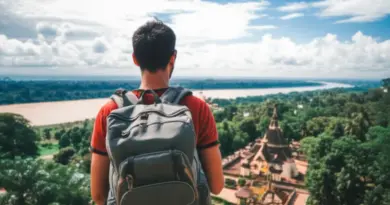
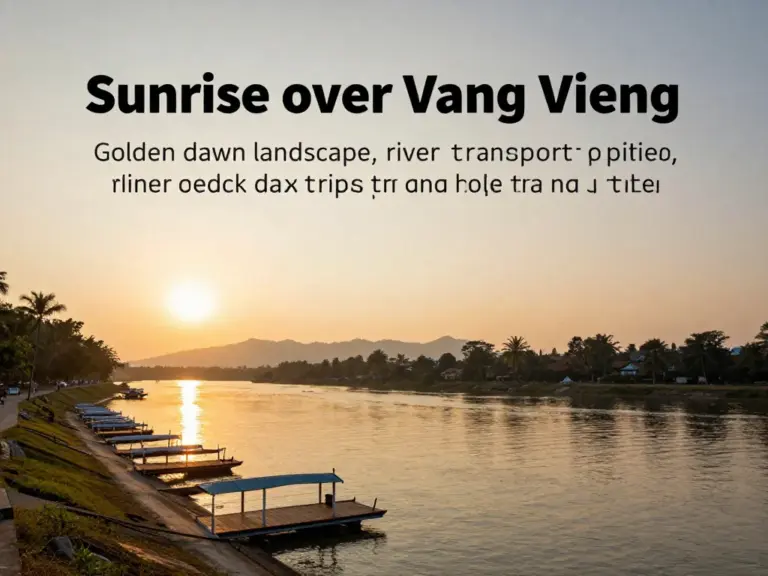
To witness the best sunrise, you must be prepared to start early—typically around 5:00 AM. The most iconic spot is the Nam Xay Top View. The hike is steep and can be slippery, so wearing sturdy footwear is non-negotiable. Reaching the summit rewards you with a 360-degree view of the valley, often punctuated by hot air balloons drifting through the morning light. Another excellent option is the Pha Ngern Viewpoint, which offers a slightly different perspective of the karst formations.
Transportation Options to Vang Vieng
Getting to Vang Vieng has become significantly easier in recent years thanks to infrastructure improvements. Depending on your budget and time, here are the primary transportation options to Vang Vieng:
- LCR High-Speed Train: The fastest way to travel from Vientiane or Luang Prabang. The journey from Vientiane takes only about an hour. Tickets should be booked in advance via the LCR Ticket app or a local agent.
- Minivan or Express Bus: For those on a budget, minivans depart regularly from Vientiane. While slower than the train (taking about 2-3 hours via the expressway), they offer door-to-door service from many hotels.
- Private Car: The most flexible option, allowing for stops along the scenic route. This is ideal for groups or families.
| Mode | Duration | Approx. Cost | Best For |
|---|---|---|---|
| High-Speed Train | 1 Hour | $10 – $15 | Speed & Comfort |
| Minivan | 2.5 Hours | $7 – $10 | Budget travelers |
| Private Transfer | 2 Hours | $60 – $80 | Groups & Flexibility |
Where to Park or Dock for a Day Trip
If you are visiting Vang Vieng as part of a road trip or arriving by boat along the Nam Song, knowing where to station yourself is key. Most day-trippers park near the Vang Vieng Walking Street or the central market area. If you are exploring the lagoons (Blue Lagoon 1, 2, or 3), each site has dedicated, secure parking areas for motorbikes and cars. For those arriving by river, the main docking points are located near the Namsong Bridge, where several riverside cafes and guesthouses provide easy access to the town center.
Choosing the Right Season for Views and Safety
The quality of your views and your overall safety depend heavily on the season. Laos has two distinct seasons: the dry season and the wet season.
The Dry Season (November to April)
This is the peak tourist season. The weather is cool and dry from November to February, offering the clearest views of the mountains. However, be aware of the “burning season” in March and April, when agricultural smoke can significantly reduce visibility and air quality.
The Wet Season (May to October)
While the landscape is incredibly lush and green, the wet season brings challenges. Hiking trails become muddy and dangerous, and the Nam Song River can swell, making tubing or kayaking risky. If you visit during this time, always check local weather reports before heading out on an adventure.
คำถามที่พบบ่อย (FAQ)
How do I book the high-speed train to Vang Vieng?
You can book tickets through the LCR Ticket mobile app, at the train station (up to 3 days in advance), or via travel agencies in Vientiane or Luang Prabang.
Is it safe to drive a motorbike in Vang Vieng?
Yes, but exercise caution. The roads leading to the Blue Lagoons can be unpaved and rocky. Always wear a helmet and ensure you have travel insurance that covers motorbike use.
What is the best month for photography in Vang Vieng?
December and January are ideal. The air is crisp, the skies are generally blue, and the rice paddies are often still vibrant before the harvest.
Are there entrance fees for the viewpoints?
Yes, most viewpoints like Nam Xay and Pha Ngern charge a small maintenance fee, typically around 10,000 to 20,000 LAK ($0.50 – $1.00).
References
Official Laos Tourism Website
Lonely Planet Vang Vieng Guide
- Sunrise to Sunset in Vang Vieng: The Ultimate One-Day Scenic Circuit Itinerary and Travel Guide
- Morning Highlights and Must-See Viewpoints: Top sunrise spots, easy hikes and viewpoints (Phou Kham, Pha Ngern), what to pack, photography tips, and estimated time allocation
- Midday Activities and Local Eats Along the Route: Recommended cave visits, river viewpoints, local restaurants and markets, sample lunch stops, and food safety/taste expectations