What Is Wat Phu Champasak? History, UNESCO Status, and Cultural Significance
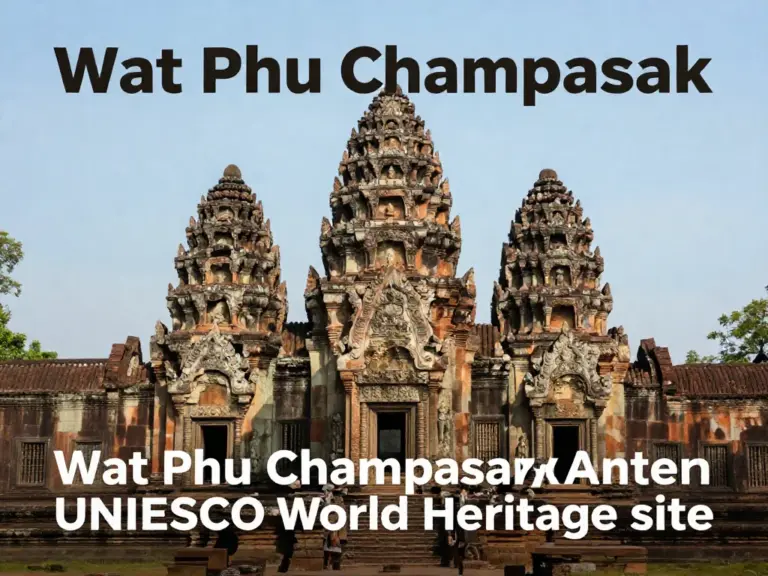
If you are planning a trip to Southern Laos, you have likely encountered the name Wat Phu. But What Is Wat Phu Champasak, and why does it captivate travelers and historians alike? Nestled at the base of Mount Phou Khao, this magnificent ruined Khmer Hindu temple complex serves as a profound testament to the region’s ancient spiritual and architectural heritage. Often compared to the grandeur of Angkor Wat in Cambodia, Wat Phu offers a more intimate, serene, and equally breathtaking experience.
The History of Wat Phu Champasak
The origins of Wat Phu date back to the 5th century, though the majority of the structures visible today were constructed between the 11th and 13th centuries during the height of the Khmer Empire. Originally dedicated to the Hindu god Shiva, the site was later transformed into a Buddhist place of worship. The architectural layout reflects the Hindu concept of the universe, with the temple positioned to represent Mount Meru, the sacred home of the gods.
Walking through the site, visitors can observe distinct architectural styles that evolved over centuries. The main sanctuary, the nandi halls, and the intricate carvings of deities tell a story of a civilization deeply connected to the landscape and the divine.
UNESCO World Heritage Status
In 2001, UNESCO inscribed the Vat Phou and Associated Ancient Settlements within the Champasak Cultural Landscape as a World Heritage Site. This designation recognizes the site’s exceptional universal value. It is not just the temple itself that is protected, but the entire cultural landscape, which includes ancient settlements, water management systems, and the sacred mountain Phou Khao.
The preservation of this site is crucial because it illustrates the development of Southeast Asian architectural traditions, particularly the evolution of Khmer urban planning. The harmonious integration of man-made structures with the natural environment is a hallmark of this UNESCO-listed landmark.
Cultural Significance and Atmosphere
Beyond its historical and architectural value, Wat Phu remains a living site of worship. Every year during the full moon of the third lunar month (usually February), the temple hosts the Wat Phu Festival. This vibrant celebration brings together thousands of pilgrims who come to offer prayers, make merit, and participate in traditional festivities, including elephant processions and traditional Lao dance performances.
The atmosphere at Wat Phu is markedly different from other major tourist sites. It feels quiet, contemplative, and deeply spiritual. Surrounded by frangipani trees and the backdrop of the misty mountains, it offers a peaceful retreat for those looking to connect with the history of Laos.
Location and Travel Logistics
| Feature | Details |
|---|---|
| Location | Champasak Province, Southern Laos |
| Best Time to Visit | November to February (Cooler Season) |
| Nearby City | Pakse |
คำถามที่พบบ่อย (FAQ)
Is Wat Phu worth visiting compared to Angkor Wat?
Yes, absolutely. While smaller in scale, Wat Phu is less crowded and offers a unique, serene atmosphere that is often missing from larger, more commercialized sites. It provides a more intimate look at ancient Khmer architecture.
What is the best way to get to Wat Phu?
Most travelers fly into Pakse International Airport and then arrange a private taxi, tuk-tuk, or join a guided tour to travel the 40km south to the temple site. Motorbike rentals are also popular for those comfortable navigating local roads.
Do I need a ticket to enter Wat Phu?
Yes, there is an entrance fee for foreign visitors, which helps support the ongoing conservation and maintenance of this UNESCO World Heritage Site. You can purchase these tickets at the visitor center near the entrance.