What to See and Do on a Plantation: From Processing Methods and Cupping Sessions to Sustainable Practices
- What to See and Do on a Plantation: From Processing Methods and Cupping Sessions to Sustainable Practices
- The Journey Begins: Exploring the Plantation Landscape
- Deep Dive into Processing: From Cherry to Bean
- The Art of Taste: Mastering the Coffee Cupping Session
- Beyond the Bean: Sustainable Practices in Lao Plantations
- Essential Visitor Tips for Your Plantation Tour
- The Lasting Impression: Why Plantation Visits Matter
- คำถามที่พบบ่อย (FAQ)
For travelers venturing into the verdant heartlands of Southeast Asia, particularly the famed coffee regions of Laos like the Bolaven Plateau, a visit to a working plantation is an absolute must. Understanding What to See and Do on a Plantation goes far beyond simply admiring the scenery; it is an immersive educational journey into the lifeblood of specialty agriculture. This guide prepares you for an enriching experience, detailing everything from the complex science of bean processing to the critical role of sustainable practices in preserving this vital ecosystem for future generations of tourists and producers.
The Journey Begins: Exploring the Plantation Landscape
A plantation tour offers a panoramic view of the agricultural ecosystem. In Laos, you are likely to encounter vast fields dedicated to Arabica and Robusta varietals. Your guide will often start by explaining the microclimate—how altitude, soil composition (often rich volcanic soil), and shade canopy management directly influence the final cup quality. Look for established shade trees, which are crucial for slow cherry maturation and biodiversity.
Deep Dive into Processing: From Cherry to Bean
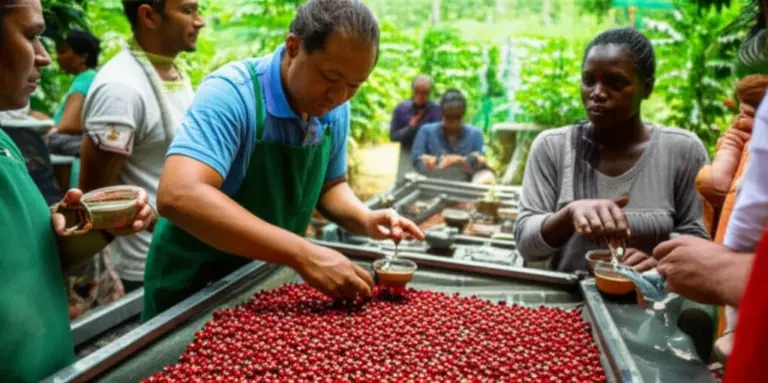
The transformation of the coffee cherry into a dried, green bean is arguably the most crucial step determining flavor profile. Different processing methods unlock vastly different characteristics in the final brew. Understanding these techniques is central to appreciating What to See and Do on a Plantation.
The Washed (Wet) Method Explained
The washed method involves removing the fruit pulp immediately after picking using water and friction (depulping machines). This requires significant water resources but results in a cleaner, brighter, and more acidic cup profile, often highlighting the inherent qualities of the bean itself.
The Natural (Dry) Method Advantage
In the natural method, the entire cherry is laid out to dry in the sun, often on raised beds. The fruit ferments around the bean, imparting heavy body, lower acidity, and distinct fruity or winey notes. This method is often more water-efficient, making it a sustainable choice in drier periods, though it requires meticulous turning to prevent mold.
The Art of Taste: Mastering the Coffee Cupping Session
No plantation visit is complete without participating in a coffee cupping session. This standardized tasting ritual allows you to evaluate the coffee based on objective criteria. You will learn to assess aroma, flavor, acidity, body, balance, and aftertaste. This is where the theoretical knowledge of processing meets tangible sensory experience.
| Attribute Assessed | What to Look For |
|---|---|
| Aroma (Dry/Wet) | Intensity and quality of scent before tasting. |
| Acidity | The pleasant sharpness or brightness (citrus, malic). |
| Body | The perceived weight or viscosity of the coffee on the tongue. |
To provide a visual aid for understanding the complexity of these agricultural processes, watch this overview of how different methods impact the final bean quality:
Beyond the Bean: Sustainable Practices in Lao Plantations
For the environmentally conscious traveler, understanding sustainability is key. Many Lao farms are shifting towards agroforestry models, integrating coffee cultivation with native trees. This mimics the natural forest environment, reducing erosion, improving soil health, and providing habitats for local wildlife.
Water Conservation and Waste Management
Sustainable operations focus heavily on minimizing water use, especially in wet processing. Look for evidence of water recycling systems or the adoption of dry-milling techniques where feasible. Furthermore, organic waste from pulping is often composted and returned to the fields, closing the nutrient loop. Supporting farms dedicated to these efforts ensures responsible tourism growth.
Essential Visitor Tips for Your Plantation Tour
To maximize your visit and ensure you understand What to See and Do on a Plantation fully, preparation is vital. Wear comfortable shoes suitable for uneven, sometimes muddy terrain. Be respectful of the workers and the farm’s operational schedule. Always ask permission before taking close-up photos of equipment or staff.
What to Bring Home
Purchasing beans directly from the farm is the best way to support the local economy and guarantee freshness. Look for single-origin lots that clearly state the processing method used. Many smaller farms offer unique micro-lots unavailable elsewhere.
The Lasting Impression: Why Plantation Visits Matter
Visiting a coffee or tea plantation in Laos connects you directly to the source of one of the world’s most beloved beverages. By engaging with the farmers, understanding the science of processing, and appreciating the commitment to sustainability, your travel experience becomes richer and more meaningful. This comprehensive understanding of the process is the true reward of exploring What to See and Do on a Plantation.
คำถามที่พบบ่อย (FAQ)
Q1: Is coffee grown in Laos mostly Arabica or Robusta?
A1: While both are grown, the famous coffee regions, especially the Bolaven Plateau, are renowned for high-quality Arabica, which thrives at higher altitudes.
Q2: What is the difference between a ‘wet’ and ‘dry’ processed coffee?
A2: Wet (washed) processing removes the fruit before drying, resulting in clean, acidic flavors. Dry (natural) processing dries the bean inside the whole fruit, leading to fruitier, heavier-bodied profiles.
Q3: How long does a typical plantation tour last?
A3: Most comprehensive tours, including processing demonstrations and cupping, last between 2 to 4 hours, depending on the size of the farm and the depth of the discussion.
Q4: Why are shade trees important on a coffee plantation?
A4: Shade trees moderate temperature, protect against harsh sun, reduce soil erosion, improve soil quality through leaf litter, and support local biodiversity, leading to slower, denser, higher-quality coffee cherries.