Top Plantations to Visit: Guided Tours, Tasting Experiences, and How to Book Local Coffee Tours
- Top Plantations to Visit: Guided Tours, Tasting Experiences, and How to Book Local Coffee Tours
Laos, often overlooked in the global coffee conversation, is rapidly emerging as a powerhouse of specialty beans. Nestled in the high-altitude volcanic soils of the south, the country offers an authentic, intimate journey for coffee aficionados. If you are planning your itinerary around the best agricultural experiences, understanding Laos Coffee Tours is essential. This guide details the must-visit plantations, the immersive tasting sessions available, and the practical steps needed to secure your spot on these unique local adventures.
The Rise of Lao Coffee: Why Visit the Bolaven Plateau?
The undisputed epicenter of Lao coffee production is the Bolaven Plateau, situated primarily within Champasak Province. This region benefits from rich, fertile volcanic soil, consistent rainfall, and elevations ranging from 1,000 to 1,350 meters—ideal conditions for cultivating high-quality Arabica beans. Unlike the heavily industrialized coffee sectors elsewhere, many farms here remain family-owned and operated, offering unparalleled opportunities for experiential tourism. To truly appreciate the quality, you must move beyond the standard cafe stop and engage directly with the source.
Essential Plantation Visits & Tour Highlights
When planning your Laos Coffee Tours, prioritizing farms that offer comprehensive educational experiences is key. While the plateau is dotted with hundreds of smallholders, several larger operations have formalized their visitor programs, ensuring a high-quality experience.
Top Recommended Stops for Coffee Enthusiasts
| Plantation Focus | Location Area | Key Experience |
|---|---|---|
| Organic Arabica Specialists | Near Paksé | Bean-to-cup processing demonstration |
| Traditional Processing Hubs | Bolaven Heartlands | Washed vs. Natural processing comparison |
| High-Altitude Micro-Lots | Southern Plateau Edges | Exclusive single-origin tasting |
Many farms welcome independent travelers, but structured tours often provide context that solo exploration misses. Look for signs indicating ‘Coffee Experience’ or inquire at your Paksé guesthouse for organized transport.
What to Expect from a Guided Coffee Tour
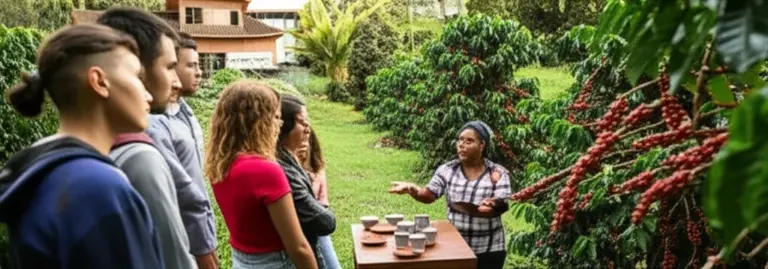
A truly comprehensive tour goes far beyond sipping a finished product. Expert guides illuminate the entire journey of the coffee cherry. This section is crucial for understanding the E-E-A-T behind the flavor profiles.
- Nursery and Cultivation: Learning about seedling selection, soil health, and the importance of shade trees (often fruit trees) in protecting the delicate Arabica plants.
- Harvesting Techniques: Observing selective hand-picking versus strip-picking, which directly impacts bean quality.
- Processing Methods: This is often the highlight. You will see the fermentation tanks and drying beds used for both the washed (cleaner flavor) and natural (fruitier flavor) methods.
- Roasting Demonstration: While large-scale roasting happens elsewhere, smaller farms often have micro-roasters where you can witness the Maillard reaction firsthand.
To provide a visual aid of the stunning scenery where these beans are grown, here is a look into the environment:
Mastering Your Laos Coffee Tours: Booking & Logistics
Securing your spot for the best Laos Coffee Tours requires a bit of planning, especially if you are traveling during the peak tourist season between November and February. Most local operators and larger plantations require advance notice for English-speaking guides.
Tips for Booking Local Experiences
While you can often hire a local motorbike taxi (a ‘tuk-tuk’) in Paksé to drive you around the plateau, booking through a reputable local tour agency ensures your chosen plantation is open and staffed for tours on your specific day. Always confirm if the tour price includes transportation from Paksé, as distances can be significant.
For those renting a scooter, navigation can be challenging on unpaved plateau roads. We highly recommend utilizing GPS coordinates shared by the tour operator. A map showing the general area is helpful:
Beyond the Bean: Unique Tasting Experiences
The final and most rewarding stage of any coffee tour is the tasting. Lao coffee is known for its smooth body and complex notes, often featuring chocolate, spice, or subtle fruit undertones, depending on the altitude and processing method.
Many plantations offer ‘cupping’ sessions, which is the professional method of evaluating coffee quality. This involves smelling the dry grounds, smelling the wet grounds, and then systematically slurping the brewed coffee to aerate it across the palate, allowing you to discern subtle flavors. This expert-led approach elevates the experience significantly. Don’t hesitate to ask the roaster about their specific roast profile—it tells you volumes about their commitment to quality and their understanding of the bean’s potential.
Visiting these farms is not just a tourist activity; it is a direct investment in the local Lao economy and a chance to support sustainable agricultural practices that protect this unique microclimate. By participating in organized Laos Coffee Tours, you ensure that your visit contributes positively to the future of this burgeoning specialty market. Enjoy the journey from cherry to cup amidst the beautiful landscapes of the Bolaven Plateau!
คำถามที่พบบ่อย (FAQ)
References
Lao Coffee Sector Overview, International Coffee Organization.
Guide to Coffee Farming in the Bolaven Plateau, Specialty Coffee Association Laos Chapter.