Coffee Culture on the Bolaven Plateau: Plantations You Can Visit and What to Expect
- Coffee Culture on the Bolaven Plateau: Plantations You Can Visit and What to Expect
Nestled in the southern reaches of Laos, the Bolaven Plateau is more than just a geographical region; it is the beating heart of Lao specialty coffee production. For seasoned travelers and casual tourists alike, understanding the Coffee Culture on the Bolaven Plateau offers a unique gateway into the local economy and agricultural heritage. This high-altitude region, known for its rich red basaltic soil and consistent rainfall, produces beans that are increasingly recognized globally. This guide will take you through the must-visit plantations and set clear expectations for your immersive coffee journey near Paksé.
The Geography of Flavor: Why the Bolaven Plateau Excels
The success of Lao coffee is intrinsically linked to the unique terroir of the Bolaven Plateau. Spanning parts of Champasak, Salavan, and Sekong provinces, the plateau sits at an elevation generally ranging between 1,000 and 1,350 meters above sea level. This altitude is crucial, as it slows down the bean maturation process, leading to denser, more complex flavor profiles—a characteristic highly sought after in specialty coffee.
While the region also grows Robusta, particularly at lower elevations, it is the dedicated, often family-run Arabica farms that are driving Laos onto the world coffee map.
Essential Stops: Top Coffee Plantations to Visit
When touring the plateau, you have the choice between large, established estates and smaller, more intimate local farms. Each offers a different perspective on the Coffee Culture on the Bolaven Plateau.
Sinouk Coffee Estate: The Pioneer Experience
Sinouk is arguably the most famous name associated with Lao coffee tourism. They offer comprehensive tours that cover the entire process, from the cherry on the tree to the final roast. Expect professional facilities, detailed explanations, and an excellent opportunity to taste various roasts.
- Comprehensive processing display.
- On-site café with high-quality brews.
- Tours often require booking ahead.
Mr. K’s Coffee Farm (Local Immersion)
For a truly authentic glimpse, seek out smaller, local producers often found along the secondary roads branching off Route 16. These visits are less structured but offer direct interaction with the farmers. You might witness traditional washing methods or sample coffee brewed using local techniques. These experiences underscore the grassroots nature of the local coffee economy.
Chaleun Coffee Plantation
Chaleun often focuses heavily on sustainable and organic practices. Tours here tend to emphasize the environmental responsibility involved in coffee cultivation, showcasing natural shade management and water conservation techniques used in the region.
What to Expect on a Bolaven Coffee Tour
To maximize your experience, it helps to know the key stages you will likely witness. The tour flow generally follows the bean’s journey:
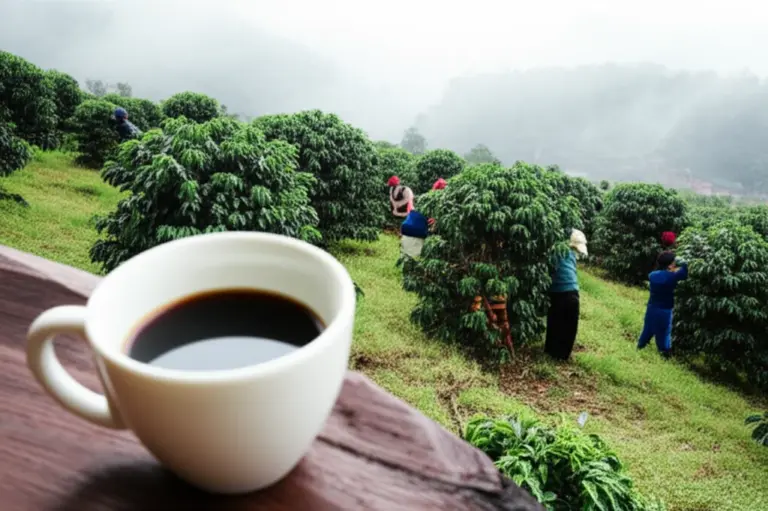
- Cultivation: Seeing the coffee trees, often intercropped with fruit trees like mangoes or bananas for natural shade.
- Harvesting: Depending on the time of year, you may see pickers selecting only the ripe red cherries by hand.
- Processing: Observing whether the farm uses the washed (wet) method, which yields cleaner flavors, or the natural (dry) method, which imparts deeper fruit notes.
- Drying & Roasting: Seeing the beans spread out on raised beds or patios, followed by small-batch roasting demonstrations.
- Cupping/Tasting: The rewarding conclusion where you compare different origins and roasts.
When tasting, note the subtle acidity and chocolatey or nutty undertones common in high-quality Lao coffee. This immersion is central to appreciating the authentic Coffee Culture on the Bolaven Plateau.
Beyond the Bean: Integrating Coffee Culture with Plateau Sightseeing
The Bolaven Plateau is famous for its stunning waterfalls, and savvy travelers combine these natural wonders with their coffee exploration. The plateau’s loop road makes this easy!
For instance, after a morning tasting at a farm near Paksé, consider driving towards Tad Yuang or the spectacular Tad Fane twin waterfalls. Many smaller coffee stalls are set up near these attractions, offering a quick, cheap cup of locally brewed java to enjoy while taking in the view. This juxtaposition of agricultural industry and raw natural beauty is what makes the region so unique.
| Attraction Type | Recommended Activity |
|---|---|
| Coffee Farm | Full processing tour & tasting |
| Waterfall (e.g., Tad Yuang) | Picnic lunch with local coffee |
| Paksé City | Visit morning markets for green bean purchases |
Planning Your Coffee Adventure in Southern Laos
Logistics are key to enjoying the plateau. Most coffee tours start from Paksé, the regional hub. Renting a motorbike is the most popular, flexible, and cost-effective way to navigate the plateau loop, though guided van tours are available for larger groups or those less comfortable driving.
Best Time to Visit: The cool, dry season (November to March) is ideal. This coincides with the harvest and processing period, meaning you are most likely to see the action firsthand. Visiting during the wet season (May to October) means greener scenery but fewer active processing sites.
To truly embrace the Coffee Culture on the Bolaven Plateau, consider staying overnight in one of the small guesthouses located along the loop rather than commuting daily from Paksé. This allows for slower travel and deeper engagement with the local communities dedicated to this incredible crop.
คำถามที่พบบ่อย (FAQ)
References
World Coffee Research Overview
ASEAN Tourism Official Site