Why Choose a Mekong Cruise? Understanding Routes, Cultures, and Best Times to Travel
- Why Choose a Mekong Cruise? Understanding Routes, Cultures, and Best Times to Travel
- The Allure of the Mekong: A Journey Through Southeast Asia’s Lifeline
- Essential Mekong Cruise Routes: Upper vs. Lower
- Unparalleled Cultural Immersion and Local Connection
- Timing Your Adventure: Best Seasons for a Mekong Cruise
- Planning Your Laos Tourism Experience
- Conclusion: The Unforgettable River Journey
- คำถามที่พบบ่อย (FAQ)
Choosing a Mekong Cruise is not merely selecting a vacation; it is opting for an immersive journey into the soul of Southeast Asia. The Mekong River, often called the ‘Mother of Waters,’ flows through six countries, acting as a vital artery that sustains millions. For those focused on Laos Tourism, the river offers unparalleled access to remote villages, ancient temples, and stunning landscapes that are inaccessible by road. This guide details the compelling reasons to choose this voyage, clarifies the distinct routes, explores the cultural depth you will encounter, and pinpoints the optimal times for your travel.
The Allure of the Mekong: A Journey Through Southeast Asia’s Lifeline
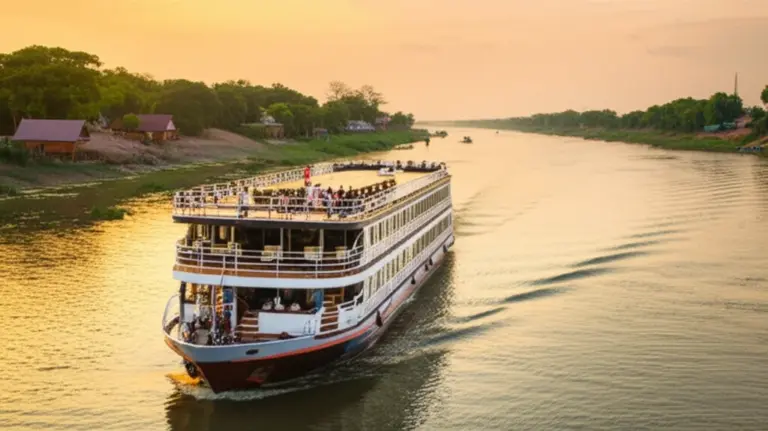
Unlike ocean liners or conventional land tours, a Mekong Cruise provides a slow, deliberate pace that allows travelers to truly connect with the environment and its people. The river acts as a moving window, presenting daily life unfolding on its banks—fishermen casting nets, children playing, and farmers tending fields. This perspective offers a profound understanding of the region’s dependence on the water. Furthermore, the convenience of unpacking once while visiting multiple, diverse locations—from bustling Vietnamese markets to the serene Laotian temples—makes the Mekong Cruise a superior choice for comprehensive regional exploration.
Essential Mekong Cruise Routes: Upper vs. Lower
The experience varies dramatically depending on whether you choose the Upper or Lower Mekong route. Understanding these differences is crucial for tailoring your trip to your interests, especially if Laos Tourism is your primary focus.
The Upper Mekong (Laos & Golden Triangle)
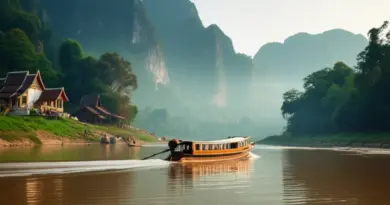
The Upper Mekong stretches primarily through Laos and Thailand, linking Chiang Rai/Chiang Khong to the UNESCO World Heritage city of Luang Prabang. This section is characterized by stunning, mountainous scenery, narrow gorges, and swift currents. Cruises here tend to be shorter (2 to 4 days) and focus heavily on remote village visits and untouched natural beauty. This route is ideal for adventurous travelers seeking tranquility and a deep dive into Laotian culture, far from the mass tourist routes. Stops often include the Pak Ou Caves and various ethnic minority settlements.
The Lower Mekong (Vietnam & Cambodia)
The Lower Mekong flows through the fertile deltas of Vietnam and Cambodia, connecting bustling Ho Chi Minh City (via the delta) with Phnom Penh and Siem Reap (via Tonle Sap Lake, seasonally). These cruises are typically longer (7 to 14 days) and focus on historical sites (like Angkor Wat, accessed from Siem Reap) and vibrant river life, including floating markets. While offering incredible sights, this route is distinct from the quiet, mountainous appeal of the Laos section.
Unparalleled Cultural Immersion and Local Connection
One of the greatest advantages of a Mekong Cruise is the opportunity for genuine cultural immersion. Cruise lines often coordinate with local communities to provide authentic experiences, such as:
- **Alms Giving in Luang Prabang:** Witnessing the daily morning ritual of monks collecting alms, a spiritual centerpiece of Laotian life.
- **Temple Visits:** Accessing remote, centuries-old temples and learning about Theravada Buddhism directly from local guides.
- **Village Encounters:** Visiting remote hill tribe villages in Laos, observing traditional crafts, and understanding their unique ways of life, often including weaving or rice wine production.
- **Cooking Classes:** Participating in on-board or local cooking demonstrations focused on regional Lao, Khmer, or Vietnamese cuisine.
Timing Your Adventure: Best Seasons for a Mekong Cruise
The quality and feasibility of your cruise are heavily dependent on the season, as the Mekong’s water levels fluctuate dramatically. Choosing the right time ensures the best possible experience, particularly when traversing the more challenging Upper Mekong route near Laos.
| Season | Months | Water Level & Conditions | Ideal For |
|---|---|---|---|
| **Peak/Dry Season** | November – February | Low water, cool temperatures. Excellent visibility. | Optimal cruising conditions, comfortable climate. *High demand.* |
| **Hot Season** | March – May | Very low water, high temperatures (35°C+). | Fewer crowds, but potential route limitations on the Upper Mekong. |
| **Wet/Green Season** | June – October | High water, lush landscapes. Occasional heavy rain. | Best for accessing Tonle Sap Lake (Lower Mekong) and lush greenery. |
High Water Season (May to October)
During the monsoon season, the river swells, transforming the landscape into a vibrant, emerald green. While rain showers are common, they are usually brief. High water levels ensure that all routes, including those leading into the Tonle Sap Lake near Angkor Wat, are fully navigable. For Laos Tourism, the high water makes the Upper Mekong easier to navigate for larger vessels, though some smaller, remote landing points might be submerged.
Dry Season (November to April)
The period from November to February is generally considered the best time for a Mekong Cruise. Temperatures are mild, skies are clear, and the chances of rain are minimal. While water levels are lower, most luxury vessels are designed to handle these conditions on the primary routes. The low water on the Upper Mekong in March and April can sometimes necessitate transfers to smaller boats or slight route adjustments, but the weather remains excellent for sightseeing and land excursions.
Planning Your Laos Tourism Experience
If Laos is your main destination, prioritize cruises that specifically cover the Upper Mekong between the Thai border (Huay Xai) and Luang Prabang. These routes offer the most authentic glimpses into traditional Laotian life. Ensure your chosen cruise line focuses on sustainable tourism practices, respecting the local communities you visit. Many cruises dedicated to the Laos segment are smaller, more intimate vessels, providing a higher level of personalized service and flexibility for remote docking.
Conclusion: The Unforgettable River Journey
A Mekong Cruise offers a rich tapestry of experiences—from the spiritual serenity of Luang Prabang to the bustling vibrancy of the delta. By understanding the distinct characteristics of the Upper and Lower routes, and planning your travel around the optimal dry season, you ensure an unforgettable journey that combines luxury, education, and deep cultural connection. It remains the quintessential way to appreciate the immense scale and profound cultural heritage of Southeast Asia.
คำถามที่พบบ่อย (FAQ)
**Q: What is the difference between the Upper and Lower Mekong cruises?**
A: The Upper Mekong (Laos/Thailand) is characterized by mountainous, wilder scenery and focuses on remote ethnic villages and natural beauty. The Lower Mekong (Vietnam/Cambodia) features flat, delta landscapes, historical sites (like Angkor Wat access), and large floating markets.
**Q: When is the best time to book a Mekong Cruise?**
A: The peak season is the dry, cool period between November and February. Booking 6 to 12 months in advance is recommended, especially for popular luxury cruises on the Lower Mekong and specialized itineraries in Laos.
**Q: How long does a typical Mekong cruise last?**
A: Cruises on the Upper Mekong (Laos) typically last 2 to 4 days. Comprehensive cruises covering the Lower Mekong (Vietnam to Cambodia) usually range from 7 to 14 days, often including pre- or post-cruise land extensions.
**Q: Are Mekong cruises suitable for children?**
A: While most luxury cruises cater primarily to adults, many lines accommodate older children (10+) who are interested in history and culture. The slower pace and numerous daily excursions can be highly engaging, but infants and toddlers may find the itinerary challenging.
References
Mekong Tourism Coordinating Office
UNESCO World Heritage Centre – Luang Prabang
World Wildlife Fund – Mekong Region
- Mekong River Cruises: From Slow Boats to Luxury Journeys — The Ultimate Guide to Planning, Choosing and Experiencing a Mekong Cruise
- Types of Mekong Cruises Explained: Slow Boats, Riverboats, Small Ships and Luxury Liners (What to Expect on Each)
- Planning Your Mekong Itinerary: Ports of Call, Visa Requirements, River Conditions and Budgeting Tips