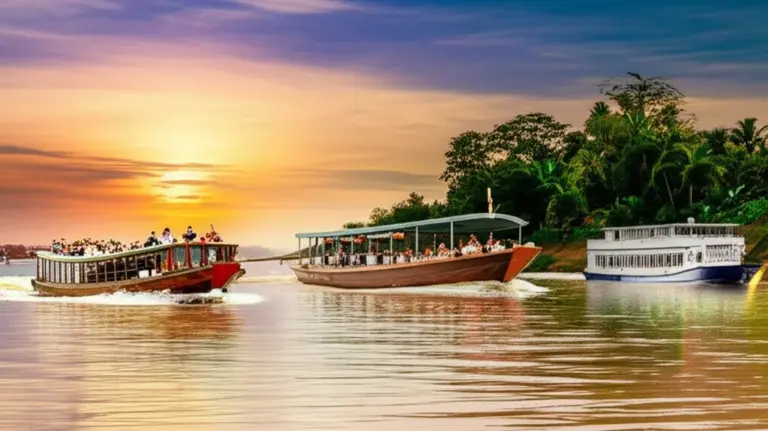
Types of Mekong Cruises Explained: Slow Boats, Riverboats, Small Ships and Luxury Liners (What to Expect on Each)
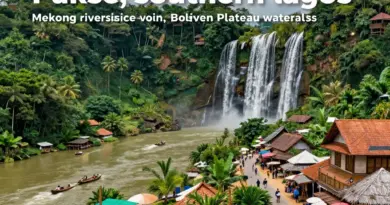
The Mekong River, the lifeblood of Southeast Asia, offers one of the most unforgettable travel experiences on Earth. Stretching over 4,000 kilometers, it connects six countries, providing diverse cruising opportunities. For visitors prioritizing Laos tourism, understanding the different vessel options is crucial for planning the perfect journey. The decision hinges on understanding the distinct Types of Mekong Cruises Explained, ranging from rustic local transport to opulent floating hotels. This guide breaks down the four primary categories of Mekong vessels and details what travelers can expect from each.
The Four Main Types of Mekong Cruises Explained
When navigating the Mekong, especially through the stunning landscapes of Northern Laos, your choice of boat will define your pace, comfort level, and interaction with local life. Here are the four primary types of vessels you will encounter.
1. The Essential Slow Boat (Budget & Authenticity)
The slow boat is perhaps the most iconic way to travel the Upper Mekong between Huay Xai (bordering Thailand) and Luang Prabang, a cornerstone of Laos tourism. These are generally long, narrow wooden boats designed for local transport.
- Capacity & Atmosphere: Seating is typically plastic chairs or repurposed benches, often crowded with both travelers and locals. The atmosphere is communal and rustic.
- Duration: The journey usually takes two full days, with an overnight stop in the small town of Pakbeng.
- Expectations: Minimal comfort, basic toilet facilities, and limited food/drink available for purchase (it’s wise to bring your own snacks). This option maximizes immersion and minimizes cost.
2. Traditional Riverboats (Comfortable Mid-Range)
These riverboats offer a significant upgrade from the slow boat experience while still remaining accessible. Often utilized for shorter, tailored excursions or slightly more comfortable two-day journeys, they balance cost and convenience.
3. Small Expedition Ships (Upper Mekong Exploration)
Small expedition ships are the backbone of organized, multi-day cruising on the Upper Mekong, particularly in the Golden Triangle region (Thailand, Laos, Myanmar). These vessels are designed to handle the shallower, more volatile waters of the northern river stretches.
- Accommodation: Private, comfortable cabins (often with en-suite bathrooms), air conditioning, and full-service dining rooms.
- Routes: They often traverse more remote areas, linking destinations like Chiang Saen (Thailand), Luang Prabang (Laos), and sometimes extending into China or Myanmar, offering true expedition-style travel.
- Activities: Guided shore excursions, cultural lectures, and opportunities to visit remote tribal villages are standard.
4. Luxury Liners (5-Star Experience)
The largest and most opulent vessels—true Luxury Liners—are almost exclusively found operating on the Lower Mekong, primarily between Vietnam’s Mekong Delta and Cambodia’s Siem Reap/Phnom Penh. Due to the shallow and fast-flowing nature of the river in Laos, these large ships cannot operate there.
These liners are comparable to small ocean cruise ships, offering unparalleled service and amenities.
- Amenities: Often include swimming pools, spas, fitness centers, multiple restaurants, and private balconies for every cabin.
- Service: Highly personalized, all-inclusive service with gourmet dining and expert guides.
- Focus: Cultural deep dives into Vietnamese and Cambodian history, particularly relating to the Khmer Rouge era and the floating markets of the Delta.
Choosing Your Mekong Adventure: Key Considerations
To select the best cruise, consider where you want to go and what kind of experience you prioritize.
Route Focus: Upper vs. Lower Mekong
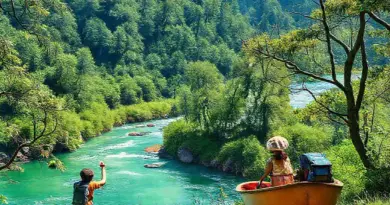
The geography dictates the vessels available. The Upper Mekong (Laos and Northern Thailand) is characterized by dramatic mountains, dense jungle, and isolated villages. This is the domain of slow boats, traditional riverboats, and small expedition ships. The Lower Mekong (Cambodia and Vietnam) is wider, slower, and more agricultural, accommodating the large luxury liners.
| Vessel Type | Typical Region | Comfort Level | Price Point (per day) |
|---|---|---|---|
| Slow Boat | Upper Mekong (Laos) | Basic/Rustic | Budget ($10 – $30) |
| Traditional Riverboat | Upper Mekong / Short Excursions | Mid-range | Mid-range ($50 – $150) |
| Small Expedition Ship | Upper Mekong (Expedition Routes) | High | Premium ($250 – $500+) |
| Luxury Liner | Lower Mekong (Vietnam/Cambodia) | Luxury/5-Star | Luxury ($400 – $1000+) |
Duration and Pace
If time is limited, a traditional riverboat offering a day trip might suffice. If you seek deep cultural immersion and remote exploration, a 5- to 10-day expedition on a small ship is ideal. The slow boat, despite its name, is a fixed two-day transit that is essential for many backpackers traversing the Golden Triangle into the heart of Laos.
คำถามที่พบบ่อย (FAQ)
Here are some frequently asked questions regarding the Types of Mekong Cruises Explained and what to expect on your trip.
What is the best time of year for a Mekong cruise?
The best time is generally the dry season, from November to February, when temperatures are cooler and the river level is stable. Cruises operate year-round, but water levels can be very low during April and May (making Upper Mekong travel difficult) or very high during the peak rainy season (July to September).
Do Mekong cruises operate on the Upper Mekong in Laos?
Yes, the Upper Mekong in Laos is a major cruising area. While large luxury liners cannot navigate these waters, slow boats, traditional riverboats, and especially small, purpose-built expedition ships offer multi-day journeys between the Thai border, Luang Prabang, and sometimes Vientiane.
What is the typical duration of a Slow Boat journey?
The classic Slow Boat journey from Huay Xai to Luang Prabang is always split over two days, with travelers required to stop overnight in the halfway town of Pakbeng. Each day involves approximately 6 to 8 hours of cruising.
References
- Mekong River Cruises: From Slow Boats to Luxury Journeys — The Ultimate Guide to Planning, Choosing and Experiencing a Mekong Cruise
- Why Choose a Mekong Cruise? Understanding Routes, Cultures, and Best Times to Travel
- Planning Your Mekong Itinerary: Ports of Call, Visa Requirements, River Conditions and Budgeting Tips