Why Ride the Thakhek and Pakse Motorbike Loops? Choosing the Best Time, What to Expect on Road Conditions, and Must-See Attractions
- Why Ride the Thakhek and Pakse Motorbike Loops? Choosing the Best Time, What to Expect on Road Conditions, and Must-See Attractions
The Allure of the Laos Motorbike Loops
Laos, a landlocked nation defined by rugged mountains and the mighty Mekong River, offers some of Southeast Asia’s most rewarding self-guided adventures. For tourism focused on raw nature and cultural immersion, the two major motorbike circuits—the Thakhek Loop in the central region and the Pakse Loop in the south—stand out as essential experiences. Both loops are designed for travelers seeking freedom, offering a chance to meet local villagers, sleep in guesthouses, and witness breathtaking scenery at their own pace.
Introduction to the Thakhek Loop
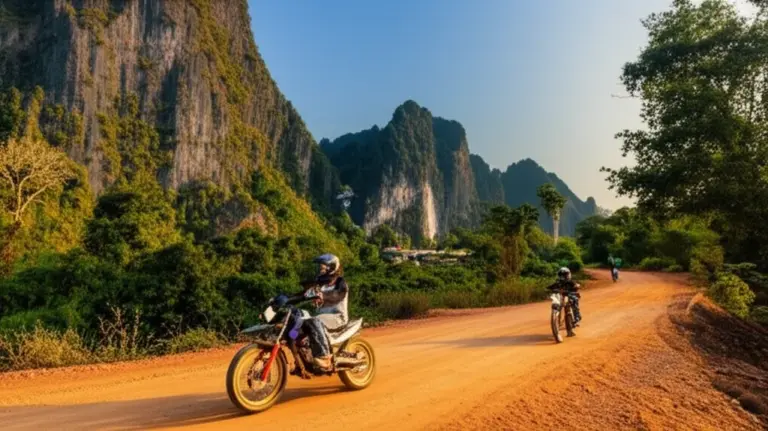
The Thakhek Loop, typically a 450 km circuit taking 3 to 4 days, is famed for its dramatic limestone karst topography. This geological marvel creates a landscape riddled with vast caves and hidden lagoons. Starting and ending in Thakhek town, the loop offers a challenging yet incredibly rewarding ride, culminating in the magnificent Kong Lor Cave, a 7.5 km long river cave navigated by long-tail boat. This route is ideal for those who prioritize unique geological features and a sense of rugged exploration.
Introduction to the Pakse Loop (Bolaven Plateau)
The Pakse Loop, located in the southern province of Champasak, centers around the high-altitude Bolaven Plateau. This region is geographically and climatically distinct, known for its cool temperatures, fertile volcanic soil, and abundance of spectacular waterfalls. The loop (which can range from 200 km to 500 km depending on the route chosen) is often focused on exploring Laos’ finest coffee and tea plantations, making it a smoother, more culturally focused ride compared to its northern counterpart. Travelers often spend 3 to 5 days here, exploring towering cascades like Tad Fane and Tad Yuang.
Choosing Your Adventure: Thakhek vs. Pakse
Deciding between the two loops depends entirely on your travel preferences. If you crave geological wonder, remote villages, and a slightly more challenging ride, Thakhek is the clear winner. If your interests lean towards cascading waterfalls, lush greenery, high-quality local produce (coffee), and generally better road surfaces, the Pakse Loop is highly recommended. Many seasoned travelers attempt both to experience the full spectrum of Laotian scenery.
| Feature | Thakhek Loop (Central) | Pakse Loop (South) |
|---|---|---|
| Primary Attraction | Limestone Karsts & Kong Lor Cave | Waterfalls & Coffee Plantations |
| Road Difficulty | Moderate to High (Sections of gravel/dirt) | Easy to Moderate (Mostly paved) |
| Atmosphere | Rugged, remote, adventurous | Lush, cool, agricultural, relaxed |
Best Time to Ride: Seasonality in Laos
Timing is crucial for enjoying the Thakhek and Pakse Motorbike Loops. Laos experiences a tropical monsoon climate with three distinct seasons, each impacting road conditions and overall visibility.
Dry Season (Ideal Conditions: November – March)
This is universally considered the best time to ride. Temperatures are mild, humidity is low, and critically, the roads—especially the unpaved sections of the Thakhek Loop—are dry and manageable. Waterfalls on the Pakse Loop are still flowing strongly from the previous rains, but the trails leading to them are less slippery. Visibility is excellent, making the dramatic karst scenery of central Laos truly pop.
Wet Season (Challenges and Rewards: May – October)
The monsoon season brings heavy rains, turning unpaved roads into muddy, treacherous tracks. While the Pakse Loop’s paved roads hold up better, the waterfalls are at their most powerful and spectacular. The Thakhek Loop becomes significantly harder, requiring advanced riding skill and patience. The reward is incredibly lush scenery, fewer tourists, and lower prices, but mechanical breakdowns and delays are more likely.
Road Conditions on the Thakhek Loop
The Thakhek Loop is generally paved for the first and last day. However, the middle section, particularly the road running east toward Kong Lor Cave, contains long stretches of gravel, dirt, and occasionally heavily potholed asphalt. Riders must be prepared for dust during the dry season and mud during the wet season. A 125cc semi-automatic bike is the preferred choice for handling these varying conditions. Always carry extra fuel and water, as services can be sparse.
Road Conditions on the Pakse Loop
The Pakse Loop, largely traversing the Bolaven Plateau, enjoys significantly better infrastructure. The vast majority of the main route is well-maintained paved road (National Road 16E). This makes the Pakse Loop accessible even for novice riders. The challenging parts usually involve the short, steep dirt tracks leading off the main road to reach certain remote waterfalls or coffee farms. Overall, it is a much smoother and safer riding experience.
Must-See Attractions on Each Loop
Thakhek Loop Highlights
- Kong Lor Cave: The undeniable centerpiece. A boat trip through this massive, dark cavern is an unforgettable adventure.
- Cool Springs (Tha Falang): A refreshing, turquoise swimming spot perfect for a mid-day break from the heat.
- Tham Nang Aen: A beautifully lit, large dry cave near Thakhek, offering an easy exploration opportunity.
Pakse Loop Highlights
- Tad Fane Waterfalls: Two massive plumes plunging over 120 meters into a gorge, often viewed from the nearby resort viewpoint.
- Tad Yuang Waterfalls: A picturesque, accessible cascade where you can often swim near the base.
- Coffee Plantations: Numerous opportunities to tour farms, learn about the Arabica and Robusta processes, and sample some of the world’s best coffee grown on the Bolaven Plateau.
Practical Tips for a Successful Motorbike Trip
Preparation is key to maximizing the enjoyment of the Thakhek and Pakse Motorbike Loops. Ensure your bike is thoroughly checked before departure, paying close attention to tires and brakes. Always wear a helmet, even if locals do not. Carry cash, as ATMs are nonexistent outside the main towns, and learn a few basic Lao phrases to enhance interactions with villagers who rarely encounter English speakers.
Finally, remember that the true beauty of these loops is not the destination, but the journey itself—the unexpected viewpoints, the friendly nods from farmers, and the sheer feeling of freedom as you navigate the quiet, stunning heart of Laos. Whether you choose the rugged karst adventure of Thakhek or the watery paradise of Pakse, you are guaranteed an experience that defines authentic Southeast Asian travel.
คำถามที่พบบ่อย (FAQ)
References
- Official Laos Tourism Website
- Lonely Planet Guide to the Bolaven Plateau
- Travel Fish Guide to the Thakhek Loop
- Laos by Motorbike: The Ultimate Guide to the Thakhek and Pakse Loops — Complete Route, Safety Tips, and Cultural Highlights
- Planning Your Route: Detailed 3–7 Day Itineraries, Recommended Stops (caves, waterfalls, villages), Fuel and Accommodation Options
- Safety, Permits, and Bike Logistics: Renting vs Bringing Your Own, License/Insurance Requirements, Mechanical Tips for Rough Roads