Health risks and vaccinations for Laos travel: recommended vaccines, malaria zones, and preventive measures
- Health risks and vaccinations for Laos travel: recommended vaccines, malaria zones, and preventive measures
Laos, the Land of a Million Elephants, offers a rich tapestry of culture, adventure, and breathtaking landscapes. For those planning an unforgettable trip, prioritizing health is paramount. While the experience is rewarding, travelers must be aware of potential health risks. A key part of your pre-travel preparation should focus on securing the necessary vaccinations for Laos travel, understanding disease risks, and implementing strong preventive measures. This guide provides the expert advice you need to ensure a healthy and worry-free journey.
Essential Vaccinations for Laos Travel: A Pre-Trip Checklist
No vaccines are legally required for entry into Laos for most travelers. The exception is for those arriving from a country with a risk of Yellow Fever transmission, who must present proof of vaccination [[1]](https://www.youtube.com/watch?v=Iwvhh0yxwa0)[[2]](https://www.youtube.com/watch?v=q0VwwdzQF48). However, several immunizations are highly recommended by health organizations like the CDC and WHO for your personal protection against diseases prevalent in the region [[1]](https://www.youtube.com/watch?v=Iwvhh0yxwa0). It is critical to consult a travel health specialist at least 4–8 weeks before departure, as some vaccines require multiple doses over several weeks to be effective [[3]](https://www.youtube.com/watch?v=XW7vls-uh4k)[[4]](https://www.youtube.com/watch?v=gdM_aLFN3Sk).
Recommended Vaccines: Specific to Laos
The following vaccines are considered the core recommendations for travelers to Laos, particularly for those who plan to explore outside major cities or partake in adventurous activities:
Routine Vaccines: The Foundation
Ensure your routine vaccinations are current. This includes Measles, Mumps, Rubella (MMR), Diphtheria, Tetanus, and Pertussis (Tdap), and seasonal Influenza [[3]](https://www.youtube.com/watch?v=XW7vls-uh4k). Tetanus, in particular, is important as the risk comes from any open wound, anywhere in the world.
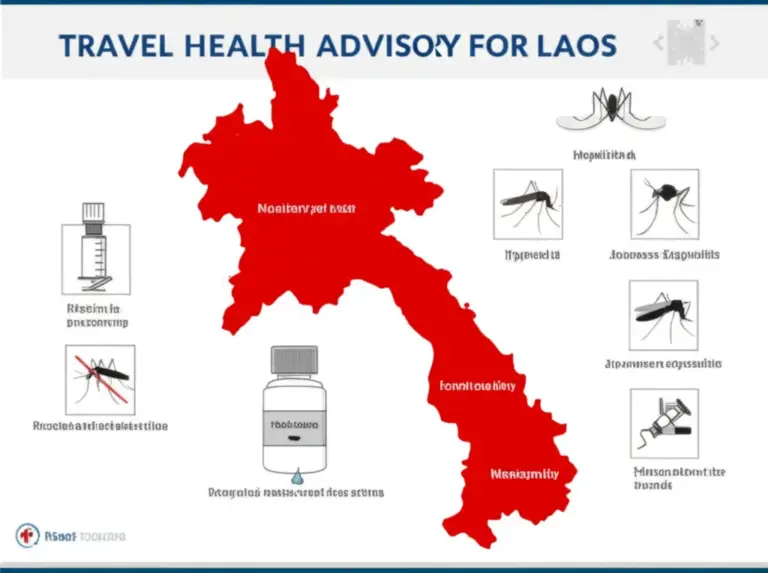
Malaria is a serious, mosquito-borne disease that requires careful consideration. Fortunately, the risk is not uniform across the country. There is generally no risk of malaria in major cities and popular tourist hubs like Vientiane or Luang Prabang [[3]](https://www.youtube.com/watch?v=XW7vls-uh4k).
Understanding the Risk Areas
Critical Malaria Information
The risk of malaria exists primarily in rural and forested areas, particularly along international borders and during the rainy season (May–October) [[1]](https://www.youtube.com/watch?v=Iwvhh0yxwa0). Travelers heading to southern provinces, such as those near the 4,000 Islands, or trekking in remote jungle regions should seriously consider antimalarial prophylaxis.
Prophylaxis and Prevention
If your itinerary includes high-risk zones, consult your doctor about antimalarial medication. Common options suggested by travel health specialists include Atovaquone/Proguanil (Malarone), Doxycycline, or Tafenoquine [[5]](https://www.youtube.com/watch?v=5NxXys_ZnnY). However, prophylaxis is only one part of prevention. The most effective measure against malaria (and Dengue) is avoiding mosquito bites altogether.
Beyond Vaccines: Key Health Risks and Preventive Measures
A safe trip to Laos extends beyond just getting the right vaccinations for Laos travel. Awareness of other common health hazards and practical steps to mitigate them will significantly enhance your experience.
Mosquito-Borne Illnesses (Dengue, Zika, JE)
Dengue Fever is a significant risk in Laos, particularly in urban areas and during the rainy season [[1]](https://www.youtube.com/watch?v=Iwvhh0yxwa0)[[4]](https://www.youtube.com/watch?v=gdM_aLFN3Sk). Unlike the mosquito that carries Malaria, the Dengue mosquito bites predominantly during the day. Therefore, constant vigilance is necessary. Use insect repellent containing DEET, Picaridin, or Oil of Lemon Eucalyptus, wear long-sleeved clothing, and sleep under a permethrin-treated mosquito net if your accommodation is not sealed or air-conditioned.
Food and Water Safety
Traveler’s diarrhea is the most common ailment. To prevent waterborne illnesses like Typhoid and Cholera (which is present in some regions), adhere to the cardinal rule: Boil it, cook it, peel it, or forget it [[5]](https://www.youtube.com/watch?v=5NxXys_ZnnY). Stick to bottled water, or ensure water has been properly boiled or purified. Be cautious with ice, unpasteurized dairy, and street food that hasn’t been thoroughly cooked or is served cold [[1]](https://www.youtube.com/watch?v=Iwvhh0yxwa0).
Accident Prevention and Travel Insurance
Medical care in Laos, especially outside Vientiane, is often basic and unreliable for emergencies [[4]](https://www.youtube.com/watch?v=gdM_aLFN3Sk). Accidents, particularly related to motorbike travel or adventure sports, are a common risk. Comprehensive travel health insurance that includes emergency medical evacuation to a facility in Thailand or another country is not just recommended—it is essential [[4]](https://www.youtube.com/watch?v=gdM_aLFN3Sk). Always use reputable tour operators and avoid excessive consumption of potent local alcohols, which have been linked to health incidents [[1]](https://www.youtube.com/watch?v=Iwvhh0yxwa0).
Preparing for a Healthy Trip: Final Tips
Beyond immunizations and mosquito control, here are a few final pointers for a smooth trip:
- Timing is Key: Schedule your pre-travel consultation 4-6 weeks before leaving. Some vaccines, like the JE series, take time [[2]](https://www.youtube.com/watch?v=q0VwwdzQF48)[[3]](https://www.youtube.com/watch?v=XW7vls-uh4k).
- Air Quality: Be aware of regional air pollution, particularly during the dry season, which can affect those with respiratory conditions [[4]](https://www.youtube.com/watch?v=gdM_aLFN3Sk).
- Animal Contact: Avoid contact with all animals, especially dogs, monkeys, and bats, to prevent Rabies exposure.
- Stay on Path: In rural areas, stick to marked trails due to the risk of unexploded ordnance (UXO) [[4]](https://www.youtube.com/watch?v=gdM_aLFN3Sk).
คำถามที่พบบ่อย (FAQ)
Here are answers to common questions about health and safety for Laos travel.