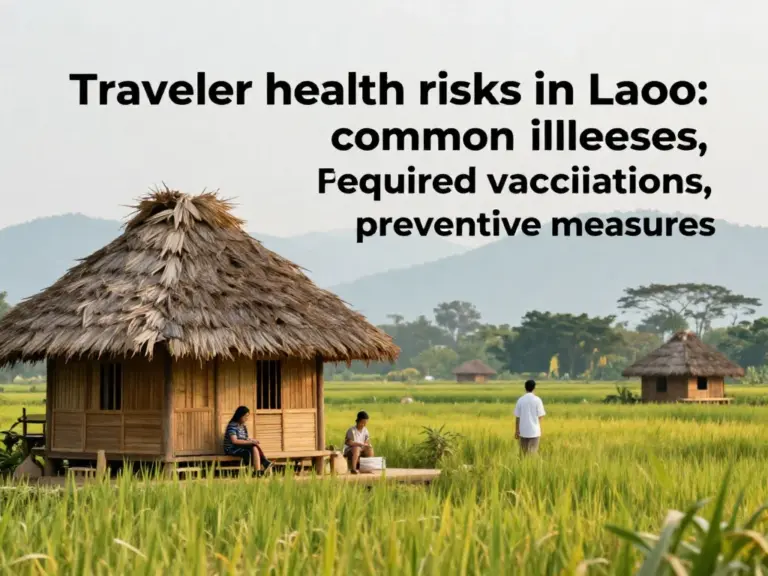
Health risks in Laos: common illnesses, necessary vaccinations, and preventive measures for travelers
Planning a journey to the stunning landscapes of Laos is an exciting endeavor. From the UNESCO World Heritage site of Luang Prabang to the rugged mountains of Vang Vieng, Laos offers a unique cultural experience. However, understanding the Health risks in Laos is essential for any traveler. This guide provides a comprehensive overview of common illnesses, recommended vaccinations, and practical preventive measures to ensure your adventure remains safe and memorable.
Common Illnesses and Health Risks in Laos
Travelers to Laos may encounter various health challenges ranging from minor stomach upsets to more serious mosquito-borne diseases. The most prevalent issues include food and water-borne illnesses, such as traveler’s diarrhea, which often stems from contaminated local water or undercooked food.
Another concern is heat-related illness. The tropical climate can be intense, leading to dehydration or heat exhaustion if travelers do not pace themselves or consume enough fluids. Additionally, rabies is present in the local animal population, making it vital to avoid contact with stray dogs or monkeys.
Necessary Vaccinations for Laos
Before departing, it is highly recommended to consult a travel clinic at least 4-6 weeks in advance. While there are no mandatory vaccinations for entry (unless coming from a Yellow Fever endemic zone), the following are strongly advised to mitigate Health risks in Laos:
| Vaccine | Recommended For |
|---|---|
| Hepatitis A & B | Most travelers; protects against contaminated food/water and blood/bodily fluids. |
| Typhoid | Recommended for those visiting rural areas or adventurous eaters. |
| Tetanus/Diphtheria | Ensure your routine boosters are up to date. |
| Japanese Encephalitis | For long-term stays or travelers spending significant time in rural farming areas. |
| Rabies | Considered for those who will be outdoors or in close proximity to animals. |
Preventive Measures for Travelers
Prevention is the best medicine when navigating the health landscape of Southeast Asia. To stay healthy, follow these core principles:
- Water Safety: Drink only bottled or purified water. Avoid ice in rural areas and use bottled water for brushing your teeth.
- Food Hygiene: Eat food that is served hot and freshly cooked. Be cautious with raw salads or pre-peeled fruits.
- Mosquito Protection: Use a high-quality repellent containing DEET or Picaridin. Wear long-sleeved clothing during dawn and dusk.
- Sun Protection: Use high-SPF sunscreen, wear a hat, and stay hydrated with electrolytes if you are trekking.
It is also wise to carry a basic first-aid kit containing rehydration salts, antiseptic cream, and basic pain relief. Ensure you have comprehensive travel insurance that includes medical evacuation, as healthcare facilities in Laos can be limited outside of the capital city.
คำถามที่พบบ่อย (FAQ)
Do I need malaria pills for Laos?
Malaria risk is low in major cities but present in rural provinces. Consultation with a doctor is necessary to determine if prophylaxis is right for your specific itinerary.
Is it safe to drink tap water in Laos?
No, tap water in Laos is not safe for consumption. Stick to sealed bottled water which is widely available and affordable.
What should I do if a stray animal bites me?
Immediately wash the wound with soap and water for 15 minutes and seek medical attention urgently for post-exposure rabies treatment, as rabies is endemic in Laos.
How can I avoid Dengue Fever?
Since there is no vaccine for most travelers, the best prevention is avoiding mosquito bites by using repellent, wearing long clothing, and staying in screened or air-conditioned accommodation.
Are medical facilities good in Laos?
While Vientiane has some international clinics, serious medical issues often require evacuation to Thailand (specifically Udon Thani or Bangkok). Always have travel insurance.