Is Laos Safe? A Guide to Health
The question, “**Is Laos Safe**?” is one of the most critical considerations for anyone planning a trip to this beautiful, landlocked nation in Southeast Asia. For **Laos Tourism**, the good news is that the country is generally considered safe for travelers, particularly in major tourist hubs like Luang Prabang, Vientiane, and Vang Vieng. However, a responsible traveler knows that ‘safe’ does not mean ‘risk-free.’ This guide provides an expert, E-E-A-T-driven overview of both personal safety and, crucially, health precautions you must take to ensure a smooth and memorable journey.
Understanding the Safety Landscape for Laos Tourism
While Laos is renowned for its laid-back pace and welcoming people, travelers must maintain a level of awareness, particularly concerning petty crime and unique regional risks. The general atmosphere is relaxed, making it feel safer than some neighboring countries, but vigilance is key.
Crime and Personal Safety
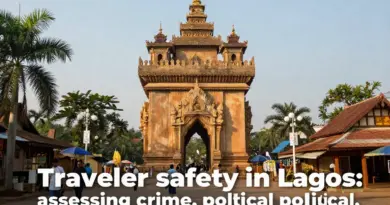
Violent crime against tourists is rare. The most common issues are opportunistic petty theft, such as bag snatching by thieves on motorbikes, especially in Vientiane and Luang Prabang. Always keep valuables secure and out of sight. A significant concern that has gained international attention is the issue of drink spiking and methanol poisoning, particularly in areas popular with backpackers like Vang Vieng. Avoid consuming local, unregulated spirits and never leave your drink unattended.
Laos is one of the most heavily bombed countries per capita in history. Unexploded Ordnance (UXO) remains a serious hazard, particularly in rural areas, especially Xieng Khouang, Savannakhet, and Attapeu provinces. **Never stray from marked roads or paths**, and heed all local warnings. Do not touch any metallic objects you find.
Road Safety and Transportation
Road travel can be hazardous due to poor road conditions, especially during the rainy season, and aggressive driving standards. If hiring a motorbike, ensure you have the proper license and comprehensive insurance. Long-distance bus travel is generally safe but often slow. The new Laos-China Railway offers a fast, safe, and reliable alternative for travel between Vientiane, Vang Vieng, and Luang Prabang.
Essential Health Preparations Before You Go
A proactive approach to health is vital. The medical infrastructure in Laos is basic, with only Vientiane offering facilities of a somewhat international standard. For serious emergencies, medical evacuation to Bangkok or a major city in Vietnam is often necessary.
Vaccinations and Medications
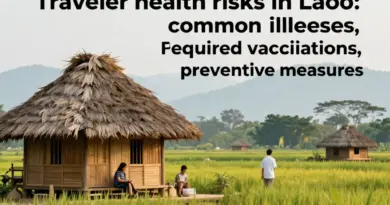
Consult a travel health specialist at least six weeks before your trip. Recommended vaccinations typically include routine shots (MMR, Tdap), Hepatitis A & B, and Typhoid. Depending on your itinerary, Rabies and Japanese Encephalitis vaccines may also be advised. Bring a comprehensive first-aid kit and any prescription medications in their original packaging, along with a doctor’s note.
Travel Insurance: A Non-Negotiable
Comprehensive travel insurance that explicitly covers emergency medical treatment and **medical evacuation** is absolutely essential. Do not travel to Laos without it. The costs associated with an emergency evacuation can be astronomical, and most local hospitals require upfront payment.
Staying Healthy in Laos: Food, Water, and Environment
Maintaining good hygiene is the best defense against common travel ailments.
Food and Water Safety Tips
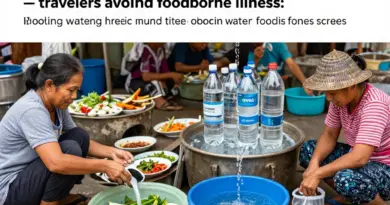
- **Water:** Only drink sealed bottled water. Avoid ice in drinks unless you are certain it was made from purified water (common in tourist-oriented establishments). Use bottled water for brushing your teeth.
- **Food:** Enjoy the incredible street food, but be selective. Opt for food that is freshly cooked and served hot. Avoid raw or undercooked meat, unpeeled fruit, and salads washed in untreated water.
- **Hygiene:** Carry hand sanitizer and use it frequently, especially before eating.
Dealing with Tropical Diseases (Dengue, Malaria)
Mosquito-borne illnesses are a year-round threat. Dengue fever is prevalent, particularly during the rainy season (May to October) and in urban areas. Malaria risk is generally low in Vientiane and Luang Prabang but present in remote, rural regions. Protect yourself by wearing long sleeves and pants, using DEET-based insect repellent, and sleeping under a mosquito net if accommodations are not sealed or air-conditioned.
The LaoSafe Program: A Commitment to Health and Hygiene
As part of its commitment to safe travel, the Lao government has implemented the LaoSafe program, a set of national standards for health and hygiene across the tourism sector, including accommodation, food and beverage, and transportation. Checking for the LaoSafe certification can add an extra layer of confidence to your choices.
In conclusion, while the question, “**Is Laos Safe**?” requires a nuanced answer, the consensus is overwhelmingly positive. Laos is a safe and rewarding destination for those who travel with common sense and respect for local conditions. By taking sensible precautions regarding health, water, and local advisories, your Laos tourism experience will be rich, peaceful, and healthy.
คำถามที่พบบ่อย (FAQ)
References
- US Department of State Travel Advisory for Laos
- CDC Health Information for Travelers to Laos
- World Health Organization (WHO) Laos Country Profile
- LaoSafe Official Tourism Health and Hygiene Program