Safe food, water, and hygiene practices in Laos: avoiding foodborne illness and safe drinking options
Traveling through the lush landscapes of Laos, from the tranquil streets of Luang Prabang to the vibrant markets of Vientiane, is a culinary adventure. However, maintaining your health is paramount to enjoying the journey. Understanding safe food, water, and hygiene practices in Laos is the best way to prevent foodborne illnesses like traveler’s diarrhea, which can quickly dampen your spirits. This guide provides comprehensive advice for travelers to stay healthy while exploring the flavors of the Mekong.
Understanding Food Safety in Laos
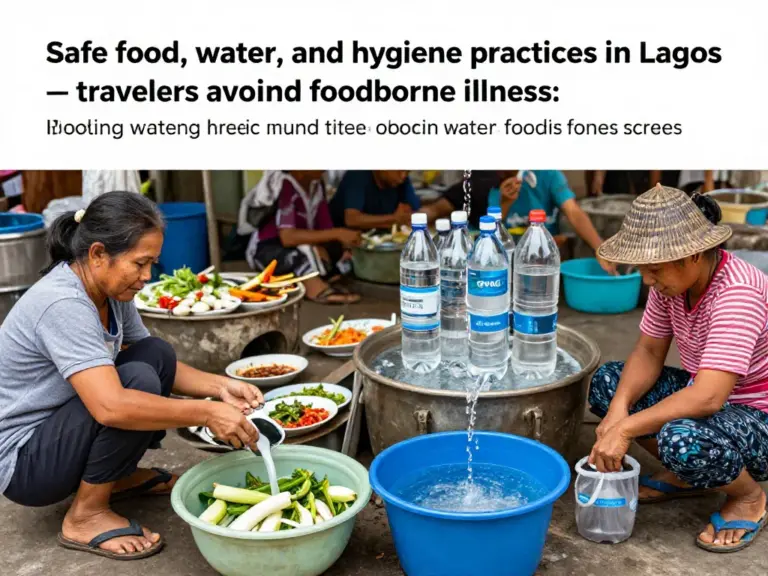
Lao cuisine is famous for its fresh herbs, spicy salads, and grilled meats. While street food is a highlight of Laos tourism, it requires a discerning eye. To avoid foodborne illness, look for vendors with high turnover, as the food is more likely to be fresh. Observe the hygiene of the stall: are the surfaces clean? Is the cook handling money and food with different hands?
Safe Food Choices
- Eat it hot: Choose food that has been thoroughly cooked and is served steaming hot. Heat kills most bacteria that cause illness.
- Peel it yourself: Stick to fruits that you can peel yourself, such as bananas, mangoes, and oranges. Avoid pre-cut fruit platters that may have been washed in local tap water.
- Beware of raw greens: While Larb (a traditional meat salad) is delicious, the raw herbs and vegetables served with it may have been washed in untreated water. If you have a sensitive stomach, it’s safer to skip the raw garnishes.
Safe Drinking Options in Laos
Hydration is key in the tropical climate of Southeast Asia, but the source of your water matters immensely. Tap water in Laos is generally not safe to drink without treatment. Fortunately, safe drinking options are widely available throughout the country.
| Water Source | Safety Level | Recommendation |
|---|---|---|
| Tap Water | Unsafe | Do not drink; avoid using for brushing teeth if sensitive. |
| Bottled Water | Safe | Look for sealed caps. Widely available in shops. |
| Filtered Water Stations | Safe | Eco-friendly option; common in guesthouses. |
| Boiled Water | Safe | Boil for at least one minute to ensure safety. |
When it comes to ice, most ice produced in larger cities like Vientiane or Luang Prabang is made from purified water and is typically safe (look for tube-shaped ice with a hole in the middle). However, in rural areas, it is safer to avoid ice altogether.
Personal Hygiene and Hand Washing
The simplest way to prevent the spread of germs is through rigorous personal hygiene. Hand washing is the first line of defense against foodborne illness. Always wash your hands with soap and clean water before eating and after using the restroom. If soap and water are unavailable, use an alcohol-based hand sanitizer (at least 60% alcohol).
What to Do If You Get Sick
Despite your best efforts, you may still experience digestive upset. Most cases of traveler’s diarrhea are mild and resolve on their own with rest and hydration. Carry oral rehydration salts (ORS) in your first-aid kit to replace lost electrolytes. If you experience high fever, persistent vomiting, or bloody stools, seek medical attention immediately at a reputable clinic or hospital in a major city.
คำถามที่พบบ่อย (FAQ)
Is it safe to brush my teeth with tap water in Laos?
In major cities, many travelers use tap water to brush their teeth without issue. However, if you have a sensitive stomach or are in a rural area, it is recommended to use bottled or filtered water for brushing your teeth.
How can I identify safe street food in Laos?
Look for stalls that are busy with locals, as high turnover means the food is fresh. Ensure the food is cooked to order and served hot, and check that the vendor maintains a clean workspace.
Are salads safe to eat in Lao restaurants?
In high-end restaurants catering to tourists, salads are often washed with purified water. However, in local markets or small roadside stalls, raw vegetables may be washed in tap water, posing a risk of contamination.
What is the most common foodborne illness in Laos?
Traveler’s diarrhea is the most common ailment, usually caused by consuming contaminated food or water. Following strict hygiene and food selection practices can significantly reduce your risk.
Can I drink the coffee and tea in Laos?
Yes, coffee and tea are generally safe because the water used to make them has been boiled. Just be cautious of any unpasteurized milk or ice added to iced versions.