Is Laos safe to visit? Assessing crime, political stability, and general traveler risks in Laos
- Is Laos safe to visit? Assessing crime, political stability, and general traveler risks in Laos
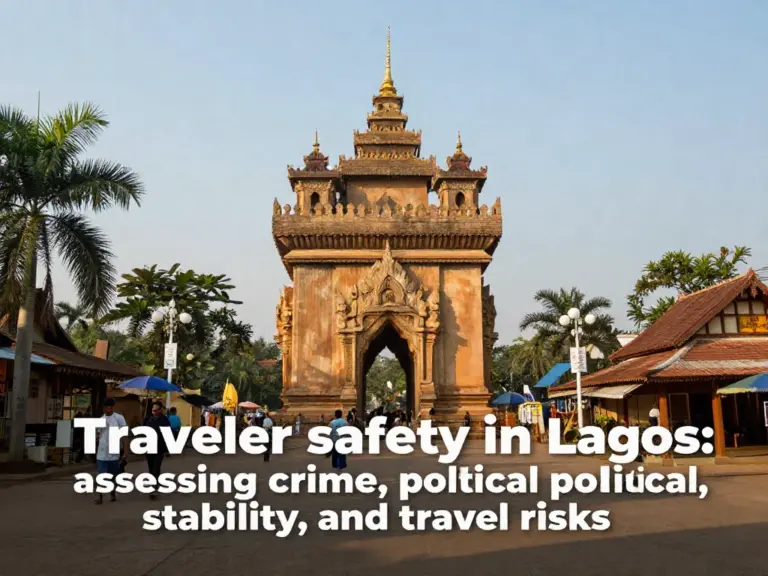
When planning a journey to Southeast Asia, many travelers find themselves asking: Is Laos safe to visit? Known for its laid-back atmosphere, stunning Buddhist temples, and breathtaking river landscapes, Laos is generally considered one of the safest countries in the region for international tourists. However, like any destination, it presents a unique set of risks ranging from petty theft to historical environmental hazards. Understanding these nuances is key to a worry-free adventure.
Understanding the Safety Landscape in Laos
Statistically, Laos maintains a low rate of violent crime against foreigners. The local culture is deeply rooted in Buddhist traditions, which emphasize hospitality and respect. Most travelers visit Vientiane, Luang Prabang, and Vang Vieng without encountering any significant issues. However, the rise in tourism has seen a corresponding increase in opportunistic crimes.
Crime Rates and Petty Theft
The most common risk travelers face is petty crime. Bag snatching is the most frequent report, often occurring in Vientiane and Luang Prabang. Thieves on motorbikes may target tourists walking near the roadside or those with bags loosely slung over their shoulders. It is advisable to use cross-body bags and keep your belongings away from the street-side shoulder.
| Type of Risk | Severity | Prevalence |
|---|---|---|
| Violent Crime | Low | Rare |
| Petty Theft | Moderate | Common in Cities |
| Scams | Low | Occasional |
Political Stability and Governance
Laos is a single-party socialist republic. From a traveler’s perspective, the country is remarkably stable. There are rarely large-scale protests or civil unrest. However, the government maintains strict control over freedom of speech and assembly. As a visitor, it is vital to avoid engaging in local political discussions or participating in demonstrations. Respecting local laws and the political climate ensures that you stay off the radar of local authorities.
Environmental Risks: UXO and Natural Hazards
One unique risk in Laos is the presence of Unexploded Ordnance (UXO). Laos is the most heavily bombed country per capita in history. While major tourist paths are cleared, trekking in rural areas—especially in Xieng Khouang province—requires caution. Always stay on marked trails and hire a local guide when exploring off-the-beaten-path locations.
Road Safety and Transport
Perhaps the greatest daily risk in Laos is road safety. Infrastructure is improving, but many roads remain unpaved or poorly lit. If you choose to rent a motorbike, ensure you have a valid license and always wear a helmet. Bus travel is generally safe, though night buses on winding mountain roads can be nerve-wracking for some. The new high-speed railway connecting Vientiane to the Chinese border has significantly improved safety and efficiency for long-distance travel.
Health and Medical Facilities
Medical facilities in Laos are limited, particularly outside of the capital. For serious medical emergencies, evacuation to Thailand (specifically Udon Thani or Bangkok) is often necessary. It is imperative to have comprehensive travel insurance that includes medical evacuation. Drink only bottled or filtered water to avoid waterborne illnesses, which are the most common health complaint for visitors.
Conclusion
So, is Laos safe to visit? The answer is a resounding yes, provided you exercise standard travel precautions. By staying aware of your surroundings, respecting local customs, and avoiding risky rural areas without a guide, you can enjoy the incredible beauty and serenity of Laos with peace of mind.
คำถามที่พบบ่อย (FAQ)
Is it safe to walk at night in Vientiane?
Yes, Vientiane is generally safe at night, but it is best to stay in well-lit areas and avoid walking alone in deserted streets. Use reputable taxi apps like Loca for late-night transport.
Do I need any vaccinations for Laos?
Commonly recommended vaccinations include Hepatitis A and B, Typhoid, and ensuring your Tetanus shot is up to date. Consult a travel clinic at least 6 weeks before your trip.
Is the tap water safe to drink?
No, tap water in Laos is not potable. Always drink bottled water, which is widely available and inexpensive, or use a high-quality water purifier.
What should I do if I find an old bomb or metal object while hiking?
Do not touch it. Mark the location if possible and inform local authorities or a UXO clearance organization. Stay on established paths to avoid this risk entirely.
Are there many scams targeting tourists?
Compared to neighboring countries, scams are relatively rare. The most common are overcharging for tuk-tuks or minor currency exchange discrepancies. Always agree on a price before starting a journey.