Staying healthy on the ground: food, water safety, heat, and common illnesses to watch for in Laos
Laos, the ‘Land of a Million Elephants,’ offers an unforgettable journey through ancient temples, lush landscapes, and vibrant culture. To fully enjoy your adventure, prioritizing your well-being is crucial. This comprehensive guide is designed to help you with Staying healthy on the ground in Laos, covering everything from ensuring safe meals to protecting yourself from tropical illnesses. A prepared traveler is a happy traveler, and a little knowledge goes a long way in navigating the unique health considerations of Southeast Asia.
The Cornerstones of Health: Food and Water Safety
Contaminated food and water are the most common causes of travel sickness. Being vigilant about what you consume is the single most effective way to ensure you keep Staying healthy on the ground in Laos throughout your trip. The local cuisine is delicious, but caution must be exercised, especially when exploring markets and street stalls.
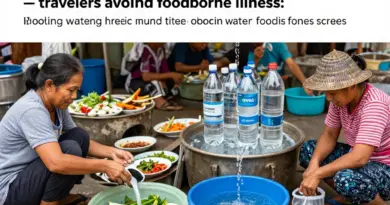
Street food is a highlight of Lao culture, offering authentic flavors at incredible prices. To minimize risk, observe the preparation area. Look for stalls that are busy—high turnover means the food is fresh. Avoid salads and pre-cut fruits unless you are absolutely certain they have been washed with safe water. Be especially cautious with raw or undercooked meat, as there have been reports of diseases like anthrax in the region. Stick to reputable vendors who appear hygienic and use clean utensils.
Water: Never Drink Straight from the Tap
Tap water in Laos is not safe for drinking, even in major cities like Vientiane and Luang Prabang. Always rely on commercially bottled water, ensuring the seal is intact before purchase. When ordering drinks, be mindful of ice. Most established restaurants and hotels use purified water for ice, but it’s best to confirm or stick to bottled beverages if you have a sensitive stomach. For the environmentally conscious traveler, consider bringing a personal water purification system or tablets.
- Always use bottled water for drinking and brushing teeth.
- Tea and coffee are generally safe, as the water is boiled.
- Be cautious with ice unless you can confirm it is made from purified water.
Battling the Elements: Heat and Sun Protection
Laos has a tropical climate, often characterized by intense heat and high humidity, particularly during the hot season (March to May). The sun’s UV index is often extreme. Proper preparation for the climate is crucial for preventing heat exhaustion and severe sunburn.
Recognizing and Preventing Heat-Related Illnesses
Dehydration and heat exhaustion can sneak up quickly. The key to prevention is continuous hydration. Drink more water than you think you need, and consider oral rehydration salts (ORS) if you are sweating heavily or experiencing any gastrointestinal issues. Limit strenuous activity during the hottest part of the day (10:00 AM to 4:00 PM) and seek out air-conditioned spaces or shade regularly. Symptoms like dizziness, heavy sweating, and muscle cramps are early warning signs.
Essential Sun Protection and Altitude Awareness
Wear a high-SPF, broad-spectrum sunscreen and reapply it frequently. A wide-brimmed hat and UV-protective sunglasses are indispensable. In areas like Luang Prabang and Vang Vieng, which are at higher altitudes, the sun’s intensity is even greater. Furthermore, while not extreme, travelers visiting these mountainous regions should acclimatize slowly and continue to prioritize hydration to mitigate mild altitude sickness symptoms like headaches.
Common Illnesses and Prevention Strategies
While most visitors only experience minor issues, it is important to be aware of the more serious tropical diseases prevalent in Laos, especially those transmitted by mosquitoes. The rainy season (May to November) sees a significant increase in mosquito-borne illnesses.
Mosquito-Borne Risks: Dengue, Malaria, and Japanese Encephalitis
**Dengue Fever** is a year-round risk across the country, particularly in urban areas during the wet season. The mosquitos that carry dengue bite primarily during the day. **Malaria** risk is lower but still present, mainly in rural and forested areas of the south. **Japanese Encephalitis** is also a concern in rural areas. Prevention is simple but requires diligence:
| Prevention Strategy | Details |
|---|---|
| Repellent Use | Use insect repellent containing DEET on exposed skin. |
| Protective Clothing | Wear long sleeves, long trousers, and socks, especially at dawn and dusk. |
| Nets | Sleep under a mosquito net if your accommodation does not have sealed windows or air conditioning. |
Traveler’s Diarrhea and Stomach Bugs
Traveler’s Diarrhea (TD) is the most common ailment, often caused by the introduction of new bacteria to the digestive system. While usually self-limiting, it is vital to stay hydrated. A small travel medical kit should include anti-diarrheal medication (like Imodium) and ORS. If symptoms persist for more than 48 hours, worsen, or include fever or bloody stools, seek medical attention immediately, as it could indicate a more serious infection like Typhoid or Cholera.
Necessary Vaccinations and Pre-Trip Planning
Consult your travel doctor 4-6 weeks before your trip. Routine vaccinations should be up-to-date. Recommended vaccinations for Laos often include Hepatitis A, Typhoid, Tetanus/Diphtheria, and potentially Hepatitis B, Japanese Encephalitis, and Rabies, depending on your travel style and duration.
The Lao tourism sector is actively working to ensure safe standards for visitors. The video below explains the ‘LaoSafe’ program, which sets hygiene standards for hotels, restaurants, and tour operators across the country.
Emergency Preparedness and Local Resources
While we hope for the best, preparation for emergencies is essential. Medical facilities in Laos, particularly outside of Vientiane, are generally not up to international standards. For serious incidents, medical evacuation is often necessary.
Pharmacies in major towns are generally well-stocked with basic medications, but always check expiration dates and the source of the medicine. Do not take prescription medication without consulting a medical professional, even if it is available over the counter. Keep a small first-aid kit with you, including band-aids, antiseptic wipes, pain relievers, and any personal prescription medications, along with a copy of your prescription.
คำถามที่พบบ่อย (FAQ)
Is the tap water safe to drink in Laos?
No, the tap water in Laos is generally not safe for drinking. Tourists should always use commercially bottled water, even for brushing teeth, to prevent waterborne diseases like Typhoid and Hepatitis A.
What is the most common illness tourists get in Laos?
The most common illness is Traveler’s Diarrhea (TD), often caused by consuming food or water contaminated with new bacteria. Staying hydrated with clean water and being cautious about food sources are the best preventative measures.
Should I be worried about Dengue Fever in Laos?
Yes, Dengue Fever is a risk throughout Laos, especially during the rainy season (May to November) and in urban areas. Since there is no vaccine, the best strategy is rigorous mosquito bite prevention using DEET repellent and protective clothing, particularly during the day.
Are medical facilities in Laos reliable for serious injuries?
Medical facilities in Laos are generally below international standards, especially outside of Vientiane. For serious injuries or illnesses, medical evacuation to a neighboring country like Thailand or Vietnam is usually required. Comprehensive travel insurance with Medivac coverage is highly recommended.
References
World Health Organization (WHO) Travel Health Information for Laos
CDC Travel Health Notices for Laos
LaoSafe Program Official Website