Wat Phu Champasak: The Complete Visitor’s Guide to Exploring the Ancient Khmer Temple Complex
- Wat Phu Champasak: The Complete Visitor’s Guide to Exploring the Ancient Khmer Temple Complex
Discovering Wat Phu Champasak: Laos’ Ancient Khmer Legacy
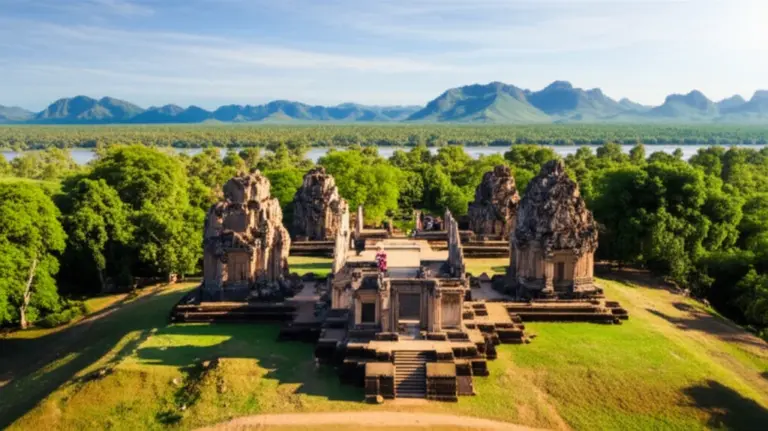
While Angkor Wat often dominates discussions of Khmer architecture, the spiritual birthplace of the Khmer empire lies further north, nestled against Phou Kao mountain in Southern Laos. Welcome to Wat Phu Champasak, a magnificent UNESCO World Heritage Site that predates and influenced the great temples of Cambodia. This ancient religious complex offers a profoundly peaceful and historically rich experience for travelers exploring Laos tourism, showcasing spectacular ruins and a unique alignment with nature and cosmology.
Essential Context
Wat Phu, meaning ‘Mountain Temple’, was originally dedicated to the Hindu god Shiva and served as the capital of the Chenla Kingdom centuries before the rise of Angkor. Its design is a masterpiece of axial planning, connecting the Mekong River to the sacred mountain peak.
History and Architectural Significance
The history of Wat Phu spans over a thousand years, with the earliest foundations dating back to the 5th century. The current main structures primarily hail from the 11th to 13th centuries, showcasing the transition from pre-Angkorian to classical Angkorian styles. Unlike the flat, concentric layout of Angkor Wat, Wat Phu is built vertically, utilizing the natural slope of Phou Kao mountain.
The Unique Mountain-Temple Layout (The Axis)
The entire complex is aligned along a precise north-south axis, stretching over 1,400 meters from the Mekong River bank to the uppermost sanctuary. This design symbolizes the cosmic mountain, Mount Meru, and the direct connection between the human world and the divine. The three distinct levels—the lower, middle, and upper terraces—represent the different stages of spiritual ascent.
The Transition to Buddhism
While initially a Hindu site, largely devoted to Shiva, the complex eventually transitioned into a Theravada Buddhist monastery, particularly after the 14th century. This shift is evident in the later additions of Buddha images and the adaptation of the ancient shrines to house Buddhist iconography, adding layers of cultural and religious depth to the ruins.
Essential Visitor Information and Planning Your Trip
Visiting Wat Phu Champasak requires careful planning, as it is slightly remote. Most travelers base themselves in Pakse, the capital of Champasak Province, which offers better accommodation and transport links.
Getting to Champasak Province
| Mode of Transport | Details | Approximate Time from Pakse |
|---|---|---|
| Tuk-Tuk/Taxi (Recommended) | Hire a driver for a half-day or full-day return trip. | 1.5 to 2 hours |
| Motorbike Rental | Ideal for independent travelers comfortable with rural roads. | 1.5 hours |
| Local Bus/Songthaew | Cheaper but less frequent and slower. Requires a short walk from the main road. | 2.5+ hours |
Best Time to Visit and Opening Hours
The temple complex is usually open from 8:00 AM to 4:30 PM daily. To avoid the intense equatorial heat, it is highly recommended to visit early in the morning (before 10:00 AM) or late in the afternoon (after 3:00 PM). The heat during midday can make the climb to the upper sanctuary challenging.
Entrance Fees and Local Guides
The entrance fee is typically around 50,000 LAK (Lao Kip) for foreign visitors. While the site is well-marked, hiring a local guide (available near the entrance) can significantly enhance your understanding of the intricate carvings and historical context. The official Visitor Centre provides excellent historical context before you enter the main site.
Exploring the Temple Complex: What to See
The exploration of Wat Phu Champasak is a journey of physical and spiritual ascent, divided into three main sections:
1. The Lower Terrace (The Palaces)
After passing through the main gate, you encounter the two large, ruined palaces—one north and one south—flanking the main axis. These structures, built in the 11th century, were likely used for rituals and housing pilgrims. Look closely at the lintels and doorframes, which feature superb carvings of Hindu deities, including Indra and Shiva, showcasing the early mastery of Khmer artistry.
2. The Middle Terrace (The Causeway)
A long, steep causeway, lined by imposing stone pillars (sema stones), leads up to the next level. This 200-meter ascent is symbolic, preparing the pilgrim for the sacred space above. The view looking back across the rice fields to the Mekong River is breathtaking, especially at sunset.
3. The Upper Sanctuary (The Sacred Spring)
The final climb involves scaling a series of steep, often uneven stone steps (over 150 of them). At the top sits the main sanctuary (Prang), built directly into the base of the mountain cliff. Although heavily ruined, this area holds the greatest spiritual power. Behind the sanctuary, a natural spring flows down the mountain, once channeled through a stone conduit carved into the shape of a Lingam—the ultimate symbol of Shiva. This sacred water was central to the temple’s rituals.
Practical Tips for a Respectful Visit
Given the exposed nature of the site and its status as a sacred location, keep these tips in mind:
- Dress Code: Always dress modestly. Shoulders and knees should be covered, especially when entering the upper sanctuary, which remains an active place of worship.
- Footwear: Wear sturdy, comfortable shoes. The stone steps are very old, slippery when wet, and often uneven.
- Hydration: Carry plenty of water. The climb to the top is strenuous, particularly during the hot season (March to May).
- Photography: Be respectful of monks and worshipers. Ask permission before taking close-up photos.
Wat Phu and the Festival Tradition (Boun Wat Phu)
If your travel timing allows, consider visiting during the Boun Wat Phu festival, one of the most important annual celebrations in Southern Laos. Held during the third full moon of the lunar calendar (usually late January or February), the festival draws thousands of pilgrims and tourists. It is a vibrant display of traditional Lao culture, featuring religious ceremonies, music, dance, and markets, offering a unique glimpse into the spiritual life surrounding this ancient complex.
คำถามที่พบบ่อย (FAQ)
Is Wat Phu Champasak a UNESCO World Heritage Site?
Yes, Wat Phu Champasak was inscribed as a UNESCO World Heritage Site in 2001, recognized for its outstanding architectural complex and its profound historical link to Hindu and Buddhist civilizations in Southeast Asia.
How long does it typically take to explore the entire complex?
Allow a minimum of 2 to 3 hours to explore the complex thoroughly. This includes time spent at the Visitor Centre, walking the long causeway, climbing the steep steps to the upper sanctuary, and exploring the two main palaces on the lower terrace.
What is the significance of the sacred spring at the top?
The spring held immense religious significance. In Hinduism, water from natural sources on mountain tops is considered sacred. The water flowing through the Lingam conduit symbolized the purification and power of Shiva, making the upper sanctuary the spiritual heart of the pre-Angkorian Khmer kingdom.
Can I stay overnight near Wat Phu?
While most visitors stay in Pakse, the town of Champasak (a short distance from the temple) offers charming guesthouses and boutique resorts, allowing visitors to experience the peaceful atmosphere of the region and enjoy stunning views of the Mekong River.
References
- UNESCO World Heritage Centre: Vat Phou and Associated Ancient Settlements within the Champasak Cultural Landscape
- Laos National Tourism Administration
- Architectural History of Vat Phou
- History and Significance of Wat Phu: Origins, Khmer Architecture, and UNESCO World Heritage Designation
- Planning Your Visit: Best Times to Go, How to Get There from Pakse, Entrance Fees, and Guided Tour Options
- Exploring the Site: Key Temples, Sculptures, Inscriptions, and Photogenic Viewpoints Explained