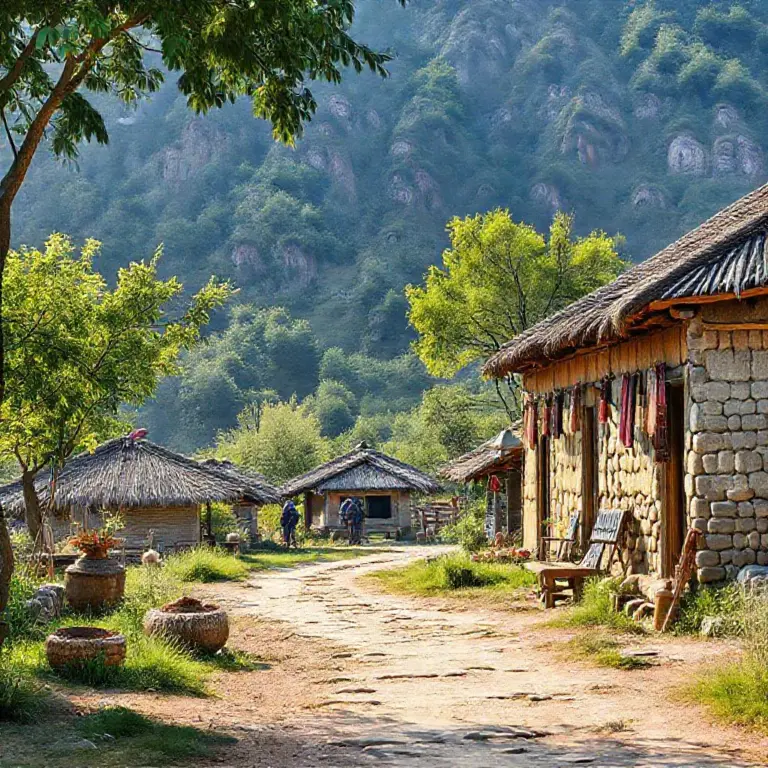
How to Plan Your Ethnic Village Stay: Best Seasons, Permits, Local Guides, and Responsible Tour Operators
- How to Plan Your Ethnic Village Stay: Best Seasons, Permits, Local Guides, and Responsible Tour Operators
Exploring the ethnic villages of Laos offers one of the most profound and authentic travel experiences in Southeast Asia. To ensure your journey into the heart of Lao culture is respectful, safe, and rewarding, careful preparation is essential. This comprehensive guide details exactly How to Plan Your Ethnic Village Stay, covering everything from timing your trip to securing necessary permissions and supporting local communities ethically.
Laos is home to over 49 recognized ethnic groups, each maintaining unique customs, languages, and traditions. A village stay—often involving homestays or guided treks—is a privilege, not just a tourist activity. Therefore, adopting an E-E-A-T approach (Experience, Expertise, Authoritativeness, Trustworthiness) means prioritizing cultural sensitivity above all else. Let’s dive into the practical steps for organizing your unforgettable Lao adventure.
Choosing the Best Seasons for Village Trekking
The timing of your visit dramatically impacts the trekking conditions and your interaction with village life. Laos has three main seasons, each offering distinct pros and cons for accessing remote ethnic communities.
The Cool/Dry Season (October to February)
This is widely considered the optimal time. Temperatures are moderate, humidity is lower, and trekking trails are firm and less muddy. This period often coincides with major festivals, offering incredible cultural immersion opportunities. However, it is also the peak tourist season, meaning popular routes might be busier.
The Hot Season (March to May)
Expect intense heat, especially in the lowlands. While trekking can be challenging due to high temperatures, remote villages might be less crowded. This season often precedes the main rice planting, so you might witness preparations rather than harvests.
The Wet/Green Season (June to September)
The landscape is lush and stunningly green, making for beautiful photography. The downside is heavy, frequent rain which turns dirt trails into slippery mudslides, potentially making some remote areas inaccessible or dangerous. If you choose this time, expect longer travel times and prioritize operators with excellent local knowledge regarding trail safety.
Unlike many popular tourist sites, visiting certain ethnic villages, especially those near sensitive border areas or those participating in official eco-tourism programs, requires adherence to local regulations. Understanding these requirements is crucial for responsible travel and avoiding fines.
Trekking Permits and Entry Fees
In areas like the Bokeo Province (famous for the Gibbon Experience) or specific national protected zones, formal permits are mandatory. Reputable tour operators usually handle the acquisition of these permits as part of their package. Always confirm that the fee you pay goes through official channels and contributes directly to conservation or community development funds.
The Importance of Local Consent
Beyond bureaucratic paperwork, the most important ‘permit’ is the genuine welcome from the village elders. Responsible travel dictates that your presence must be sanctioned by the community leadership. This is why booking through established, well-connected local guides is non-negotiable for authentic experiences.
Finding and Working with Local Guides
A good local guide transforms a hike into a cultural exchange. They are your bridge to understanding customs, language nuances, and safety protocols. When you How to Plan Your Ethnic Village Stay, prioritizing local employment should be high on your list.
Qualities of an Excellent Guide
- Linguistic Skills: They should speak sufficient English (or your native language) and the local dialect of the village you are visiting.
- Cultural Fluency: They must understand the appropriate etiquette for entering homes, dressing modestly, and interacting with elders.
- Safety Expertise: They should be trained in first aid and knowledgeable about the terrain, especially during the wet season.
We highly recommend searching for guides affiliated with the Lao Association of Tour Operators (LATO) or those recommended by established, ethical NGOs working in the region.
Selecting Responsible Tour Operators
The choices you make in booking directly impact the livelihood and cultural integrity of the communities you visit. Responsible operators ensure that the majority of the revenue stays local, minimizing negative environmental and social footprints.
Vetting for Responsibility
| Criteria | What to Look For | Red Flag |
|---|---|---|
| Community Benefit | Clear outline of how homestay fees are distributed. | Vague answers about where the money goes. |
| Group Size | Small groups (4-8 people) to minimize impact. | Large bus tours entering small villages. |
| Homestay Standards | Focus on traditional, simple accommodation, not luxury setups. | Operators offering high-end amenities in remote areas. |
| Cultural Integrity | Commitment to no photography without explicit permission. | Guides pushing for immediate cultural performances. |
Consider operators known for supporting specific community projects, such as improving local schools or water sanitation, as their commitment is often deeper than those simply offering trekking packages.
Essential Cultural Etiquette for Village Stays
Respect is the currency of cultural exchange. Before you travel, familiarize yourself with these basic rules:
- Dress Conservatively: Shoulders and knees must be covered, especially when entering temples or meeting village elders.
- Feet Etiquette: Never point your feet at people or religious objects; remove shoes before entering any home.
- Gifts: Small, practical gifts (like school supplies or medicine) are appreciated, but always ask your guide first. Avoid giving money directly to children.
- Photography: Always ask permission before taking pictures, especially of people, rituals, or sacred spaces. A smile and a gesture are usually understood even without a shared language.
To give you a visual sense of the incredible diversity you might encounter, here is a short video showcasing the beauty of Lao culture:
Planning Logistics: From Luang Prabang to the Hills
Most ethnic village treks originate from major hubs like Luang Prabang, Vientiane, or Oudomxay. The journey itself is part of the adventure. Be prepared for long, bumpy road transfers. For example, reaching the Akha or Hmong villages in the northern mountains requires significant overland travel.
If you are focusing on the Luang Prabang region, you might use the following location as a reference point for understanding proximity to trekking starting points:
Conclusion: A Rewarding Endeavor
Successfully organizing your adventure requires patience, research, and a commitment to ethical travel principles. By understanding the best travel seasons, securing the proper permits through trusted channels, and booking with responsible tour operators who employ excellent local guides, you guarantee a trip that honors the rich heritage of Laos’s diverse ethnic communities. Your preparation for How to Plan Your Ethnic Village Stay will be rewarded with unparalleled insight and genuine human connection.
คำถามที่พบบ่อย (FAQ)
References
For further reading on ethical travel in the region, consult resources on Responsible Travel in Laos and official Lao tourism advisories.
- Community-Based Treks in Luang Namtha: Authentic Ethnic Village Stays for Responsible Travelers
- Why Choose Community-Based Treks in Luang Namtha? Benefits, Cultural Immersion, and Sustainable Tourism
- What to Expect on the Trek: Typical Routes, Daily Itineraries, Accommodation Types, and Interaction with Khmu, Akha, and Lanten Communities