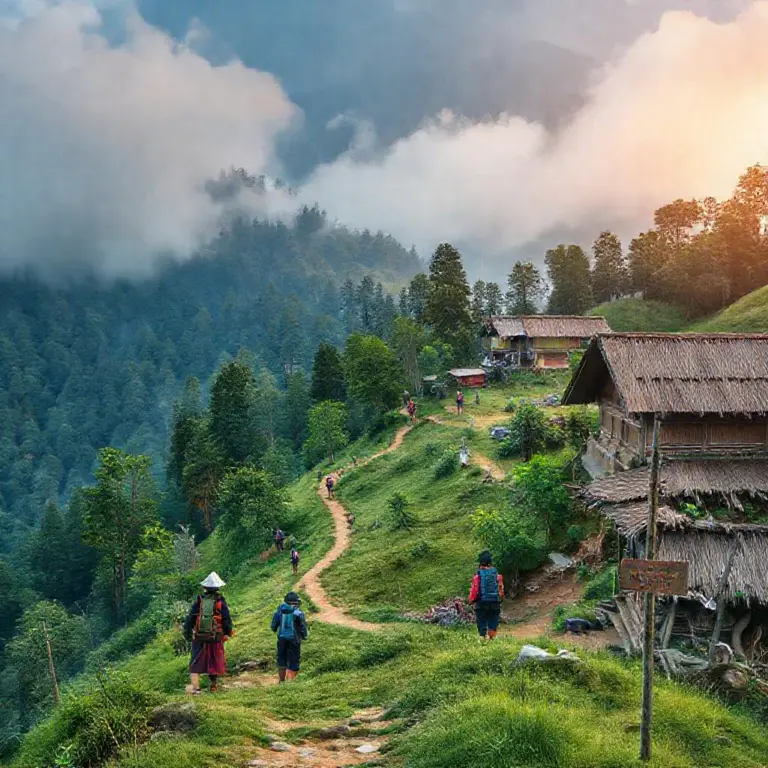
What to Expect on the Trek: Typical Routes, Daily Itineraries, Accommodation Types, and Interaction with Khmu, Akha, and Lanten Communities
- What to Expect on the Trek: Typical Routes, Daily Itineraries, Accommodation Types, and Interaction with Khmu, Akha, and Lanten Communities
- Navigating the Terrain: Typical Trekking Routes
- The Rhythm of the Trail: Daily Itineraries Overview
- Accommodation Types: Homestays vs. Basic Lodging
- Cultural Crossroads: Interaction with Khmu, Akha, and Lanten Communities
- คำถามที่พบบ่อย (FAQ)
- What is the best time of year to undertake a multi-day trek in Laos?
- Do I need to speak Lao or any local dialect to trek successfully?
- How much physical fitness is required for a standard 3-day trek?
- Is it safe to drink the water provided during the trek?
- How much money should I budget for personal expenses on the trail?
- References
Embarking on a multi-day trek through the remote, mountainous regions of Laos is one of the most rewarding experiences available to the adventurous traveler. This journey goes far beyond mere physical challenge; it is an immersive cultural expedition. Understanding What to Expect on the Trek: Typical Routes, Daily Itineraries, Accommodation Types, and Interaction with Khmu, Akha, and Lanten Communities is crucial for preparation and maximizing this unique encounter. This guide, written from an expert perspective, details the realities of life on the trail in Northern Laos, particularly around the Luang Prabang and Oudomxay provinces.
The appeal of trekking in Laos lies in its authenticity. Unlike more commercialized routes elsewhere, Laos offers genuine connection with ethnic minority groups who maintain rich, ancient traditions. You will be entering their world, not just observing it.
Most organized treks begin and end near Luang Prabang, the cultural heart of Laos, due to its accessibility and established tourism infrastructure. However, the trails quickly lead you into far more secluded areas.
The Luang Prabang Circuit (2-5 Days)
This is the classic route, often focusing on villages populated by the Hmong, Khmu, and sometimes the remote Lanten people. The terrain varies significantly, moving from lush, terraced rice paddies in the valleys to steep, muddy paths ascending into the dense primary forest.
Northern Expeditions (5+ Days)
For the truly dedicated, longer treks venture toward Nong Khiaw or Phongsali. These routes offer a higher chance of encountering the more isolated Akha communities. Be prepared for significantly more challenging topography, requiring river crossings and higher altitude gains.
The Rhythm of the Trail: Daily Itineraries Overview
A typical day on a Lao trek is structured around the natural rhythm of the sun and the needs of the local guides. Pacing is generally moderate to slow, prioritizing immersion over speed.
- Early Start (6:00 AM – 7:00 AM): Wake up with the village, often to the sounds of roosters or cooking fires. A simple, local breakfast (sticky rice, coffee) is usually provided.
- Morning Hike (7:30 AM – 11:30 AM): This is the primary hiking block. Guides maintain a steady pace, stopping frequently to explain local flora, fauna, or village history.
- Midday Break (11:30 AM – 1:30 PM): Lunch is often eaten trailside or just outside the next village. Expect rice, local vegetables, and perhaps some dried meat or fish prepared by your guide.
- Afternoon Trek (1:30 PM – 4:30 PM): A shorter hiking session designed to arrive at the overnight village before dusk.
- Village Immersion (4:30 PM onwards): This is the most valuable time. You will settle into your homestay, observe daily life (water fetching, cooking, weaving), and interact with the family hosting you.
- Dinner & Rest: Simple, shared meals are the norm, followed by early sleep as lighting is scarce outside the main communal area.
The daily distance covered usually ranges from 12 to 20 kilometers, depending on the elevation gain and the group’s fitness level.
Accommodation Types: Homestays vs. Basic Lodging
Forget five-star resorts; accommodation on these treks is inherently rustic. The quality of your stay directly correlates with your willingness to embrace local living.
Village Homestays
This is the standard and preferred option. You will sleep in a designated area of a local family’s home, often on a thin mattress or woven mat on the floor, covered by a blanket provided by the host or your trekking company. Expect minimal privacy and basic sanitation (often an outdoor squat toilet and washing facilities using river water or buckets).
Basic Guesthouses (Rare)
In slightly larger, established trekking hubs, you might find a very basic guesthouse with rudimentary private rooms. Electricity is generally only available for a few hours in the evening, if at all.
To enhance your experience and support the local economy, consider bringing a small gift (like soap or school supplies) for your host family, rather than monetary tips during the stay.
Cultural Crossroads: Interaction with Khmu, Akha, and Lanten Communities
The true reward of trekking is the privileged interaction with Laos’ diverse ethnic tapestry. Each group has distinct customs, dress, and dialects. Understanding this is vital to respectful engagement.
| Community | Primary Location | Key Characteristics |
|---|---|---|
| Khmu | Widespread, especially near Luang Prabang | Known for their strong agricultural skills and traditional weaving techniques. They often live in villages built on the valley floor. |
| Akha | Northernmost regions (Phongsali area) | Distinctive, elaborate silver headdresses worn by married women. They traditionally practice slash-and-burn agriculture and live higher on the slopes. |
| Lanten (or Tai Lue) | Near the Nam Ou River | Known for their beautiful indigo dyeing and intricate paper-making skills. Their villages often feature traditional wooden architecture. |
Guidelines for Respectful Interaction
Your guide will mediate much of the interaction, but adherence to these simple rules ensures a positive experience for both you and the host community:
- Ask Before Photographing: Always seek permission before taking close-up photos of individuals, especially children or elders. A simple gesture and a smile are usually sufficient, but follow your guide’s lead.
- Dress Modestly: Cover shoulders and knees, especially when inside a village elder’s home or a communal area. This shows respect for conservative customs.
- Observe, Don’t Interrupt: Be a quiet observer of daily rituals, cooking, or farming activities. Do not interfere unless explicitly asked to help.
- Language Barrier: While few villagers speak English, learning a few basic Lao phrases (Sabaidee – Hello; Khop Jai – Thank you) goes a long way.
For more on responsible travel practices in this beautiful region, you can explore guidelines provided by sustainable tourism organizations dedicated to supporting local Lao initiatives.
To get a visual sense of the terrain and the community life you will encounter, watch this insightful documentary clip:
Ultimately, what you can expect on your Laos trek is raw, unfiltered Southeast Asian mountain life. Success on the trail is measured not by how far you walk, but by the depth of connection you forge with the people and the stunning, unspoiled landscape.
คำถามที่พบบ่อย (FAQ)
Here are answers to common queries regarding trekking in Northern Laos.
What is the best time of year to undertake a multi-day trek in Laos?
The ideal trekking season runs from October through April. This period avoids the intense heat and heavy monsoon rains (May to September). The coolest, driest months are generally December to February.
Do I need to speak Lao or any local dialect to trek successfully?
No, a competent English-speaking guide is essential and will be provided by reputable tour operators. Your guide acts as the cultural and linguistic bridge between you and the Khmu, Akha, or Lanten hosts.
How much physical fitness is required for a standard 3-day trek?
A moderate level of fitness is required. Treks involve 5-7 hours of walking daily over uneven, sometimes steep terrain. You should be comfortable hiking several hours carrying only a light daypack.
Is it safe to drink the water provided during the trek?
Tap water should never be consumed. Reputable operators will provide boiled water or purified water, but it is highly recommended that you bring a reliable personal water filter or purification tablets as a backup.
How much money should I budget for personal expenses on the trail?
Most major costs (guide fees, food, basic accommodation) are covered by your tour package. Budget for small purchases like bottled water, snacks, or small handicrafts. Bring sufficient Lao Kip, as ATMs are non-existent on the trails.
References
For further reading on sustainable trekking and the cultures of Northern Laos, consult established travel advisories and ethical tourism reports.
- Community-Based Treks in Luang Namtha: Authentic Ethnic Village Stays for Responsible Travelers
- Why Choose Community-Based Treks in Luang Namtha? Benefits, Cultural Immersion, and Sustainable Tourism
- How to Plan Your Ethnic Village Stay: Best Seasons, Permits, Local Guides, and Responsible Tour Operators