Why Choose Community-Based Treks in Luang Namtha? Benefits, Cultural Immersion, and Sustainable Tourism
- Why Choose Community-Based Treks in Luang Namtha? Benefits, Cultural Immersion, and Sustainable Tourism
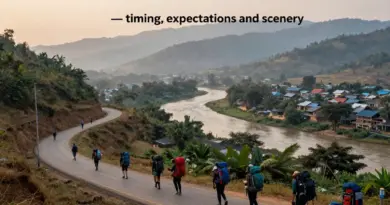
Welcome to Luang Namtha, the trekking capital of Northern Laos. While the allure of pristine jungle and challenging trails is strong, the true magic of this region lies not just in the scenery, but in the journey itself. Choosing Community-Based Treks in Luang Namtha transforms a simple hike into a meaningful exchange, directly supporting the diverse ethnic groups who call this area home. This guide explores why this responsible travel choice is the superior way to experience the rich heritage and natural beauty of the Nam Ha National Protected Area.
The Core Philosophy: What is Community-Based Ecotourism (CBET)?
Community-Based Ecotourism (CBET) is more than just a buzzword; it is a governance model where local communities are the primary decision-makers and beneficiaries of tourism activities. In Luang Namtha, this means partnering directly with villages from various ethnic minorities—such as the Akha, Khmu, and Lanten—to develop trekking routes that respect their customs, environment, and economic needs. When you book a CBET trek, you are investing directly into the village fund, ensuring conservation efforts and community development projects are supported.
Direct Economic Impact and Fair Wages
Unlike large, foreign-owned tour operators, CBET ensures that the majority of your expenditure remains within the local economy. This direct financial flow provides vital income for villagers, often supplementing subsistence farming. This economic stability is crucial for discouraging unsustainable practices like illegal logging or poaching, making your trek a direct tool for conservation.
Environmental Stewardship: Sustainable Tourism in Practice
The Nam Ha National Protected Area (NPA) is a biodiversity hotspot, and responsible trekking is paramount to its preservation. Community-Based Treks in Luang Namtha are explicitly designed around low-impact principles, embodying true sustainable tourism.
Low-Impact Guidelines
Local guides are intrinsically motivated to protect the environment they live in. They enforce strict rules regarding waste management, trail usage, and wildlife interaction. You will find that CBET operators prioritize:
- Minimal campfire usage and proper disposal of all non-biodegradable waste.
- Adherence to designated paths to prevent habitat erosion.
- Respect for local regulations regarding protected flora and fauna.
The Role of the Guide: Local Expertise
Your local guide is not just a navigator; they are an ethnobotanist, a storyteller, and a cultural ambassador. Their expertise in identifying medicinal plants, tracking animals, and understanding weather patterns is unparalleled. This depth of knowledge is something no external trekking company can replicate, significantly enhancing the quality and safety of your experience.
Unparalleled Cultural Immersion and Authenticity
The primary draw for many travelers seeking Community-Based Treks in Luang Namtha is the authentic cultural immersion. This is not a staged performance; it is an invitation into daily life.
Homestay Experiences
Spending the night in a village homestay is the cornerstone of the CBET experience. You will share meals cooked with local ingredients, observe traditional crafts, and learn basic phrases in minority languages. This interaction fosters mutual respect and understanding, moving beyond the superficial tourist gaze.
Here is a snapshot of the depth of interaction you can expect:
| Aspect | Traditional Trekking | CBET Trekking |
|---|---|---|
| Accommodation | Basic, pre-set campsite | Authentic Village Homestay |
| Food | Guide-prepared rations | Shared meals with host families |
| Cultural Insight | Brief observation | Participatory learning (crafts, cooking) |
| Benefit Flow | Primarily to external operator | Directly to the host community |
Supporting Cultural Preservation
Tourism revenue from CBET funds often goes toward preserving the unique cultural heritage of the villages. This might include funding the education of younger generations in their native language, maintaining traditional weaving techniques, or restoring communal buildings. By choosing these treks, you become an active participant in cultural preservation, rather than just an observer.
Practicalities: Planning Your Luang Namtha Adventure
While the rewards are immense, preparation is key to maximizing your experience on these treks. The Luang Namtha Provincial Tourism Department oversees the system, ensuring quality control and fair practices.
Booking and Logistics
Bookings are typically handled through the official Visitor Information Centre in Luang Namtha town or through licensed tour operators who partner directly with the villages. Ensure your chosen operator explicitly states their commitment to the CBET guidelines. Most treks range from 1 to 7 days, catering to various fitness levels.
To get a visual sense of the beautiful landscapes and the community spirit involved, watch this overview:
While Luang Namtha is geographically centered in the province, visualizing its location relative to major Laotian hubs can aid planning:
Essential Packing Considerations
Pack light, but pack smart. Respect for local customs dictates modest dress, especially when entering homes or sacred areas. Good quality, broken-in hiking boots are non-negotiable. Furthermore, consider bringing small, appropriate gifts for the host families, such as school supplies or basic toiletries, though cash contributions to the village fund are often the most effective form of support.
Conclusion: Trekking with Purpose
In an era where responsible travel is not just preferred but necessary, the decision to engage with Community-Based Treks in Luang Namtha stands out as the pinnacle of ethical adventure tourism in Laos. You gain access to pristine wilderness guided by ancestral knowledge, while ensuring that your visit leaves a positive, lasting legacy on the communities and the environment. It is an investment in authentic experience and a commitment to the future of this extraordinary region.
คำถามที่พบบ่อย (FAQ)
References
Asian Development Bank Reports on Sustainable Tourism in Laos
- Community-Based Treks in Luang Namtha: Authentic Ethnic Village Stays for Responsible Travelers
- How to Plan Your Ethnic Village Stay: Best Seasons, Permits, Local Guides, and Responsible Tour Operators
- What to Expect on the Trek: Typical Routes, Daily Itineraries, Accommodation Types, and Interaction with Khmu, Akha, and Lanten Communities