Community-Based Treks in Luang Namtha: Authentic Ethnic Village Stays for Responsible Travelers
- Community-Based Treks in Luang Namtha: Authentic Ethnic Village Stays for Responsible Travelers
Welcome to the heart of Northern Laos, where the dense, mist-shrouded forests of the Nam Ha National Protected Area cradle some of the country’s most enriching travel experiences. For the discerning traveler seeking depth over distance, the **Community-Based Treks in Luang Namtha** offer an unparalleled opportunity to connect with local cultures responsibly. This guide illuminates how to embark on these authentic ethnic village stays, ensuring your adventure supports the very communities you visit.
Why Choose Community-Based Tourism (CBT) in Luang Namtha?
Luang Namtha Province is renowned as the ecotourism capital of Laos. The commitment to Community-Based Tourism (CBT) here is not merely a trend; it is a vital economic lifeline and a commitment to cultural preservation. Unlike conventional trekking, CBT projects ensure that a significant portion of your expenditure directly benefits the local villagers—the Akha, Lanten, Khmu, and Tai Lue—who act as your hosts, guides, and storytellers.
The Philosophy of Responsible Engagement
Responsible travel demands respect. In Luang Namtha, this means understanding that you are entering private homes and sacred spaces. The CBT model is designed to minimize environmental impact while maximizing cultural exchange. You are not just a tourist; you are a guest participating in a sustainable economic ecosystem.
Planning Your Authentic Ethnic Village Stays
Organizing a trek requires careful planning, often best done through the official Provincial Tourism Department or accredited local operators to ensure compliance with conservation guidelines.
1. Choosing Your Trek Duration and Intensity
Treks typically range from 1-day excursions to multi-day (2-day, 3-day, or even 5-day) deep jungle immersions. Longer treks allow for deeper cultural immersion:
- Day Treks: Ideal for a taste of the jungle and a brief overnight stay.
- Multi-Day Treks: Essential for experiencing village life, participating in daily activities (like weaving or farming), and truly understanding the local rhythm.
- Focus Areas: Popular routes often lead to villages of the Akha (known for their distinctive silver headdresses) and the Lanten (famous for their indigo dyeing).
2. Essential Gear and Preparation
Preparation is key for comfort and respect. The terrain is rugged, and facilities in remote villages are basic. Pack light but smart.
Responsible Packing Checklist
- Lightweight, fast-drying clothing.
- Sturdy, broken-in hiking boots.
- Water purification tablets or a reliable filter (essential!).
- High-SPF, reef-safe sunscreen and insect repellent.
- A small gift (e.g., school supplies) for the village—ask your guide for appropriate items.
The Experience: Life in an Ethnic Village Homestay
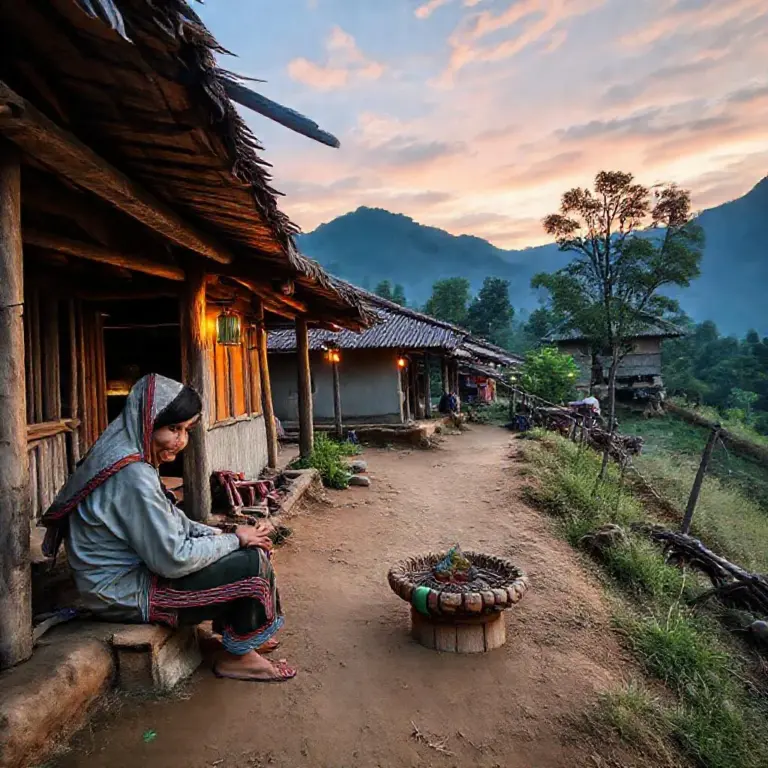
The true reward of **Community-Based Treks in Luang Namtha** lies in the overnight stay. Forget luxury resorts; this is an authentic plunge into traditional living.
Accommodation and Hospitality
Homestays are typically managed by the village committee. You will sleep on simple mats on the floor of a designated guest area within a family home. Expect communal bathing (often outdoors or in a simple washing area) and shared meals. This proximity fosters genuine interaction.
Here is a look at what you might experience during your stay:
| Activity | Cultural Insight |
|---|---|
| Traditional Cooking | Learning to use local herbs and cooking over an open fire. |
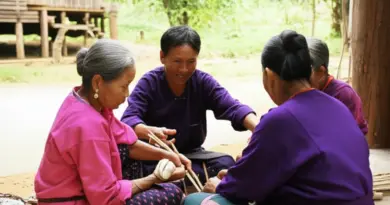
| Weaving/Dyeing | Observing the intricate patterns of Lanten indigo dyeing. |
| Morning Mist Walk | Accompanying villagers to the fields or forest for foraging. |
| Storytelling | Sharing language and life experiences through your guide as interpreter. |
The Role of the Local Guide
Your guide is the crucial bridge between your world and theirs. Ensure your tour operator uses certified local guides who are fluent in the local dialect and trained in first aid and responsible guiding practices. They manage logistics, interpret cultural nuances, and ensure fair economic distribution.
To maintain the integrity of these treks, travelers must adhere to specific guidelines that uphold the principles of ecotourism and cultural respect.
Booking and Pricing Transparency
Always confirm that your booking explicitly states it is a ‘Community-Based’ or ‘Ecotourism’ tour managed by the Luang Namtha Provincial Tourism Department or a recognized partner. Prices are generally inclusive of food, guide fees, village contributions, and basic accommodation. Avoid haggling aggressively, as the established price already incorporates a fair wage for the community.
Cultural Etiquette: Dos and Don’ts
Showing respect goes a long way in building positive relationships. Here are key points:
- Ask Permission: Always ask your guide before taking close-up photos of individuals, especially elders or children.
- Dress Modestly: Cover shoulders and knees when inside village homes or entering sacred areas.
- Gift Giving: If you bring gifts, present them respectfully to the head of the household or village elder, not directly to children.
- Noise Level: Keep voices low, particularly in the evening. Loud behavior is disruptive to traditional routines.
For a visual glimpse into the stunning landscapes surrounding these treks, watch this overview of the region:
To help locate the starting point for these adventures, here is the general area:
Beyond the Trek: Sustaining the Future
The success of these programs depends on continued mindful participation. By choosing official CBT operators, you ensure that the revenue stream remains consistent, providing alternatives to environmentally damaging activities like logging or intensive agriculture. Supporting these treks is a direct investment in keeping the traditions and natural beauty of Luang Namtha intact for future generations.
When you return from your journey, you will carry more than just memories; you will carry the understanding of a unique way of life preserved through responsible tourism.
คำถามที่พบบ่อย (FAQ)
References
- Why Choose Community-Based Treks in Luang Namtha? Benefits, Cultural Immersion, and Sustainable Tourism
- How to Plan Your Ethnic Village Stay: Best Seasons, Permits, Local Guides, and Responsible Tour Operators
- What to Expect on the Trek: Typical Routes, Daily Itineraries, Accommodation Types, and Interaction with Khmu, Akha, and Lanten Communities