Responsible Elephant Encounters in Laos: Why Sanctuaries Matter and How to Visit Ethically
Laos was once known as ‘Lan Xang’—the Land of a Million Elephants. Today, the majestic Asian elephant faces critical threats from habitat loss and a history of exploitation in the logging and unethical tourism industries. For travelers seeking Responsible Elephant Encounters in Laos, understanding the transition from labor to conservation is vital. By choosing ethical sanctuaries, you aren’t just taking a tour; you are contributing to the survival of a species and supporting local communities that prioritize animal welfare over profit.
The Shift from Logging to Conservation
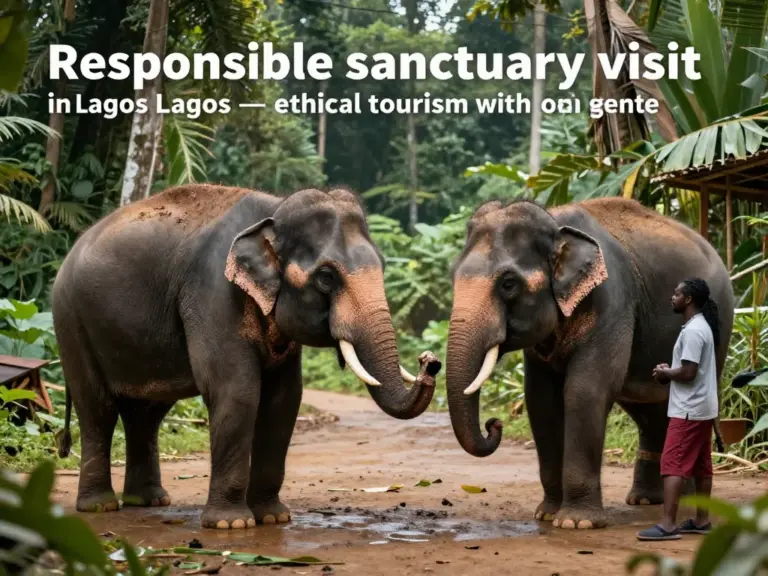
For decades, elephants in Laos were primarily used in the logging industry, performing grueling physical labor. When logging was banned, many mahouts (elephant keepers) were left with no income, leading them to enter the tourism industry. Initially, this meant elephant riding and performances. However, global awareness has shifted toward Responsible Elephant Encounters in Laos. Modern sanctuaries now focus on ‘rewilding’ or providing a retirement home where elephants can exhibit natural behaviors like foraging, bathing in rivers, and socializing without being forced to carry heavy teak chairs on their backs.
Why Ethical Sanctuaries Matter
Ethical sanctuaries serve as more than just tourist attractions; they are centers for veterinary care and breeding programs. In Laos, the elephant population is aging. Without intervention and protected environments, the domestic population could disappear within decades. A responsible sanctuary ensures that:
- Elephants have freedom of movement.
- There is a high ratio of land per elephant.
- Mahouts are paid fair wages to care for their animals humanely.
- Educational programs teach visitors about the biology and plight of Asian elephants.
How to Identify an Ethical Sanctuary in Laos
When planning your visit, look for the following green flags. Organizations like the Mandalao Elephant Sanctuary in Luang Prabang or the Elephant Conservation Center in Sayaboury are industry leaders. They prioritize ‘walking with elephants’ rather than ‘riding’ them.
| Feature | Ethical Sanctuary | Unethical Attraction |
|---|---|---|
| Riding | Strictly Forbidden | Chairs (Howdahs) used |
| Interaction | Observation / Walking beside | Performing tricks / Painting |
| Tools | Positive Reinforcement | Bullhooks or chains |
| Environment | Natural Forest / River | Concrete floors / Small pens |
Top Recommended Locations
If you are staying in Luang Prabang, MandaLao offers an incredible non-riding experience through the jungle. For those willing to travel further, the Elephant Conservation Center (ECC) in Sayaboury provides a deep dive into biology and conservation, including a visit to the only elephant hospital in the country.
คำถามที่พบบ่อย (FAQ)
Q: Can I ride elephants in an ethical sanctuary?
A: No. Responsible elephant encounters in Laos strictly prohibit riding, as it causes long-term spinal damage and involves ‘breaking’ the animal’s spirit.
Q: Is bathing with elephants ethical?
A: Many leading experts now suggest that even bathing can be stressful for elephants if they are forced to do it with dozens of tourists. Observation from the riverbank is the most ethical approach.
Q: Where can I find the best ethical sanctuaries in Laos?
A: The most reputable ones are located near Luang Prabang (MandaLao) and in the Sayaboury province (Elephant Conservation Center).
Q: Does my visit actually help the elephants?
A: Yes. Your entrance fees go directly toward the high cost of food (an elephant eats 200kg a day), veterinary care, and land lease for their habitat.
References
World Animal Protection – Wildlife Not Entertainers
Elephant Conservation Center Laos Official Site
MandaLao Elephant Sanctuary Luang Prabang
- What makes elephant shows harmful and why sanctuaries are a better alternative for responsible tourism in Laos
- How to identify legitimate elephant sanctuaries in Laos: certifications, rescue stories, and red flags to avoid exploitation
- What to expect at an ethical elephant sanctuary: visitor activities, animal welfare standards, and guidelines for respectful interactions