How to Prepare for The Gibbon Experience: Booking, Packing, Physical Requirements, and Cost Breakdown
Deep within the lush canopy of the Bokeo Nature Reserve in Northern Laos lies one of the world’s most unique eco-adventures: The Gibbon Experience. Known for having some of the highest treehouses on the planet and miles of exhilarating zip-lines, this project is more than just a tourist attraction—it is a conservation effort aimed at protecting the forest and its elusive inhabitants. However, this is not a luxury resort stay; it is a rugged, immersive jungle experience. Knowing how to prepare for The Gibbon Experience is essential to ensure your trip is memorable for the right reasons. From navigating the booking process to understanding the physical demands of the jungle, this guide provides everything you need to know.
Understanding the Booking Options
Before you book, you must choose which “tour” suits your preferences. There are currently three main options available, each offering a different level of trekking and zip-lining intensity. The Classic Tour is the most popular, focusing on a relaxed pace with a high chance of seeing gibbons. The Waterfall Tour involves more intensive hiking and leads to a stunning waterfall deep in the forest. For those short on time, the Express Tour offers a 2-day, 1-night glimpse into the canopy. You can book directly through their official website or at their office in Huay Xai. Ensure you receive a confirmation email, as this is your golden ticket into the Nam Kan National Park.
Physical Requirements and Safety
When considering how to prepare for The Gibbon Experience, your physical fitness is a key factor. While you don’t need to be an Olympic athlete, you should be comfortable walking on steep, slippery, and uneven terrain for several hours a day. The humidity in the Lao jungle can be taxing, and the climbs to reach the zip-line platforms are often vertical. Safety is taken seriously; guides provide a thorough briefing on how to use the harness and the wooden brake. It is vital to follow these instructions strictly to avoid injury while flying 50 meters above the forest floor.
The Ultimate Packing List
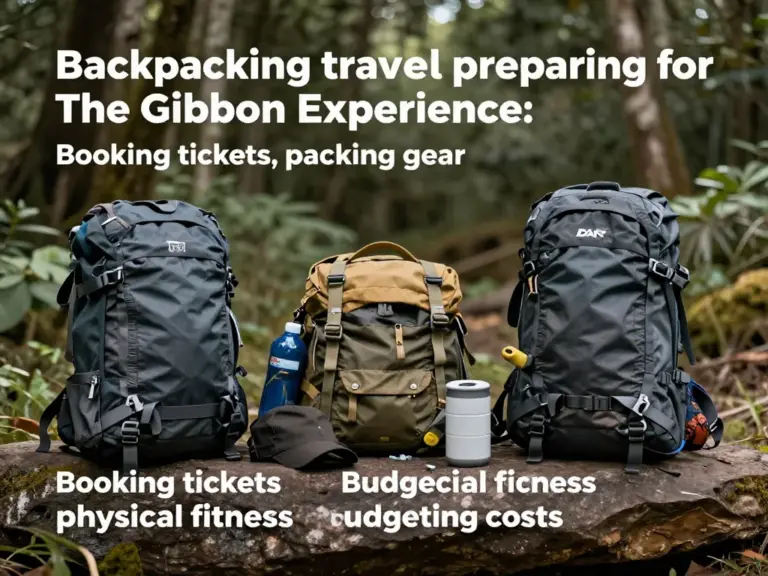
Packing light is the golden rule. You will be carrying your own bag through the jungle, so every gram counts. Here is a breakdown of the essentials:
- Footwear: High-quality hiking boots or trail shoes with excellent grip are non-negotiable.
- Clothing: Lightweight, moisture-wicking clothes. Long pants and long sleeves help protect against leeches and mosquitoes.
- Insect Repellent: Deep-woods strength DEET is recommended.
- Personal Hygiene: Biodegradable soap, a small towel, and basic toiletries. Remember, water in the treehouses is limited and cold.
- Flashlight/Headlamp: Essential for navigating the treehouse after sunset.
Cost Breakdown: What to Expect
The Gibbon Experience is one of the more expensive activities in Laos, but the funds go directly toward forest conservation and providing fair wages to local staff. As of 2024, the prices are approximately as follows:
| Tour Type | Duration | Approx. Cost (USD) |
|---|---|---|
| Classic Tour | 3 Days / 2 Nights | $310 – $340 |
| Waterfall Tour | 3 Days / 2 Nights | $310 – $340 |
| Express Tour | 2 Days / 1 Night | $190 – $210 |
These costs typically include transportation from Huay Xai to the forest, all meals, drinking water, trekking guides, and the use of the zip-line equipment. It does not include tips for guides or personal snacks you might want to bring from town.
Getting to Huay Xai
Huay Xai is the gateway to the experience. Most travelers arrive via the slow boat from Luang Prabang (a 2-day journey) or cross the border from Chiang Khong, Thailand. There are also domestic flights from Vientiane to the Houayxay Airport. We recommend arriving in Huay Xai at least one day before your tour starts to check in at the office and attend the mandatory pre-departure briefing.
คำถามที่พบบ่อย (FAQ)
What is the best time of year for The Gibbon Experience?
The best time is during the dry season (November to February) when the weather is cooler and the trails are less muddy. However, the rainy season (June to October) offers a more vibrant, lush jungle landscape.
Are there leeches?
Yes, especially during the rainy season. Wearing long socks and using insect repellent can help prevent them from attaching to your skin.
Can children participate?
Children are welcome, but there are age and height restrictions for safety reasons (usually 8 years and older). Parents should assess their child’s physical ability to handle long hikes.
Is there electricity in the treehouses?
Electricity is very limited. Some treehouses may have small solar-powered lights, but you should not expect to charge your devices. Bring a fully charged power bank.
References
- The Gibbon Experience: A Unique Treetop Adventure in the Bokeo Nature Reserve — Complete Guide for Planning, Safety, and Conservation Impact
- What to Expect on The Gibbon Experience: Routes, Zipline Camps, Duration, and Real Visitor Experiences
- Safety, Conservation, and Ethical Considerations: Wildlife Encounters, Local Community Benefits, and Responsible Tourism Tips