Ethical Elephant Sanctuaries in Laos: Where to See and Support Rescued Elephants
Laos, often referred to as the ‘Land of a Million Elephants,’ is a country rich in natural beauty and cultural heritage. However, its majestic elephants have faced significant challenges due to logging, tourism exploitation, and habitat loss. For conscious travelers planning their Laos tourism adventure, supporting ethical elephant sanctuaries offers a unique opportunity to interact with these gentle giants responsibly. These sanctuaries prioritize the welfare of their rescued elephants, providing them with a safe haven and promoting conservation. Finding truly Ethical Elephant Sanctuaries in Laos is crucial for ensuring your visit contributes positively to their well-being.
The Importance of Ethical Elephant Tourism in Laos
The historical bond between the Lao people and elephants runs deep, yet the modern era has brought new threats. Traditional practices, coupled with the demands of the tourism industry, have often led to conditions detrimental to elephant health and natural behavior. Ethical tourism aims to reverse this trend, focusing on rehabilitation, conservation, and education rather than exploitation.
Understanding the Plight of Elephants in Southeast Asia
Asian elephants are an endangered species, facing threats from all angles. In Laos, decades of logging have decimated their natural habitats, forcing many into human-elephant conflict or into the tourism industry where they are often subjected to harsh training methods and unnatural activities like riding. This has led to severe physical and psychological trauma for many elephants. The demand for elephant-based tourism, while seemingly benign, can inadvertently perpetuate these harmful practices if not carefully chosen.
What Makes a Sanctuary “Ethical”?
An ethical elephant sanctuary prioritizes the welfare of the elephants above all else. Key indicators of a truly ethical establishment include:
- No Riding: This is the most fundamental rule. Elephant spines are not designed for carrying weight, and the training involved in making them accept riders is often brutal.
- No Performances or Tricks: Elephants performing tricks indicates unnatural and often cruel training methods.
- Natural Behavior: Elephants should be allowed to roam, forage, and socialize naturally. Visitors observe from a respectful distance.
- Rescue and Rehabilitation: The primary goal should be the rescue and rehabilitation of abused or neglected elephants.
- Education and Conservation: Ethical sanctuaries educate visitors about elephant welfare and actively engage in conservation efforts.
- Mahout Welfare: Ethical treatment extends to the mahouts (elephant caretakers), ensuring fair wages and working conditions.
Top Ethical Elephant Sanctuaries in Laos
When planning your visit, consider these highly-regarded sanctuaries that exemplify ethical practices and offer meaningful experiences for visitors engaged in Laos tourism.
Elephant Conservation Center (ECC)
Located near Sayaboury, the Elephant Conservation Center is a leading institution dedicated to the protection and rehabilitation of Asian elephants. It’s renowned for its comprehensive approach to conservation, including a hospital, a nursery, and a breeding program. Visitors can observe elephants in a semi-wild environment, learn about their individual stories, and understand the intricacies of elephant care and conservation. ECC offers multi-day programs that provide deep insights into the lives of these magnificent animals without compromising their welfare.
Location Highlight: Sayaboury
Sayaboury province is known for having the largest elephant population in Laos. The ECC’s location here is strategic for its conservation efforts.
MandaLao Elephant Conservation
Situated just outside Luang Prabang, MandaLao is celebrated for its commitment to a ‘no riding’ policy and its focus on positive reinforcement training. They offer unique experiences like ‘Therapeutic Trekking,’ where visitors walk alongside elephants through lush jungle, observing their natural foraging and social behaviors. The emphasis is on gentle, respectful interaction, providing a serene and educational experience that truly benefits the elephants. MandaLao is an excellent example of Ethical Elephant Sanctuaries in Laos that prioritize the animals’ freedom and well-being.
Elephant Village Sanctuary & Resort
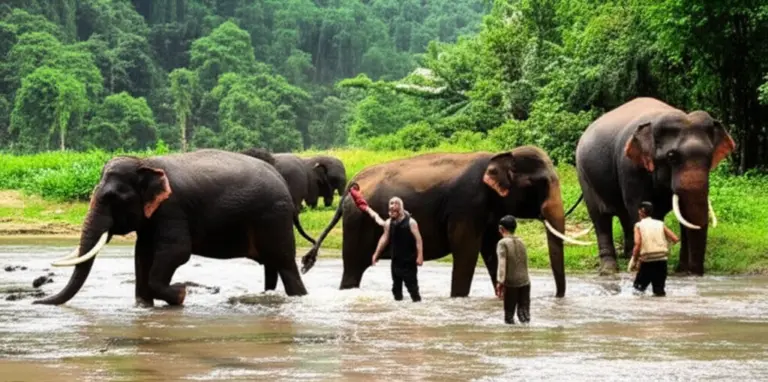
Also located near Luang Prabang, Elephant Village has transitioned significantly towards more ethical practices. While historically offering riding, they have progressively moved towards a ‘no riding’ model, focusing on elephant rescue, rehabilitation, and providing a safe home. They offer programs where visitors can learn about elephant care, help with feeding, and observe them bathing in the river. It’s important to verify their current policies to ensure they align with strict ethical guidelines before your visit.
Other Emerging Ethical Initiatives
Beyond these well-established names, several smaller projects and initiatives are emerging across Laos, striving to offer ethical elephant encounters. Always conduct thorough research and check recent reviews to ensure any facility you consider adheres to the highest standards of animal welfare. Look for transparency in their operations and clear statements regarding their ‘no riding’ and ‘no performance’ policies.
How to Choose and Support an Ethical Sanctuary
Your choices as a tourist have a direct impact on the lives of elephants. By selecting truly ethical venues, you contribute to their welfare and encourage other establishments to adopt humane practices. This is a vital aspect of responsible Laos tourism.
Red Flags to Avoid
- Facilities offering elephant riding.
- Elephants performing tricks or painting.
- Elephants chained for extended periods or in small enclosures.
- Aggressive or intimidating behavior from mahouts.
- Lack of transparency about their funding or elephant acquisition.
Your Role as a Responsible Tourist
Beyond choosing ethical sanctuaries, you can support elephant welfare by:
- Making direct donations to reputable conservation organizations.
- Spreading awareness about ethical elephant tourism.
- Providing positive reviews for ethical sanctuaries and constructive feedback for those needing improvement.
- Educating yourself and others about elephant behavior and conservation.
Planning Your Visit: Tips and Considerations
Before embarking on your ethical elephant adventure, consider these practical tips:
- Book in Advance: Popular ethical sanctuaries often have limited group sizes to ensure minimal disturbance to the elephants.
- Dress Appropriately: Wear comfortable clothes suitable for warm, humid weather and walking. Long sleeves and pants can protect from sun and insects.
- Stay Hydrated: Carry plenty of water, especially during treks.
- Photography Etiquette: Always follow your guide’s instructions regarding photography to avoid startling the elephants. Avoid flash photography.
- Insect Repellent: Essential for jungle environments.
Visiting Ethical Elephant Sanctuaries in Laos offers a profound and memorable experience, allowing you to witness the beauty and intelligence of these animals while actively contributing to their conservation and welfare. By making informed and responsible choices, you play a vital role in securing a brighter future for Laos’s elephants.
คำถามที่พบบ่อย (FAQ)
References
- Elephant Conservation Center Official Website
- MandaLao Elephant Conservation Official Website
- World Animal Protection – Elephants in Tourism
- Why Choose Ethical Elephant Sanctuaries in Laos? — Understanding rescue, rehabilitation, and ethical tourism principles for compassionate travelers
- Top Ethical Sanctuaries to Visit in Laos — Profiles, locations, visitor experiences, conservation focus, and admission policies
- How to Plan a Responsible Visit — Booking tips, what to expect (no rides, feeding/observation rules), best times to go, and local transport options