Why Choose Ethical Elephant Sanctuaries in Laos? — Understanding rescue, rehabilitation, and ethical tourism principles for compassionate travelers
- Why Choose Ethical Elephant Sanctuaries in Laos? — Understanding rescue, rehabilitation, and ethical tourism principles for compassionate travelers
- The Plight of Elephants in Traditional Tourism
- What Defines an Ethical Elephant Sanctuary in Laos?
- Understanding Ethical Tourism Principles
- Why Laos is a Growing Hub for Ethical Elephant Tourism
- How to Choose the Right Sanctuary
- Your Role as a Compassionate Traveler
- คำถามที่พบบ่อย (FAQ)
- What is the primary difference between an ethical elephant sanctuary and a traditional elephant camp?
- Can I still interact with elephants at an ethical sanctuary?
- How does choosing an ethical sanctuary benefit local communities in Laos?
- What should I look out for to avoid unethical elephant tourism operations?
For the discerning traveler, the allure of encountering majestic elephants in their natural habitat is undeniable. However, the rise of irresponsible tourism practices has cast a long shadow over these interactions. In Southeast Asia, particularly in countries like Laos, the question of how to engage with these magnificent creatures ethically has become paramount. This article delves into why choosing Ethical Elephant Sanctuaries in Laos is not just a travel choice, but a commitment to rescue, rehabilitation, and the principles of ethical tourism for truly compassionate travelers. It’s about ensuring your visit contributes positively to the well-being of elephants and the local communities that protect them.
The Plight of Elephants in Traditional Tourism
Historically, elephants in Laos, once known as the ‘Land of a Million Elephants,’ have been integral to the nation’s culture and economy. However, this close relationship has often come at a severe cost. The traditional logging industry and, more recently, the tourism sector, have subjected these intelligent and sensitive animals to immense suffering. Elephant riding, circus-like performances, and other forms of direct human interaction often involve brutal training methods, known as ‘phajaan’ or ‘crushing,’ designed to break an elephant’s spirit and make it submissive.
The Dark Side of Elephant Riding
Many tourists, unaware of the hidden cruelty, partake in elephant riding, believing it to be a harmless activity. However, an elephant’s spine is not designed to carry heavy loads on its back for extended periods, leading to permanent damage and chronic pain. Beyond the physical toll, the psychological trauma inflicted during their training and subsequent captivity is profound. Elephants are social creatures, and isolation or forced interaction with humans can lead to severe stress, anxiety, and even aggression. Recognizing these grim realities is the first step towards making a compassionate choice.
The Importance of Rescue and Rehabilitation
Ethical elephant sanctuaries are often the last hope for elephants rescued from these cruel industries. These facilities provide a safe haven where elephants can recover, physically and psychologically. Rehabilitation involves providing proper nutrition, veterinary care, and a natural environment where elephants can roam, socialize with other elephants, and exhibit natural behaviors free from human exploitation. It’s a long and often challenging process, but one that offers these magnificent animals a chance at a life free from suffering.
What Defines an Ethical Elephant Sanctuary in Laos?
Distinguishing a truly ethical sanctuary from a commercial venture masquerading as one is vital. Ethical Ethical Elephant Sanctuaries in Laos prioritize the elephants’ well-being above all else. They are not entertainment venues but rather conservation and welfare centers. Here are the core principles:
A Focus on Elephant Welfare
The primary concern of an ethical sanctuary is the physical and mental health of its resident elephants. This means providing spacious, natural enclosures that mimic their wild habitat, access to clean water, ample food, and expert veterinary care. Elephants are allowed to behave naturally, foraging, dust bathing, and interacting with their herd without human interference.
No Riding, No Performance
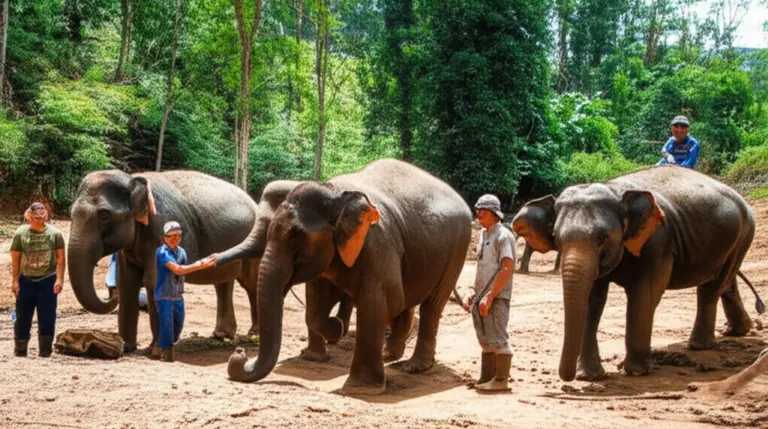
A non-negotiable principle of an ethical sanctuary is the complete absence of elephant riding, tricks, or performances. Any facility offering these activities is not truly ethical, regardless of their claims. Instead, visitors observe elephants from a respectful distance, witnessing their natural behaviors. This might include watching them bathe, play, or simply wander through their sanctuary home.
Education and Conservation
Ethical sanctuaries play a crucial role in educating the public about elephant welfare, the dangers of unethical tourism, and the importance of conservation. They often engage in research, breeding programs for endangered Asian elephants, and community outreach to promote sustainable practices. Your visit becomes an educational experience, fostering a deeper understanding and appreciation for these incredible animals.
Understanding Ethical Tourism Principles
Ethical tourism extends beyond just animal welfare. It encompasses a broader commitment to minimizing negative impacts while maximizing positive ones on the environment, local communities, and cultural heritage. When choosing Ethical Elephant Sanctuaries in Laos, you are inherently supporting these principles.
Supporting Local Communities
Many ethical sanctuaries employ local staff, provide fair wages, and support local businesses. This creates a sustainable economic model that benefits the people living near the sanctuaries, offering alternatives to exploitative practices. It ensures that tourism revenue directly contributes to the well-being of the region.
Minimizing Environmental Impact
Responsible tourism operators, including ethical elephant sanctuaries, often implement eco-friendly practices such as waste reduction, water conservation, and the use of renewable energy. They strive to protect the natural environment that provides habitat for elephants and other wildlife.
Promoting Responsible Traveler Behavior
Ethical tourism encourages visitors to be mindful of their actions, respect local customs, and leave no trace. It’s about being a guest in a foreign land, not just a consumer of experiences. This mindset fosters a more meaningful and positive travel experience for everyone involved.
Why Laos is a Growing Hub for Ethical Elephant Tourism
Laos, despite its challenges, is emerging as a significant destination for ethical elephant tourism. The country’s rich natural landscapes and the historical presence of elephants make it an ideal location for sanctuaries dedicated to their welfare and conservation. Organizations within Laos are working tirelessly to shift the paradigm from exploitation to genuine care.
A History of Elephants in Laos
The elephant holds deep cultural and historical significance in Laos, once symbolized by the ancient kingdom of Lan Xang, meaning ‘Land of a Million Elephants.’ While the wild elephant population has drastically declined, this heritage fuels a growing movement to protect and restore their numbers through ethical means.
Emerging Ethical Initiatives
Several reputable ethical elephant sanctuaries have been established in Laos, particularly around areas like Luang Prabang. These centers are leading the way in providing genuine care for rescued elephants, offering sustainable employment to local communities, and educating visitors on responsible wildlife tourism. Their success depends on the support of compassionate travelers who choose ethical experiences.
How to Choose the Right Sanctuary
With the increasing popularity of ethical tourism, it’s essential to do your due diligence. Not all ‘sanctuaries’ are created equal. Here’s how to ensure you’re supporting a genuinely ethical facility:
Key Questions to Ask
- Do they allow elephant riding or performances? (Answer should be NO)
- What is their elephant-to-staff ratio?
- Where do their elephants come from, and what is their rescue story?
- How much free-roaming space do the elephants have?
- Do they have veterinary staff or access to one?
- Are they transparent about their finances and operations?
Researching Reputable Sanctuaries
Look for sanctuaries endorsed by reputable animal welfare organizations. Read reviews from other travelers, paying close attention to comments about elephant welfare rather than just tourist experience. Websites and social media often provide clues about a sanctuary’s practices. A truly ethical sanctuary will be proud to share their mission and methods.
Watch a Glimpse of Ethical Elephant Interaction!
See what a truly ethical experience looks like. This video showcases hiking with elephants at a reputable sanctuary in Laos, emphasizing respectful observation and natural behavior.
Your Role as a Compassionate Traveler
Choosing an ethical elephant sanctuary in Laos is more than just selecting an activity for your itinerary; it’s an act of compassion and responsibility. By supporting these vital organizations, you contribute directly to the rescue and rehabilitation of elephants, the promotion of sustainable tourism, and the education of future generations. Your travel choices have power. Use that power to make a difference, ensuring that the ‘Land of a Million Elephants’ can one day live up to its name once more, with healthy, happy elephants thriving in their rightful place.
คำถามที่พบบ่อย (FAQ)
The primary difference lies in their approach to elephant welfare. Ethical sanctuaries prioritize the elephants’ physical and psychological well-being, focusing on rescue, rehabilitation, and providing a natural, free-roaming environment without riding, performances, or forced interactions. Traditional camps often exploit elephants for human entertainment, involving cruel training methods and activities like riding that are detrimental to the elephants’ health.
Interaction at ethical sanctuaries is typically limited to observation from a respectful distance. Some may offer opportunities for supervised feeding or bathing, but these are always on the elephant’s terms and designed to be beneficial for the animal, not for human entertainment. The focus is on allowing elephants to exhibit natural behaviors.
Ethical sanctuaries often provide sustainable employment opportunities for local people, including former mahouts who are retrained to care for elephants humanely. They may also source food and supplies locally, contributing to the local economy and empowering communities to protect their natural heritage rather than exploit it.
Be wary of any operation that offers elephant riding, bathing with elephants (especially in large groups), performances, or opportunities for close physical contact that seems unnatural. Look for transparency in their operations, clear policies on animal welfare, and positive reviews from sources focused on ethical tourism. If it feels too much like a circus or a theme park ride, it’s likely not ethical.
References
- Ethical Elephant Sanctuaries in Laos: Where to See and Support Rescued Elephants
- Top Ethical Sanctuaries to Visit in Laos — Profiles, locations, visitor experiences, conservation focus, and admission policies
- How to Plan a Responsible Visit — Booking tips, what to expect (no rides, feeding/observation rules), best times to go, and local transport options