Why the Bolaven Plateau Is a Mountain Biker’s Dream: Terrain, Climate, and Best Times to Ride
Nestled high above the Mekong River in Southern Laos, the Bolaven Plateau is often lauded for its world-class coffee and cascading waterfalls. However, for the discerning adventure traveler, this vast, elevated region offers something far more thrilling: an epic landscape tailor-made for two-wheeled exploration. If you seek raw, untamed trails interwoven with authentic cultural stops, then Bolaven Plateau mountain biking should rocket to the top of your bucket list. This guide explores why this Laotian gem is rapidly becoming recognized as a premier destination for off-road cyclists.
The Terrain: A Cyclist’s Playground
The geography of the Bolaven Plateau is the foundation of its appeal. Spreading across Champasak, Salavan, and Sekong provinces, the plateau sits at an average elevation of 1,000 meters, offering a dramatic contrast to the flat plains surrounding the Mekong. This altitude is crucial, providing cooler air and varied topography that challenges even seasoned riders.
Volcanic Soil and Rolling Hills
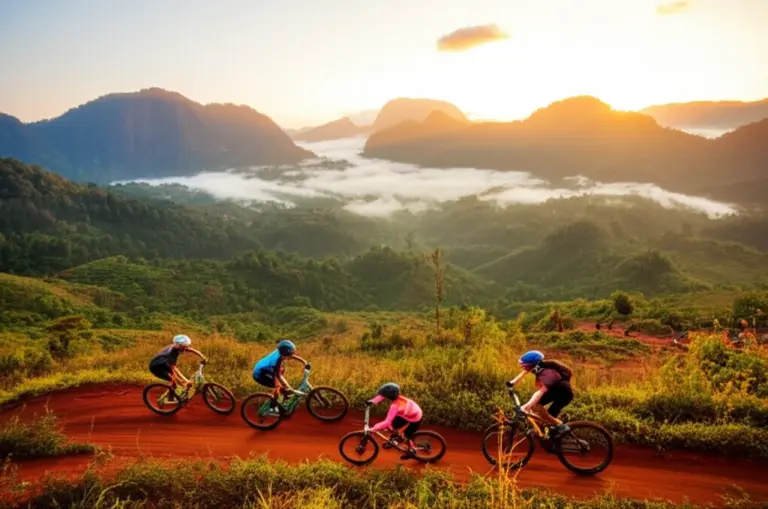
The plateau was formed by ancient volcanic activity, leaving behind rich, dark, highly fertile soil. For mountain bikers, this translates into a dynamic surface. While the main paved routes (the famous Bolaven Loop) are smooth, veering onto the smaller tracks reveals the true character of the land. You’ll encounter everything from hard-packed dirt roads cutting through vast coffee plantations to loose, rocky sections that demand focus and technical skill. The constant undulation of the hills ensures your legs get a comprehensive workout, trading long, monotonous flat sections for rhythmic climbing and rewarding descents.
The Waterfall Network: Natural Obstacles and Rewards
Perhaps the most iconic feature of the plateau are its stunning waterfalls. These natural wonders are not just sights to behold; they often dictate the trail layout. Navigating the access roads to Tad Fane, Tad Yuang, or Tad Sae requires careful management of gradient and traction. Some tracks descend steeply into the valleys carved by these powerful water systems, offering exhilarating, though sometimes slippery, singletrack experiences. Reaching these remote cascades after hours of pedaling through jungle fringes provides an unparalleled sense of accomplishment.
Climate Control: When to Ride for Optimal Conditions
Timing your visit correctly is the single most important factor for enjoying Bolaven Plateau mountain biking. Laos has two distinct seasons, and the difference in riding conditions between them is stark.
The Dry Season Advantage (Best Time to Visit)
The ideal window for riding is during the cool, dry season, generally running from November through March. During these months, temperatures are significantly lower than the punishing heat of April and May, and rainfall is minimal. This means the volcanic soil is firm, providing excellent grip for climbing and fast, predictable descents. Visibility is high, making navigation easier, and the cooler air prevents overheating on the steeper climbs.
From May to October, the monsoon season transforms the plateau. While the landscape is lush and intensely green, the trails become a formidable challenge. Expect deep mud pits, swollen streams that require careful crossing, and trails that become dangerously slick. This period is only recommended for highly experienced riders equipped with robust tires, waterproof gear, and a strong sense of adventure—or those willing to hire experienced local guides who know the safe river crossings.
Beyond the Bike: Cultural Immersion on Two Wheels
What truly elevates the Bolaven Plateau experience above standard mountain biking destinations is the rich tapestry of life encountered between technical sections. This region is the heartland of Lao coffee production, offering unique opportunities for cultural exchange.
Cycling Through Coffee Plantations and Villages
Many of the smaller dirt tracks you follow are actually the service roads for countless coffee farms. Stopping at a local family-run plantation to sample some of the world’s best Arabica or Robusta, often roasted fresh right before your eyes, is a mandatory detour. Furthermore, the plateau is dotted with small ethnic minority villages. Riding slowly through these communities offers genuine, non-touristy interactions. Always remember local customs: dress respectfully, ask permission before taking photos, and support local enterprises where possible.
Essential Logistics and Gear for Laos Adventures
Proper preparation is key for self-supported tours on the plateau. While the main loop is relatively well-marked, distances between reliable fuel stops or guesthouses can be significant.
| Gear Requirement | Notes |
|---|---|
| Bike Type | Hardtail or Full Suspension MTB (27.5” or 29” wheels recommended). |
| Navigation | Offline maps (like Maps.me or Gaia GPS) are essential. GPS devices are highly advised. |
| Water & Food | Carry capacity for at least 3-4 liters; snacks are scarce outside major villages. |
| Repairs | Full multi-tool, tire levers, pump, and spare tubes. Bike shops are rare outside Pakse. |
Must-Ride Trails and Routes
While the classic Bolaven Loop covers about 200km and can be done in 3-5 days, dedicated mountain bikers often venture onto the secondary, unpaved trails that branch off the main circuit. These side trails lead to more isolated waterfalls and offer a truer sense of wilderness exploration.
To truly grasp the scale and beauty of the terrain you will conquer, watch this visual preview of the trails. This footage captures the mix of smooth cruising and technical challenges that define the experience.
When planning your route, always prioritize safety. The volcanic soil can be deceptive, and mobile service is intermittent. A reliable bike setup and respect for the environment ensure your adventure on the Bolaven Plateau remains dreamlike, not disastrous.
คำถามที่พบบ่อย (FAQ)
References
Official Laos Tourism Guide to the Bolaven Plateau
In-Depth Review of Southern Laos Trail Conditions
- Mountain Biking on the Bolaven Plateau: The Ultimate Waterfall-to-Waterfall Circuit Guide for Adventurers
- Planning Your Route: Detailed Waterfall-to-Waterfall Itinerary, Difficulty Levels, and Estimated Times
- What to Pack and Safety Tips for the Circuit: Gear, Navigation, Local Hazards, and Emergency Contacts