The Bolaven Plateau: The Ultimate Guide to Waterfalls, Routes, and Local Tips for Visitors
The Bolaven Plateau is a high-altitude region in Southern Laos, located primarily within Champasak Province. Famous for its cool climate, fertile soil, and breathtaking landscapes, it is widely considered the coffee capital of Southeast Asia. For travelers, it offers a refreshing escape from the tropical heat of the Mekong plains, presenting a world of thundering waterfalls, lush ethnic villages, and winding mountain roads perfect for adventure seekers.
Why Visit The Bolaven Plateau?
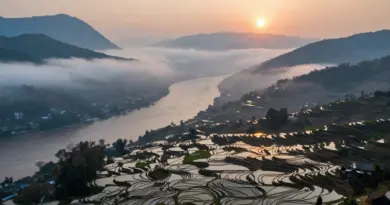
Elevated between 1,000 and 1,350 meters above sea level, the plateau offers a unique microclimate. While the rest of Laos might be sweltering, the Bolaven Plateau remains pleasantly cool. This geography has created some of the most spectacular waterfalls in the region, fueled by the various rivers cascading off the plateau’s edge. Beyond the scenery, the area is home to diverse ethnic groups such as the Laven (from whom the plateau gets its name), Alak, and Katu, offering deep cultural insights.
The Ultimate Waterfall Guide
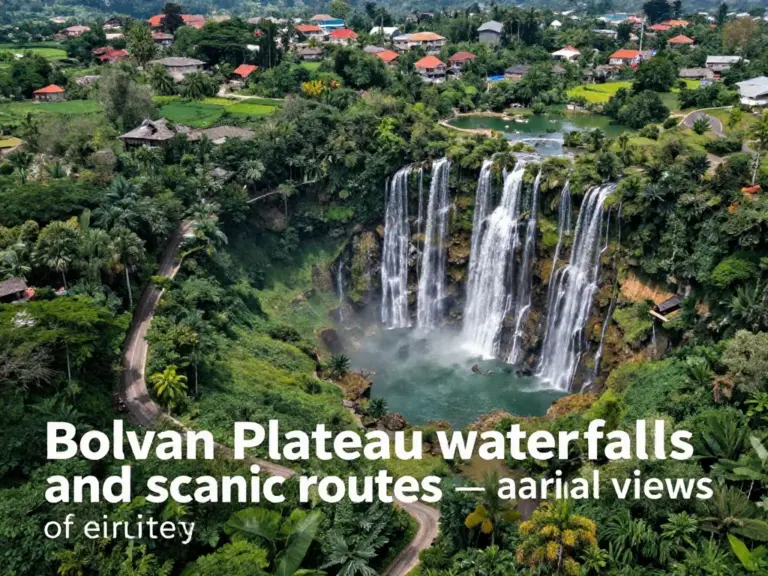
Waterfalls are the crown jewels of The Bolaven Plateau. Here are the must-visit spots that should be on every itinerary:
- Tad Fane: The tallest waterfall in Laos, featuring twin streams plunging over 100 meters into a deep gorge. For adrenaline junkies, you can take a zipline across the canyon.
- Tad Yuang: Located near Tad Fane, this wide, scenic fall is perfect for a picnic. It has well-maintained stairs leading to several viewpoints.
- Tad Lo: A collection of three waterfalls (Tad Hang, Tad Lo, and Tad Suong). It is a popular backpacker hub with plenty of affordable guesthouses.
- Tad Tayicsua: Often considered the ‘hidden gem,’ this site features seven different waterfalls accessible via hiking trails through dense jungle.
Choosing Your Route: The Small vs. Big Loop
Most visitors start their journey in Pakse. Depending on your schedule, you can choose between two main routes:
| Feature | Small Loop (2-3 Days) | Big Loop (4-5 Days) |
|---|---|---|
| Distance | ~160 km | ~320 km |
| Highlights | Tad Fane, Tad Yuang, Paksong, Tad Lo | All Small Loop stops + Sekong & Attapeu |
| Best For | Short trips, waterfall focus | Culture, remote villages, deeper exploration |
The Small Loop is the most common choice, focusing on the high concentration of waterfalls around Paksong and Tad Lo. The Big Loop takes you further east into Sekong Province, offering a more rugged experience with fewer tourists and more traditional village life.
The Coffee Culture of Paksong
No visit to The Bolaven Plateau is complete without diving into its coffee heritage. Introduced by the French in the early 20th century, coffee is now the lifeblood of the local economy. Paksong is known as the ‘Coffee Capital’. Visitors can take tours of organic farms, learn about the roasting process, and sample some of the finest Arabica and Robusta beans in the world. Look for local cooperatives like Jhai Coffee House or Mr. Vieng’s Coffee & Homestay for an authentic experience.
Local Tips for Visitors
To make the most of your trip, keep these tips in mind:
- Pack a Jacket: Even in the dry season, evenings on the plateau can be surprisingly chilly.
- Check Your Brakes: If renting a motorbike, ensure the brakes and tires are in top condition, as the mountain roads have steep descents.
- Rainy Season Beauty: Traveling during the monsoon (May to October) means the waterfalls are at their most powerful, but roads can be slippery.
- Respect Local Customs: When visiting ethnic villages, dress modestly and always ask for permission before taking photos of people.
คำถามที่พบบ่อย (FAQ)
Q1: What is the best time to visit the Bolaven Plateau?
A: The best time is during the cool, dry season from November to February. However, the waterfalls are most impressive during the rainy season (June to October).
Q2: Do I need a permit to ride the Bolaven Loop?
A: No special permit is required for tourists. However, you should have a valid international driving permit and ensure your passport is kept in a safe place (most rental shops will ask for it as a deposit).
Q3: Is the Bolaven Plateau safe for solo travelers?
A: Yes, it is generally very safe. The main risks are related to road safety and motorbike accidents. Always wear a helmet and drive cautiously.
Q4: Are there ATMs on the Bolaven Plateau?
A: There are ATMs in Pakse and Paksong. However, once you head into the more remote parts of the loop, cash is king. Carry enough Lao Kip for food, fuel, and guesthouses.