Best Eco-Friendly Resorts in Sekong for Conscious Travelers
Sekong, often referred to as the ‘land of waterfalls’ in southern Laos, offers an untouched paradise for those seeking an escape from the modern, fast-paced world. As tourism grows in this remote province, the demand for sustainable accommodation has risen. Finding the best eco-friendly resorts in Sekong allows travelers to experience the raw beauty of the Bolaven Plateau’s edge while ensuring their footprint remains minimal. This guide explores how to identify sustainable lodging in this region and what to expect when choosing accommodations that prioritize environmental conservation and community support.
eco-friendly resorts in Sekong: Understanding Eco-Tourism in Sekong
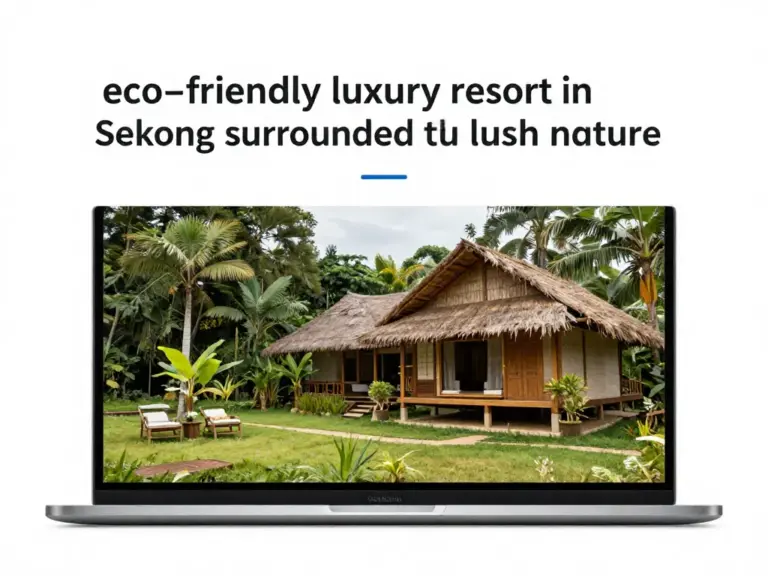
Eco-tourism in Sekong is distinct from mass tourism. It is rooted in the preservation of the province’s unique biodiversity, including its high concentration of waterfalls and ethnic minority cultures. When you search for eco-friendly lodging here, you are looking for establishments that integrate seamlessly into the landscape rather than dominating it. These resorts typically operate on a smaller scale, utilizing local materials for construction and employing members of the local communities.
For the conscious traveler, the goal is to find places that offer authentic experiences without compromising the environment. This often means choosing guesthouses or eco-lodges that rely on solar power, implement waste reduction strategies, and actively participate in local conservation efforts.
Key Features of Sustainable Accommodations
When evaluating potential stays in Sekong, it is helpful to know what qualifies a resort as ‘eco-friendly.’ While certification bodies exist globally, in remote areas like Sekong, transparency and operational practices are your best indicators. Look for these core pillars:
- Energy Efficiency: Reliance on solar panels or hydro-power, given the province’s abundance of water sources.
- Waste Management: Clear policies on plastic reduction, composting, and recycling, which are critical in regions with limited waste management infrastructure.
- Community Engagement: Hiring local staff, sourcing food from nearby farmers, and supporting local artisan crafts.
- Low-Impact Architecture: Using bamboo, wood, and stone sourced from the immediate vicinity to minimize transportation emissions and blend with the jungle environment.
Comparison of Accommodation Styles in Sekong
| Type | Eco-Impact | Best For |
|---|---|---|
| Eco-Lodges | High (Low impact design) | Nature enthusiasts and trekkers |
| Community Homestays | Highest (Direct benefit) | Cultural immersion seekers |
| Boutique Guesthouses | Medium (Modern amenities) | Travelers seeking comfort |
Practical Checklist for Conscious Travelers
Before booking your trip, use this checklist to ensure your accommodation aligns with your values. Remember, in remote areas, communication is key—don’t be afraid to email the property directly to ask about their sustainability policies.
- check Ask if they have a greywater treatment system in place.
- check Confirm if the resort uses single-use plastics for toiletries or water bottles.
- check Inquire about the source of their electricity (e.g., generator vs. renewable).
- check Check if they provide guided tours led by local community members.
- check Verify if they support local community development projects or schools.
The Importance of Respectful Tourism
Staying at eco-friendly resorts in Sekong is only one part of the equation. Your behavior as a guest is equally vital. Sekong is home to diverse ethnic groups, including the Katu and Alak peoples. Always seek permission before taking photographs of people or their homes. Respect the quiet nature of these rural environments by minimizing noise pollution, and ensure you pack out any non-biodegradable waste you bring into the province.
Conclusion
Sekong remains one of the most pristine corners of Laos. By choosing accommodations that respect the environment and the local culture, you are helping to ensure that this beauty remains intact for generations to come. While the infrastructure for tourism is still developing, the shift toward sustainable travel practices is an encouraging trend. Focus on properties that prioritize environmental stewardship, and you will find that your stay in Sekong is both comfortable and deeply rewarding.
Frequently Asked Questions (FAQ)
A: Sekong is a remote province, so luxury here is defined differently than in urban centers. Expect ‘rustic luxury’—comfortable, well-built lodges that offer privacy and nature access rather than high-end technological amenities.
A: Public transport, such as local buses from Pakse, is the most sustainable way to travel to Sekong. It reduces individual carbon emissions compared to private taxi hires.
A: Both have merits. Homestays provide the most direct economic benefit to families and offer deeper cultural insight, while eco-resorts may offer more privacy and structured environmental conservation programs. Choose based on your comfort level.